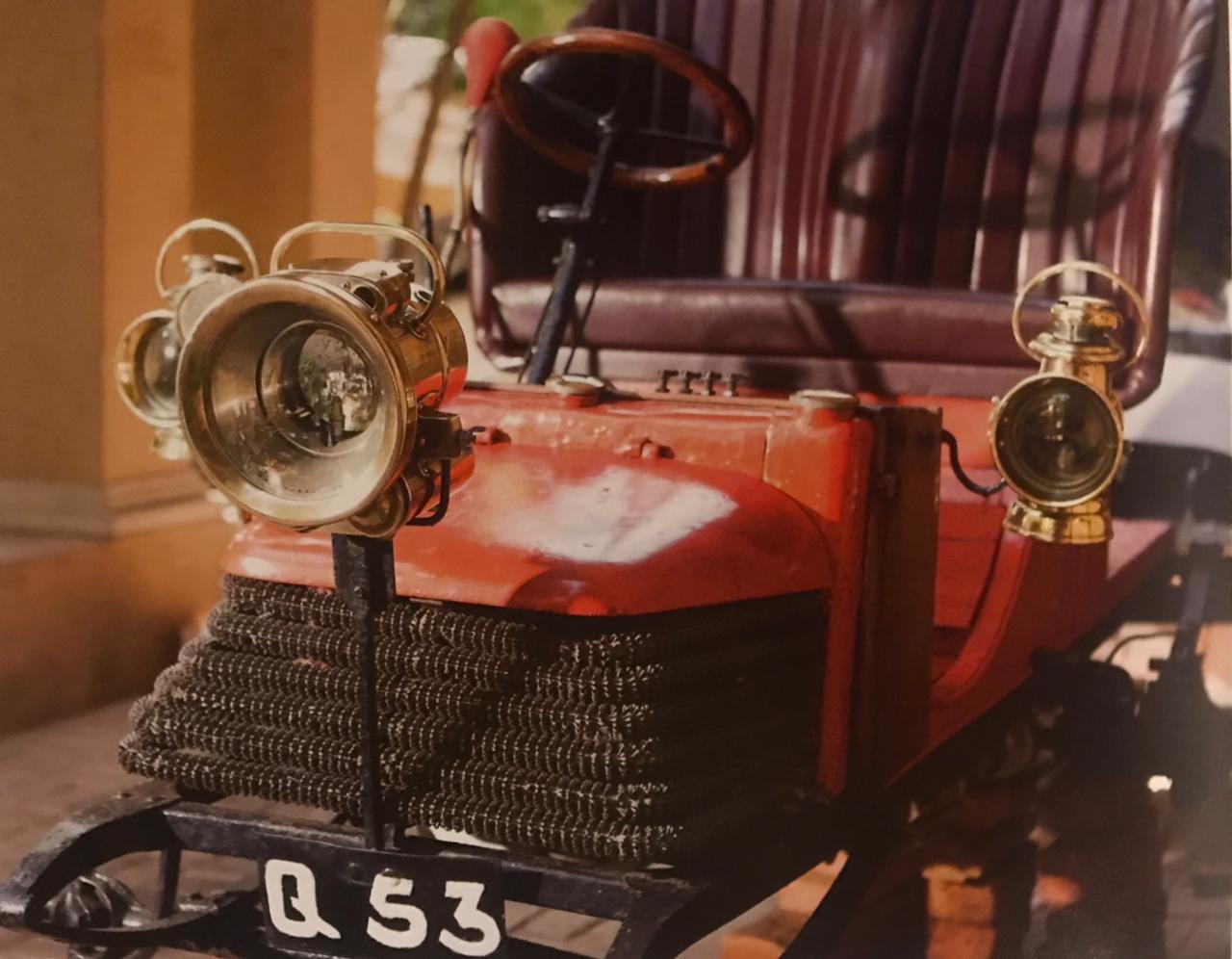
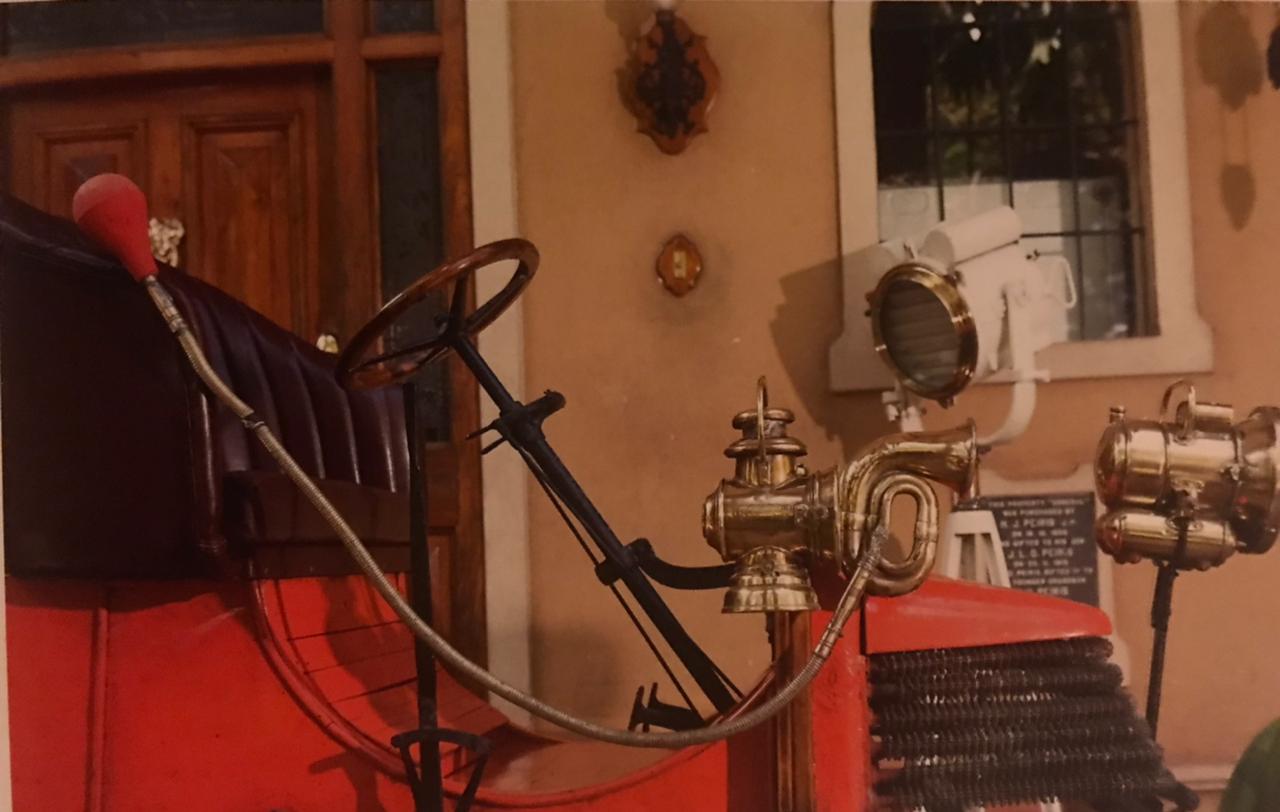
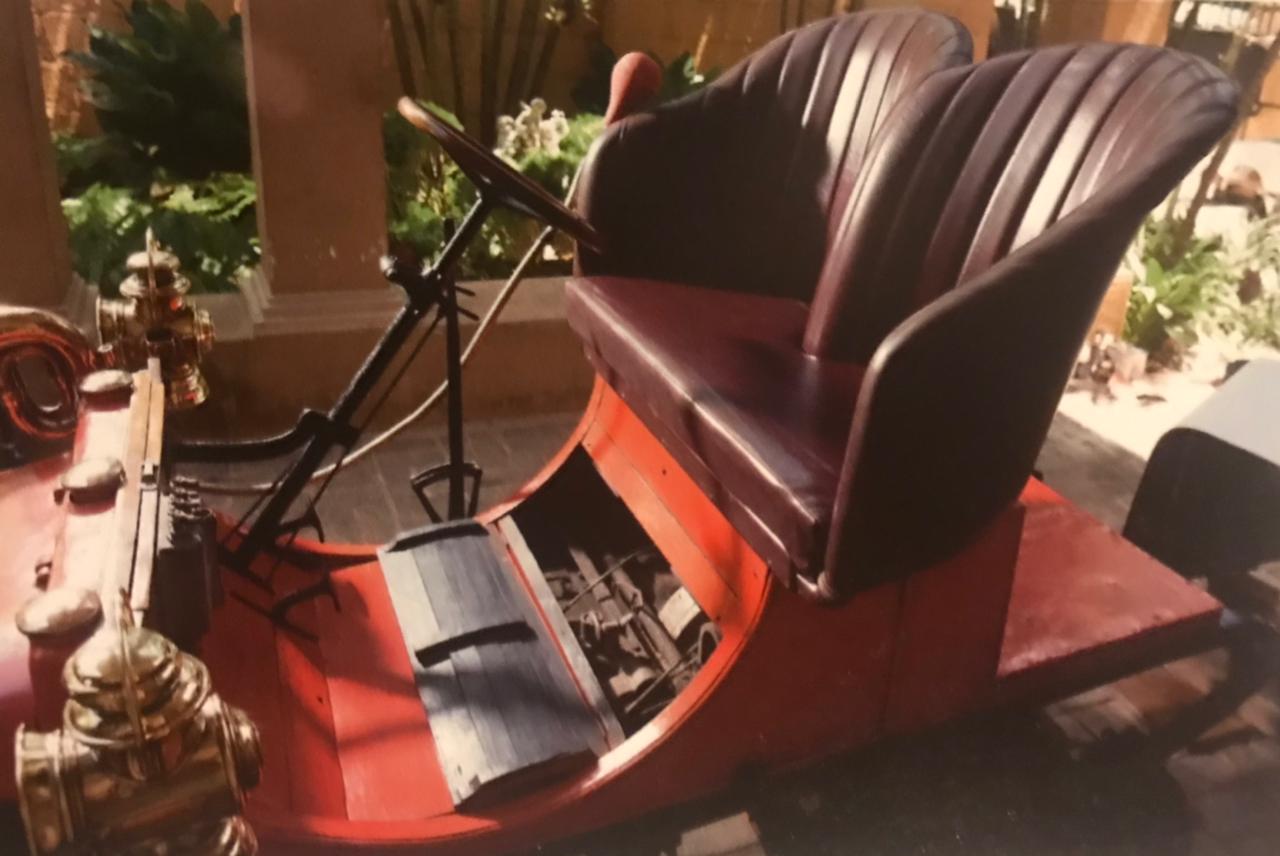
Frederick York Wolseley , an Irishman , went to Sydney , Australia in 1887 and founded the Wolseley Sheep Shearing Machine Company Ltd. He returned to Britain in 1889 and set up the business in Birmingham Herbert Austin , a manager of an engineering company in Australia , returned to Britain in 1893 and helped form the Wolseley Tool and Motor Car Company in 1901 under the auspices of Vickers Sons and Maxim Ltd and built Wolseley cars . When Austin left in 1906 Wolseley had become Britain's largest motor manufacturer . Following receivership in 1927 the company was bought by William Morris personally and later moved into his Morris Motors empire . After the Second World War its products were " badge engineered " and it went into BMC , BMH and British Leyland group companies where its name lapsed in 1975 . The featured car , a 1902/3 Wolseley Open 2 - Seater Tourer , was acquired by Mr. Hitakami Chitrupa Peiris from A.B. Nathaniel of Polgahawela who was its second owner . The car was in a poor state and it was completely restored within a year . The wooden wheels had deteriorated and were replaced with wire wheels . It won the prize for the oldest car at the 1955 ‘ Old Crocks Rally ' , running the full course from Galle Face , Colombo to Maharagama and back . The Wolseley , Registration No. Q - 53 is the oldest surviving motor car in Sri Lanka .
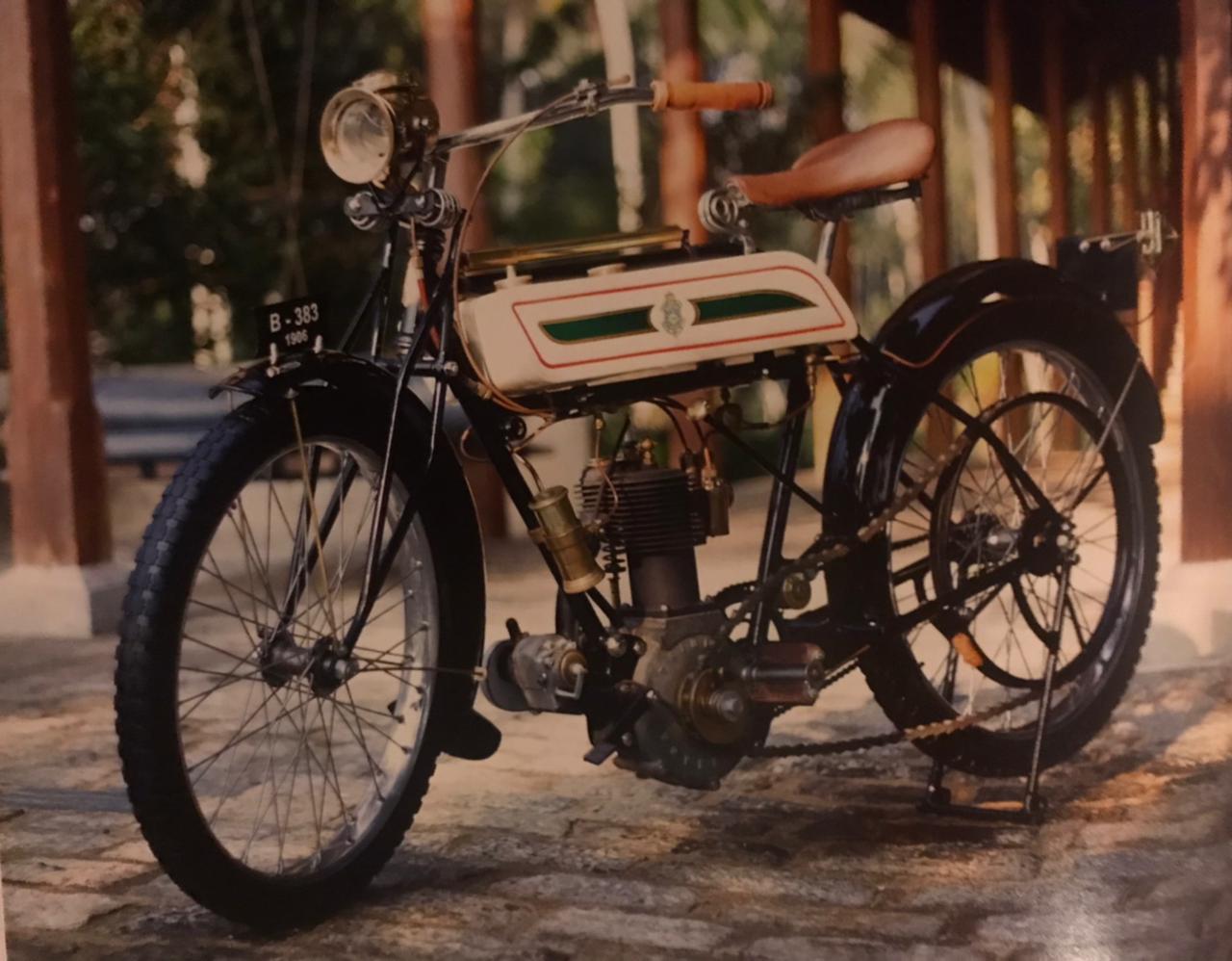
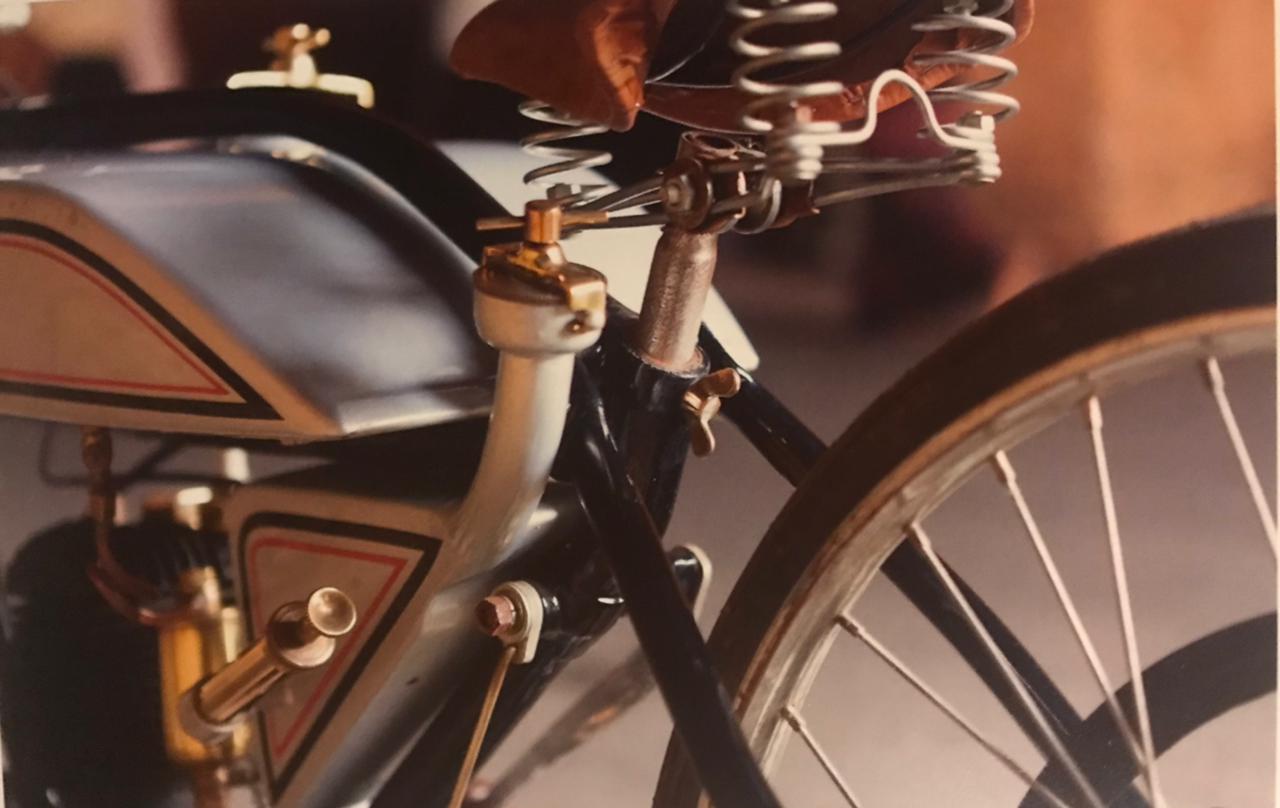
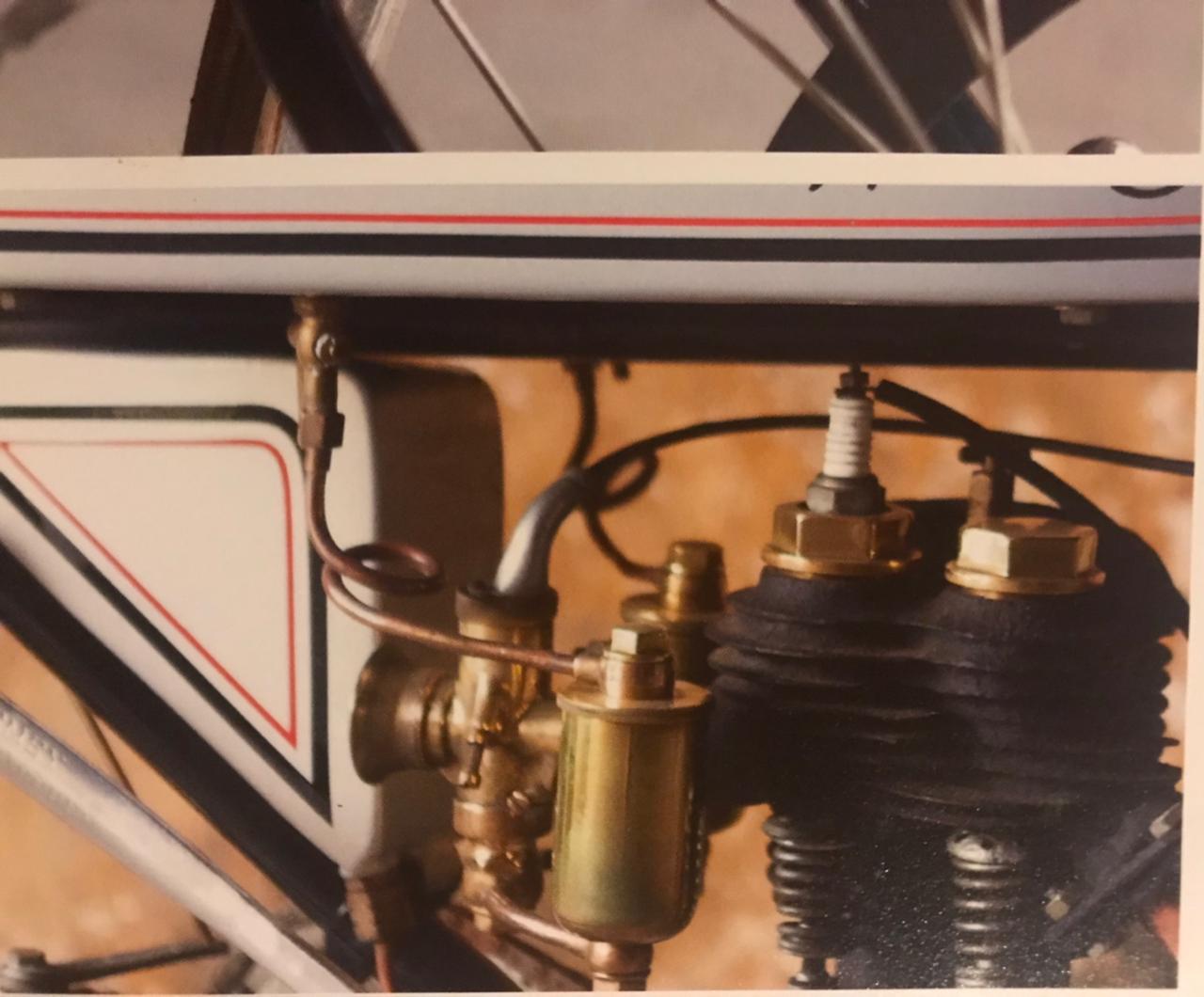
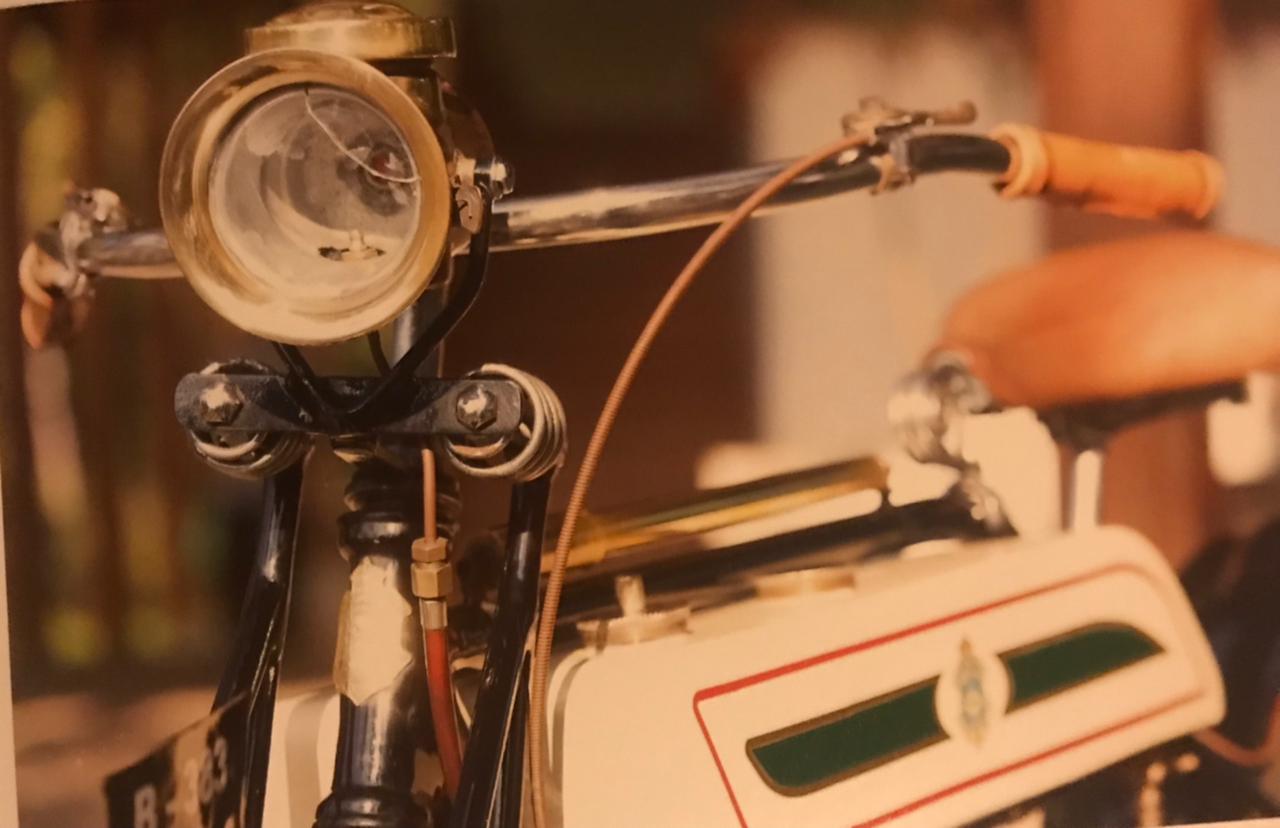
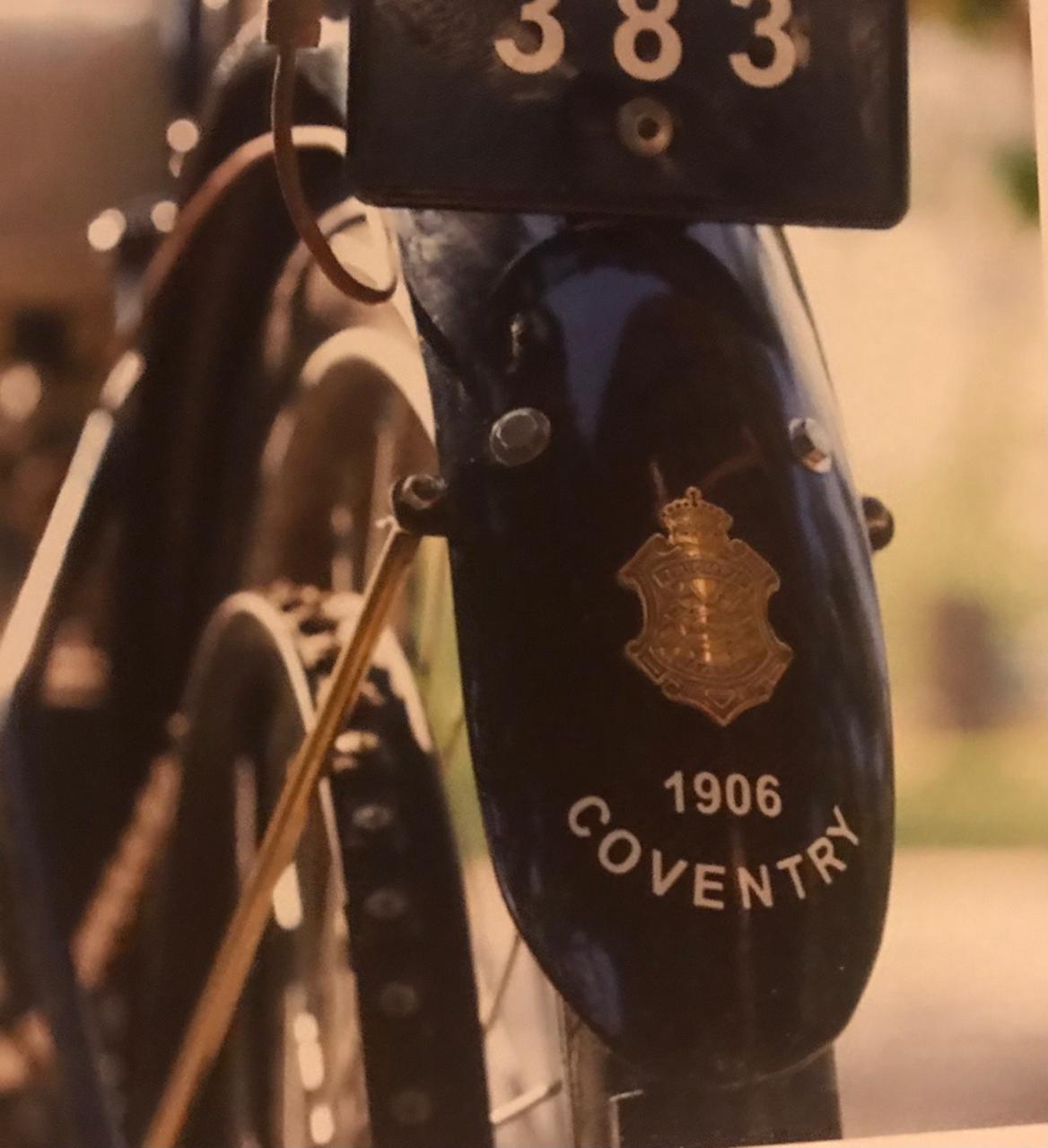
The Triumph Motorcycle company was founded in the 1880s by German immigrant Siegfried Bettmann in Coventry , England , The installation of an auto - motor into the frame of a Triumph bicycle in 1902 created the soon to be famous Triumph motorcycle marque . The Triumph Coventry was launched in 1906 using a new - design engine and the recently invented Bosch Simms high - tension magneto . The frame was redesigned and the new ' Rocking front fork with horizontal springing introduced . While the company went through a number of changes and owners , Triumph Motorcycles has the distinction of being the world's longest continuous production motorcycle manufacturer . Some features typical of early motorcycles are seen on the Triumph Coventry , fuel tank slung beneath the frame top tube ; brass carburettor ; all - brass gas lighting system , manually activated oil pump ; and tyre inflator pump mounted on the frame top tube . Firing up the Triumph Coventry is by foot pedals and chain , the variable gearbox transmitting power through a rubber belt with detachable segments . Braking operates on a hoop , and is on the rear wheel only . This example was found in a small town distant from Colombo , the capital city of Sri Lanka ( former Ceylon ) about nine decades after manufacture . The engine , wheels , and part of the frame , were about all that remained . A two - year restoration - which included a frame rebuild - sees the 1906 Triumph Coventry well into its second century of existence .
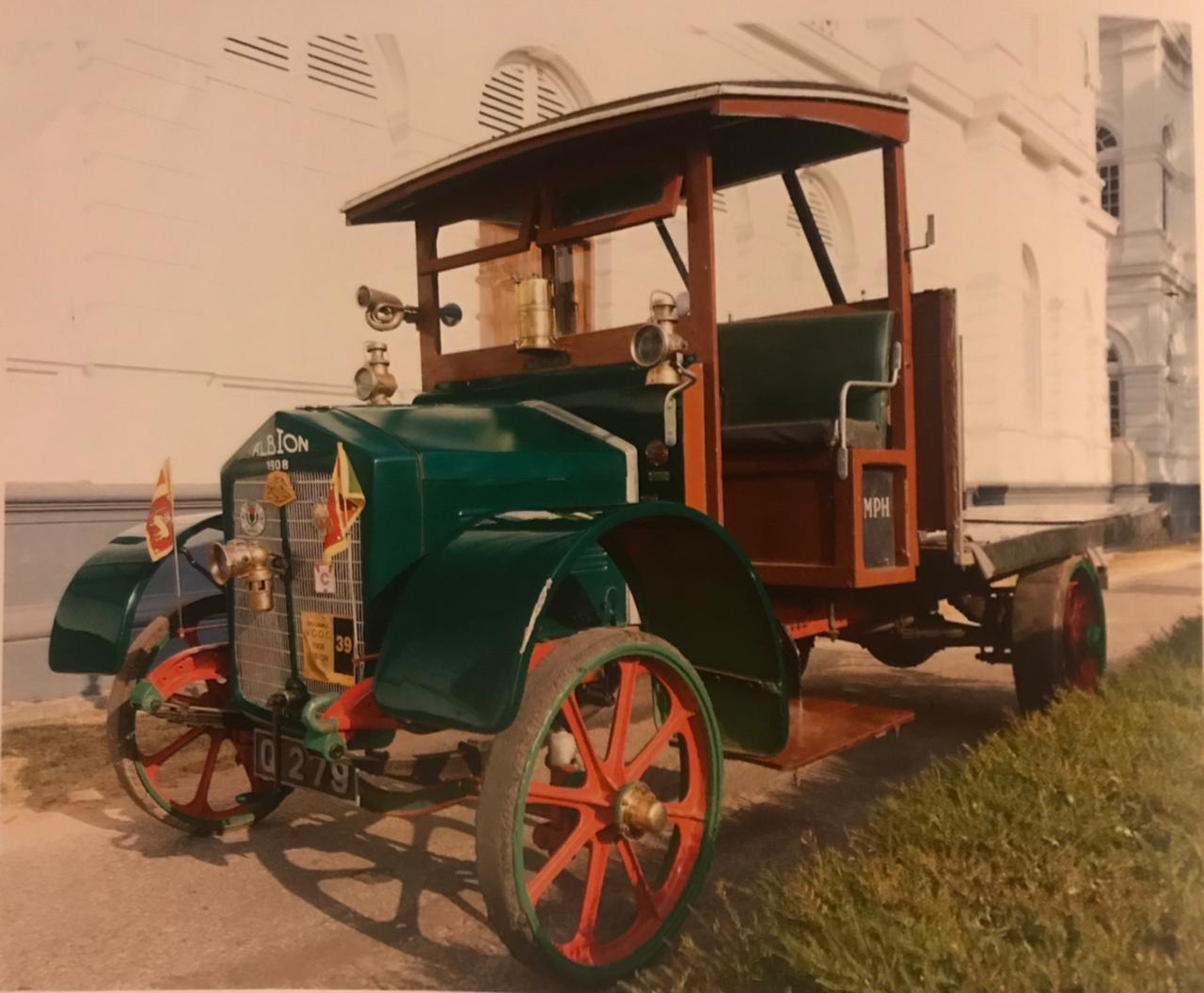
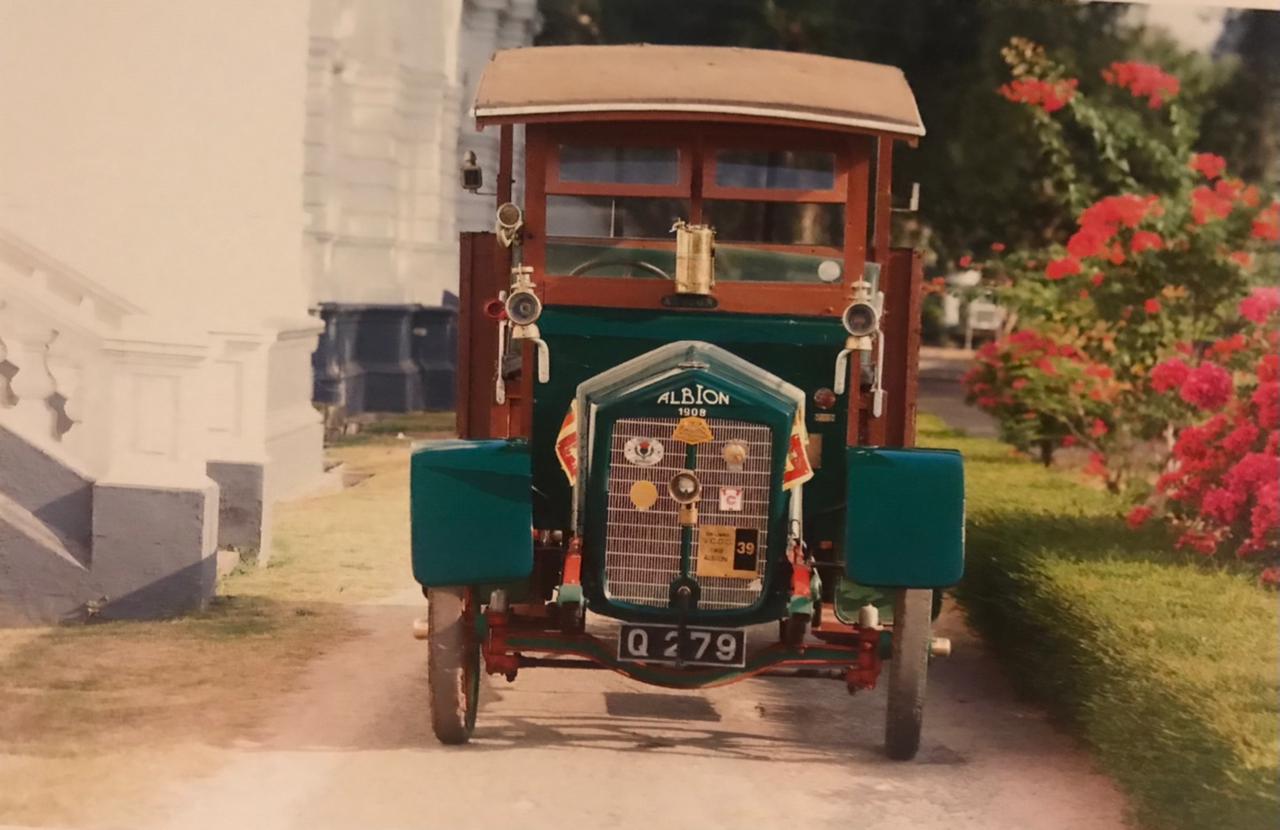
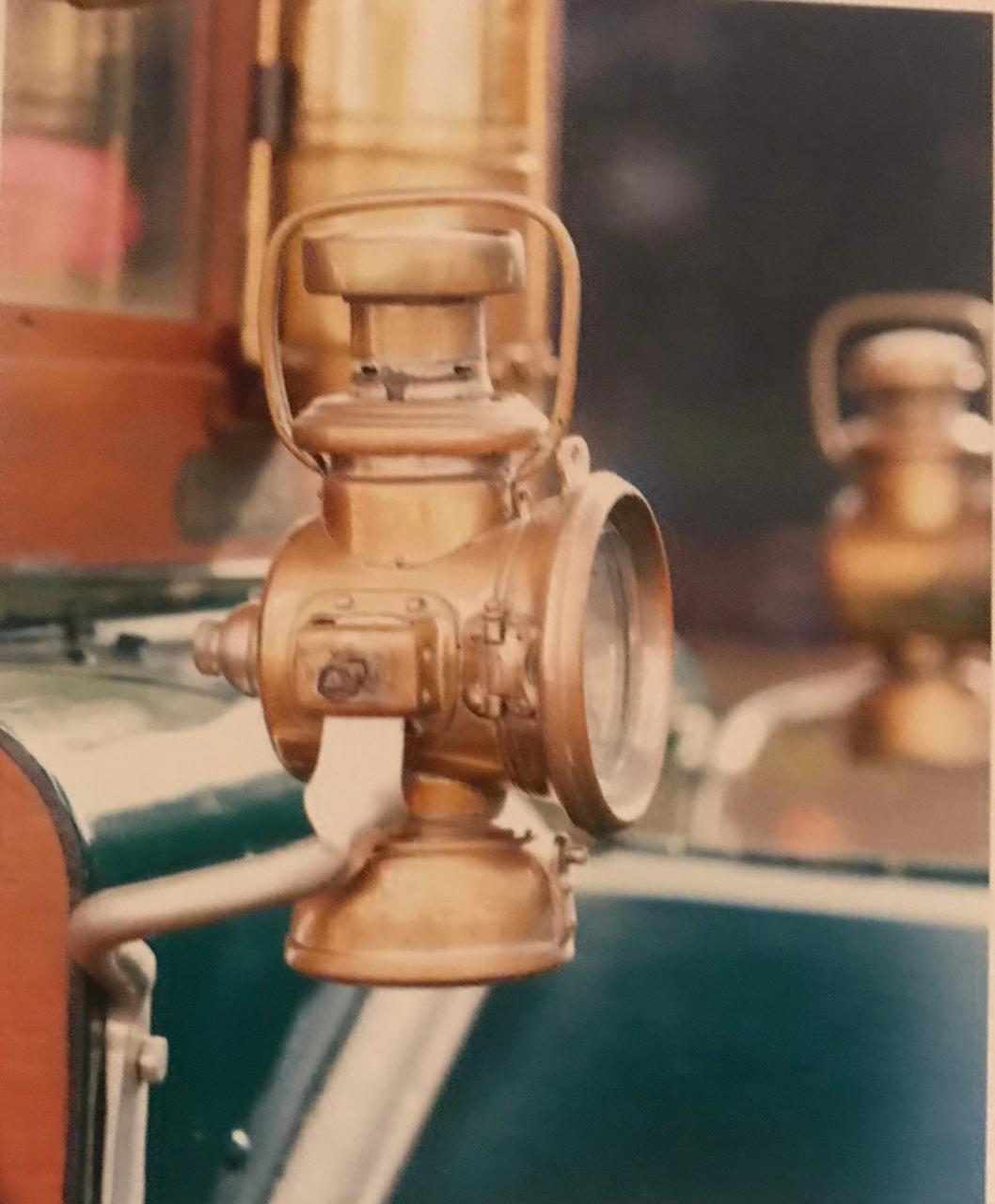
The Albion Motor Car Company was established in 1899 by Thomas B. Murray and Norman Fulton in Glasgow , Scotland . Early products were 2 - cylinder , 8hp ' dog carts ' . The first commercial vehicle appeared in 1902 with a 8hp engine and tiller steering . The Company's well known slogan ' Sure as the Sunrise ' was incorporated into logos and badges . This 1908 lorry is the oldest known running commercial motor vehicle in Sri Lanka . It was first registered in May 1914 to H.L. de Mel , who owned the Bogala Graphite Company . Similar models were used to transport graphite from mines in Kurunegala to Colombo at the maximum speed of 8mph . Many Albion lorries and buses were imported into Sri Lanka . Having performed sterling service for 65 years , it was to be sold in 1979 for scrap . Fortunately , Tilney Peiris , then Assistant Commissioner of Motor Traffic , purchased this as well as a 1925 Albion truck for a sum of Rs . 500 / - . He restored it and competed in rallies . It was then neglected and Hercil Fernando -- the present owner of the vehicle since 1988 – then purchased and restored it to its pristine stat
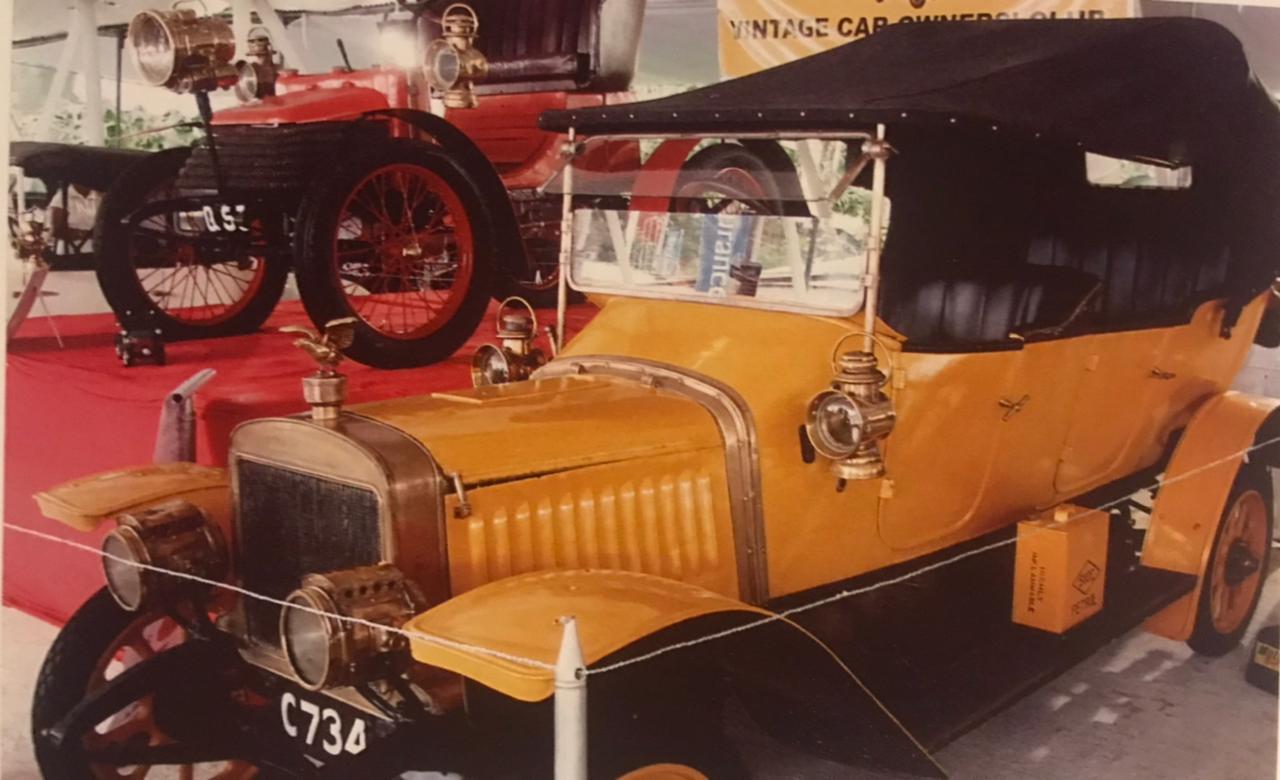
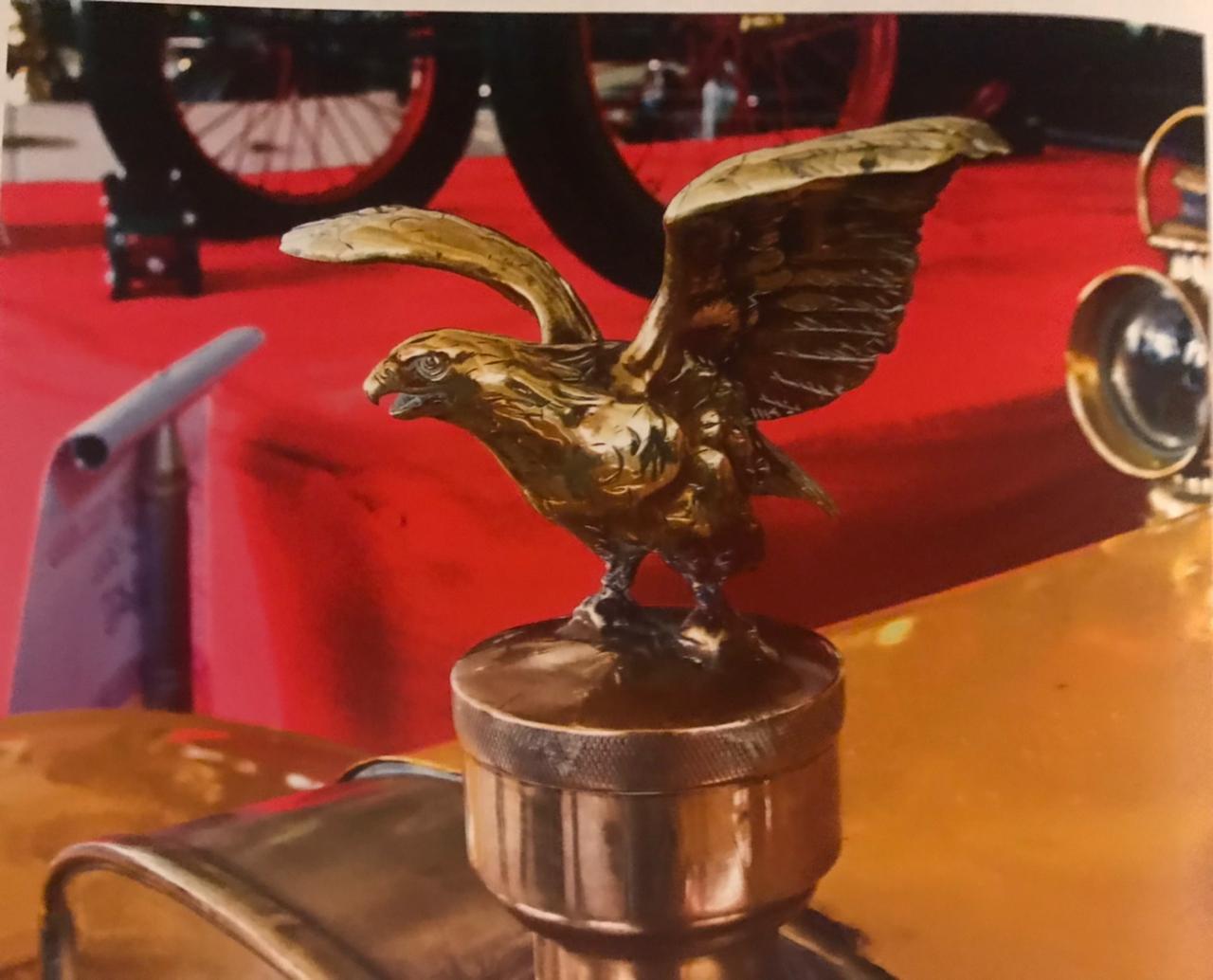
Adler was a German automobile and motorcycle manufacturer from 1900 to 1957 founded by Heinrich Kleyer . Adler is German for eagle . Before the First World War they used De Dion two and 4 - cylinder engines in cars that ranged from 1,032cc to 9,081cc . In 1902 they began using their own engines . They moved to large car manufacture thereafter and introduced the front - wheel drive Trumpf models in the 1930s . The last new car produced by Adler was the 2.5 litre model of 1937. Post Second World War , Adler's automobile manufacture ceased though it continued with the production of motorcycles again from 1949 . The featured car is a 1911 Adler ‘ Torpedo ' 4 - Seater Tourer originally owned by F.R. Senanayake . The car's unique place in local history began when Hitakami Chitrupa Peiris , on his return from England in 1952 , placed an advertisement in the newspapers for a pre - 1918 vintage car . It led to his acquisition of the Adler in 1953 and the formation of the Veteran Car Club of Ceylon in the same year , the first such club in Southeast Asia at that time , with Mr. Peiris as President . The car is now owned by his son . The car is currently under restoration . File picture thanks to Preveen Rodrigo .
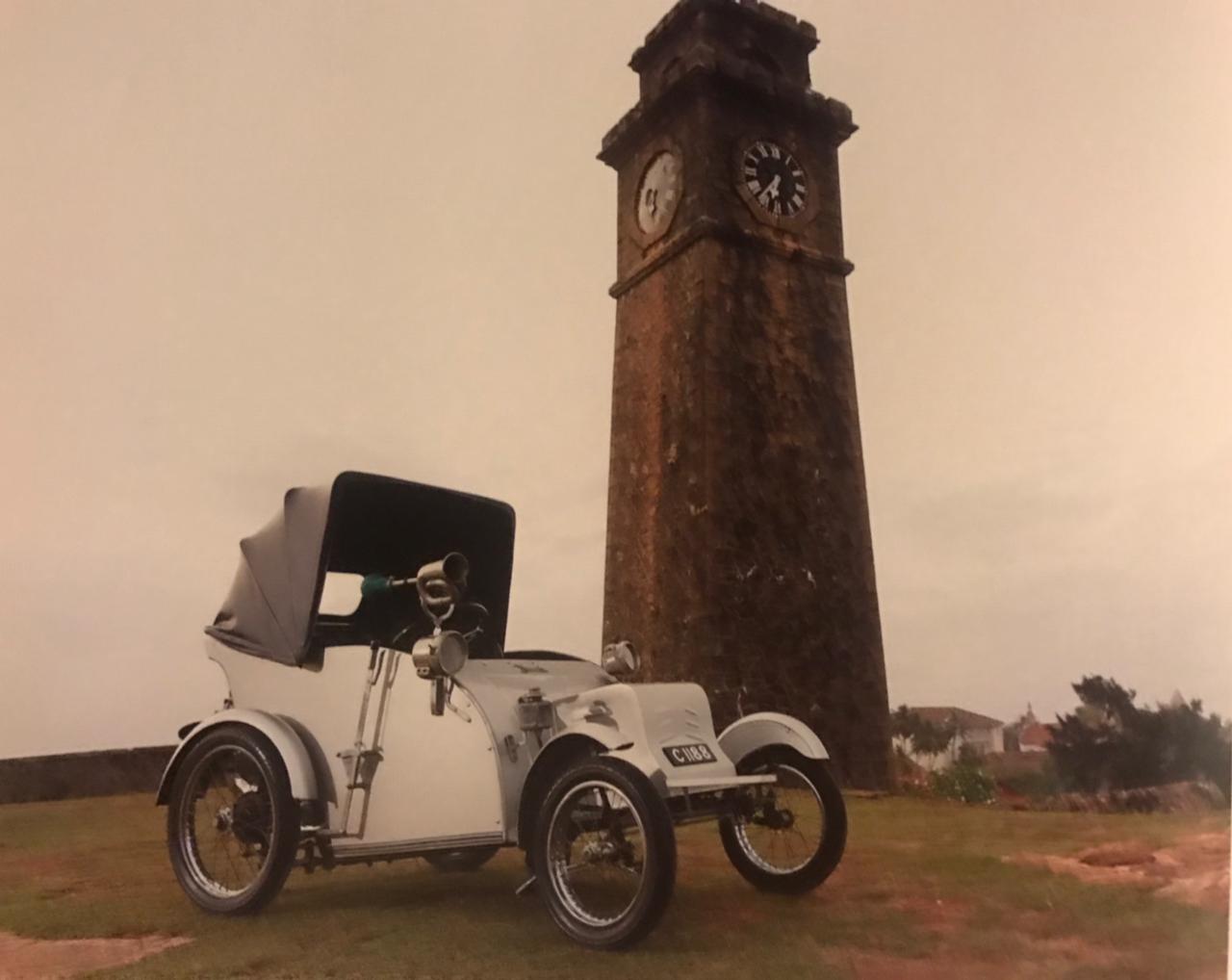
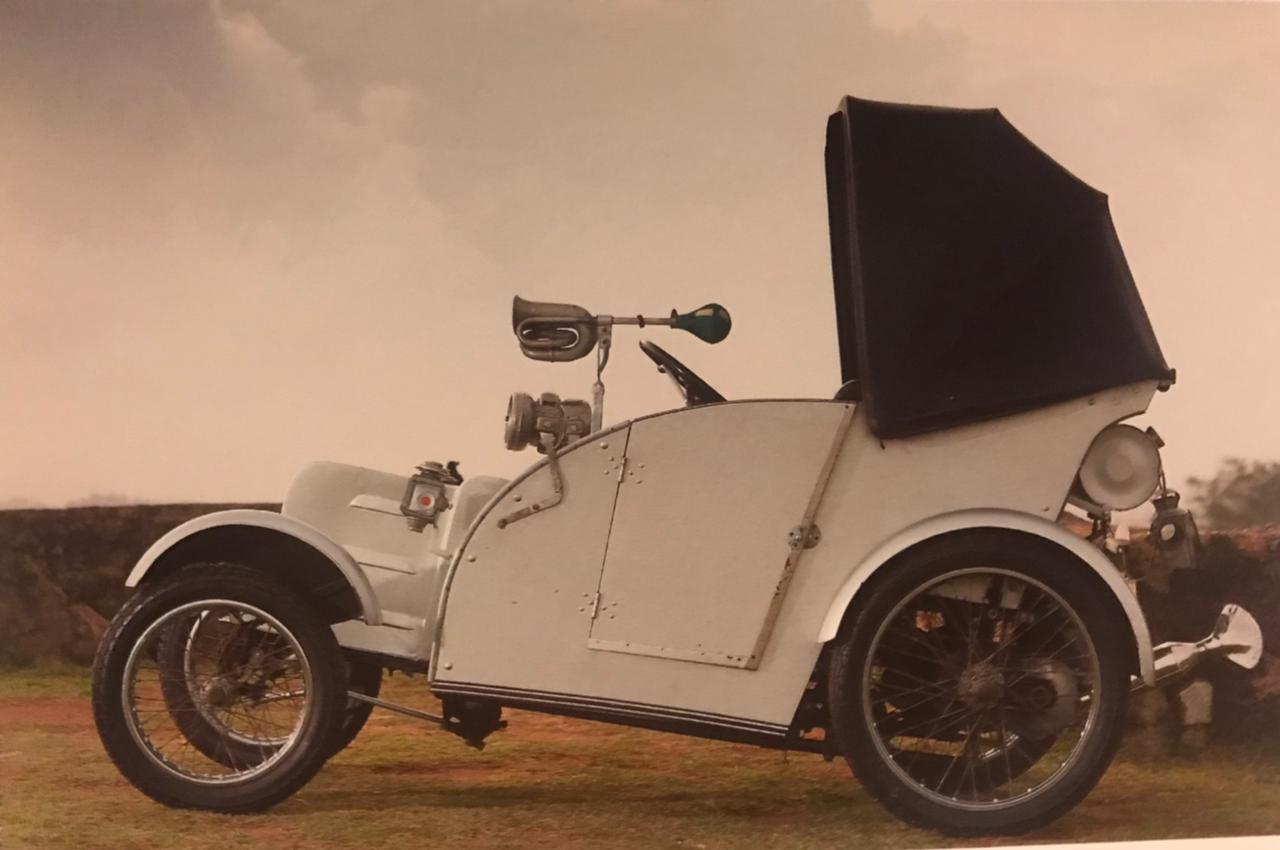
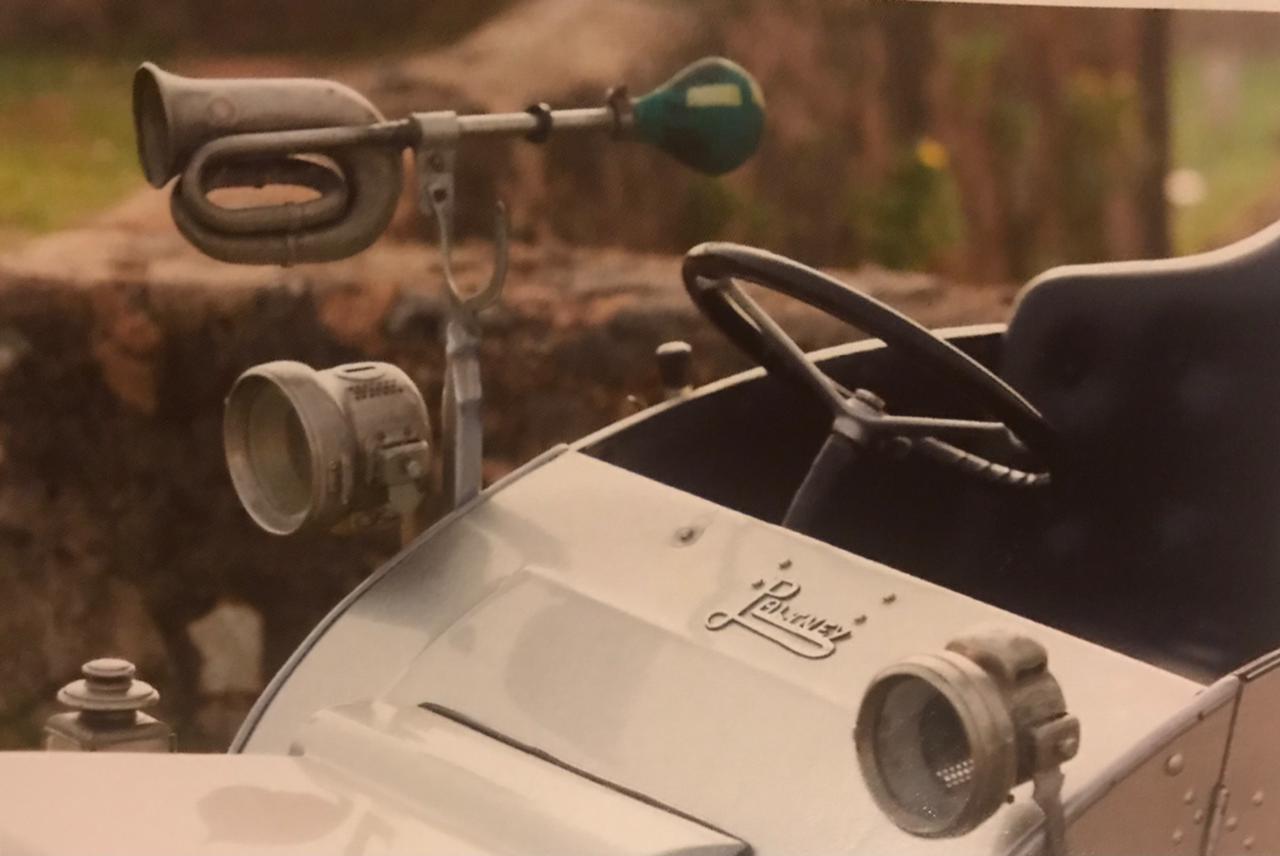
This Paltney car was first owned by Major C.A. Gibson , a veteran of the Second Anglo - Boer War , which ended in 1902 . Major Gibson was held as a Prisoner of War , one of 5,000 POWs sent to Ceylon . Having lost an arm in the war , his daughter is said to have got the Paltney specially built for him with tiller steering and shipped from England in 1913 to his home in Kandy . The car was subsequently owned by a close friend of Major Gibson , Urial Mendis . The Paltney was abandoned in 1940 and over a period of 35 years reached a derelict state ending up in a garage in Lindula . It was located in 1975 by vintage car aficio nado and Assistant Commissioner of Motor Vehicles , Tilney Peiris , whose enthusiasm and persuasion lead to the garage owner eventually gifting him the which was meticulously restored to an excellent run ning condition . The rare Paltney proceeded to take pride of place at many Vintage Car Club rallies where Mr. Peiris and his wife would appear at the helm of the car dressed in period costume . An unfortunate collision with a bus in 1990 damaged the tiller steering mechanism and the car was modified to run with a steering wheel . The car was acquired by the President of the vintage car club of Ceylon , Farih Fauz in 1992 and sold to its current owner in 2004 .
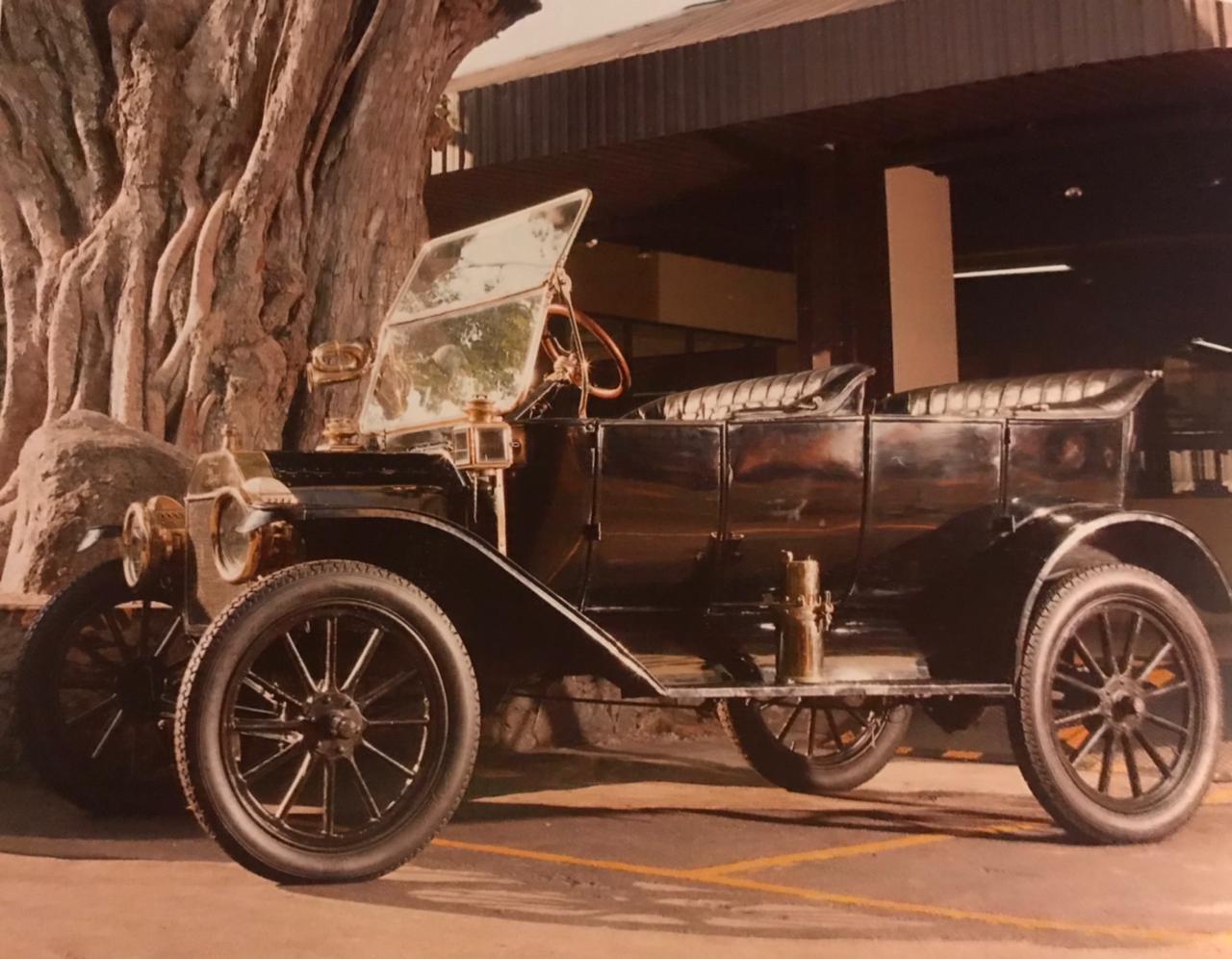
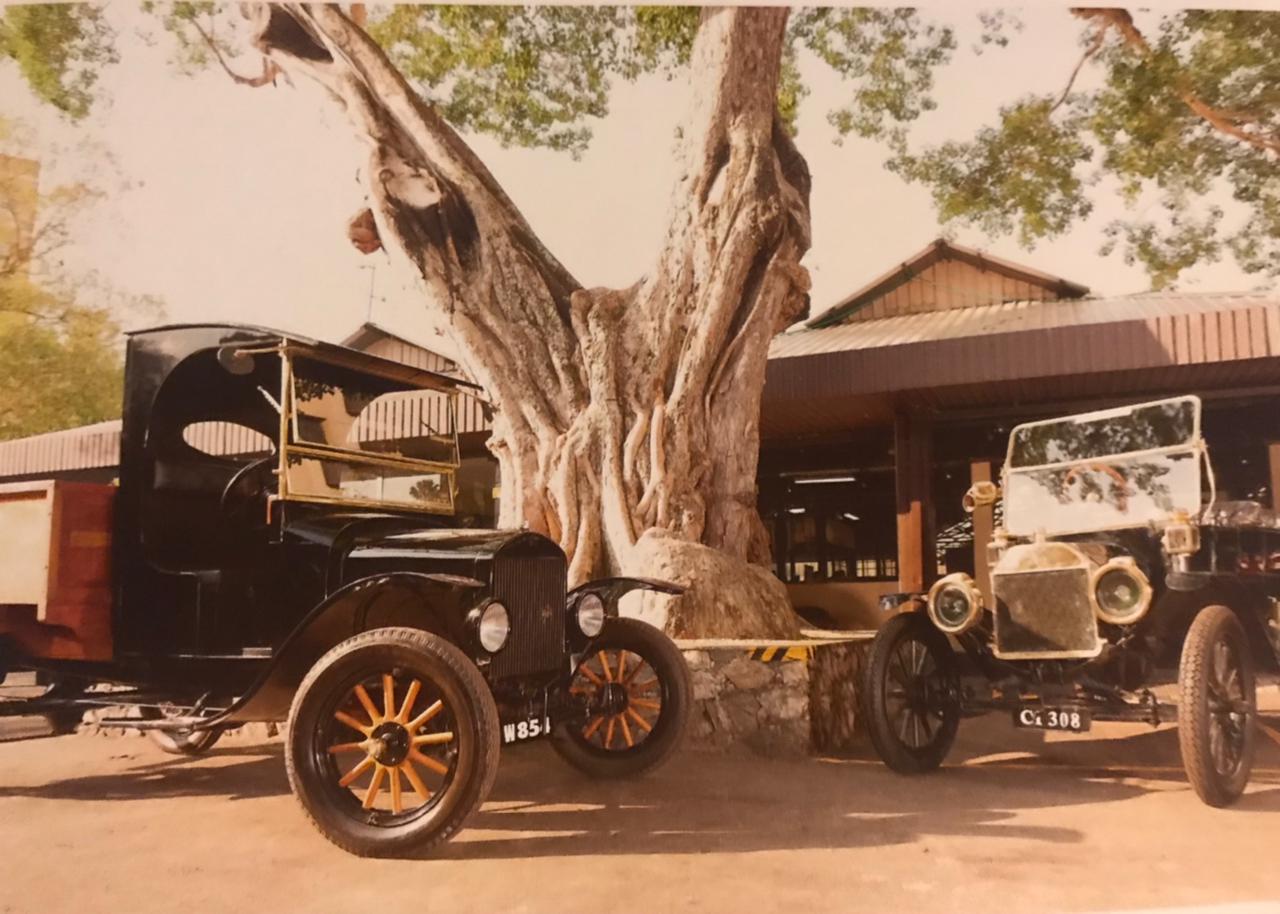
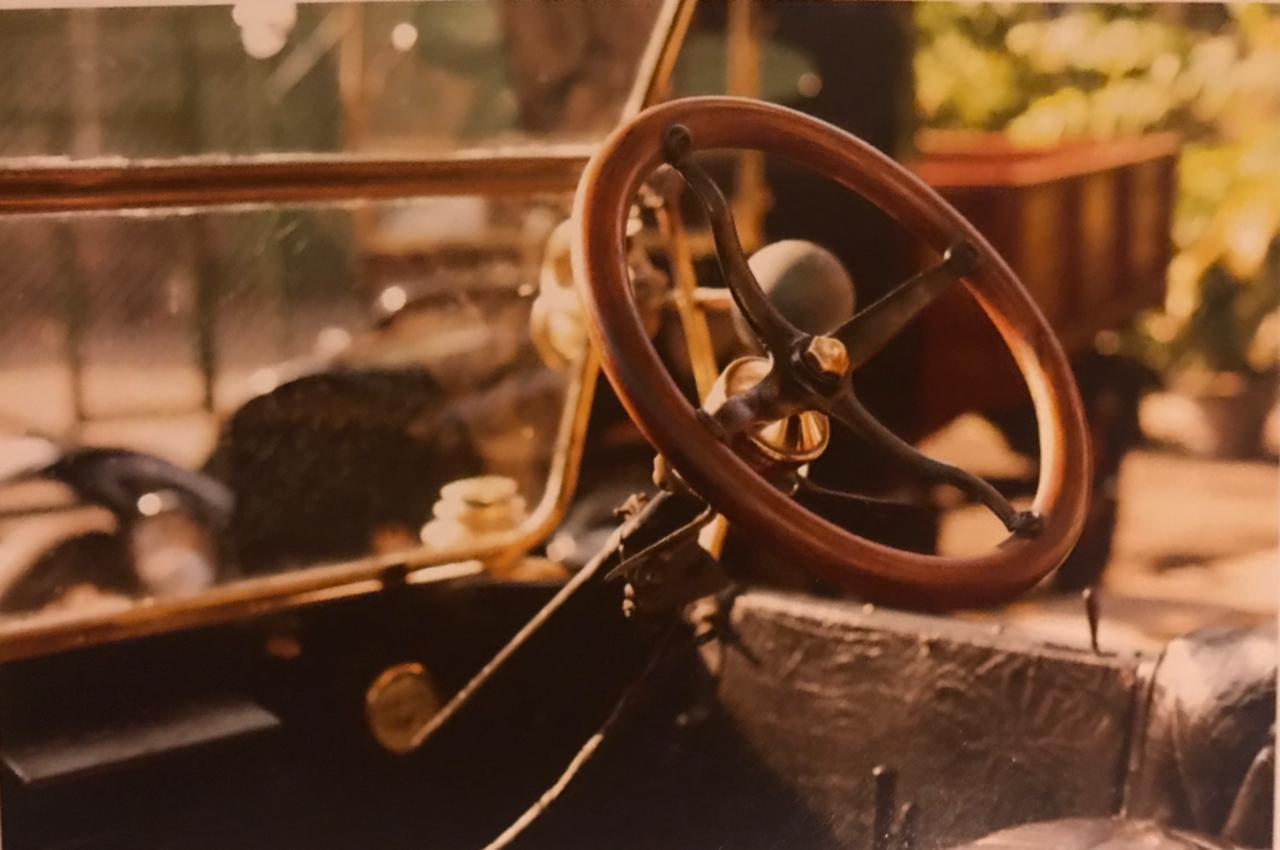
The Ford Motor Company was started by Henry Ford in 1903. The company manufactures a vast range of automobiles , trucks , buses and tractors under its numerous brand names and is one of the largest motor companies the world has ever seen whose innovations have profoundly influenced the industrial age . The first production Ford was The Model A of 1903 , The Model T , affectionately known as " Tin Lizzie " and launched in 1908 is one of the most influential vehicles of the automobile world . The first car made affordable for the general populace , it is credited with motorising middle class Americans and introduced the world to successful assembly line production techniques , reducing the cost of automobile manufacture . The Model T was built to be robust in its application in a world not yet widely paved , motorised or electrified and saw an extensive range of uses other than road travel , including adaptation for use in agriculture , goods transport and even as early snowmobiles . The Model T car here was first imported by the Ford Motor Co. Of India Ltd and is now owned by Ford Agents David Pieris . The operation of the pedals and gears requires an unusual sequence of steps which takes some getting used to and it is said that only owner David Pieris himself knew how to correctly operate this Model T. The immaculate Model T Truck also pictured is owned by car collector Freddie Alles .
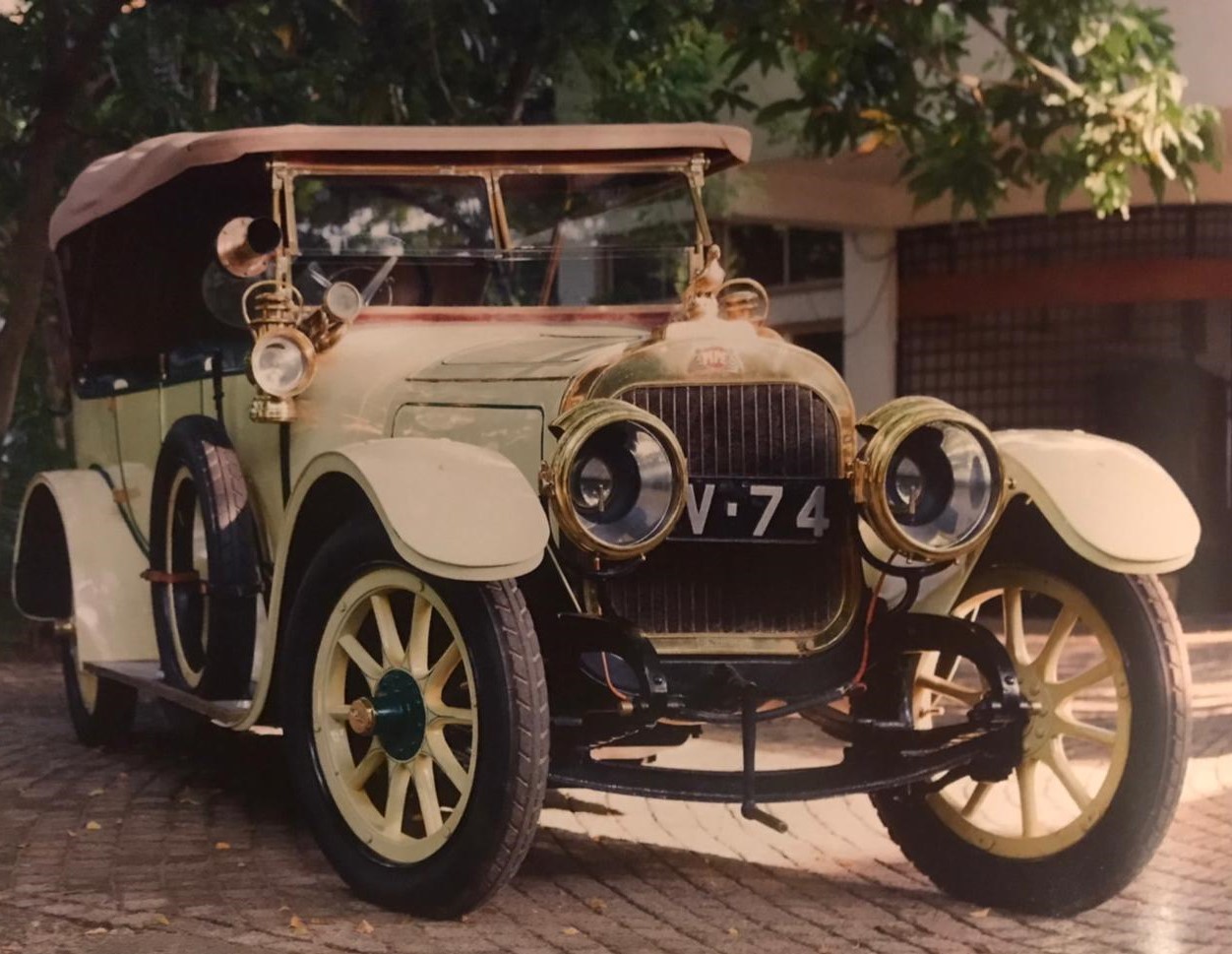
The Compagnie Belge de Construction Automobile was founded in 1898 by the brothers Alfred and Victor Goldschmidt . The Pipe , one of Belgium's best built and most expensive cars , is said to have been so named because its manufacturers also made metal pipes . They presented their first car in 1900 , a 2 - cylinder 6hp Panhard - Levassor type model , with chain drive . They made a range of models of advanced design . During the First World War , the factory was partly destroyed . In 1921 they resumed manufacturing passenger cars . They presented two new models but little was left of the former distinctiveness . They then switched over to the manufacture of commercial vehicles . Though little known today , Pipe cars achieved remarkable success early on in motor sports , first entering the sport at the Spa - Bastongne - Spa race in 1900. One of its most significant racing moments was the highly prestigious “ Kaiser Preis " event of 1907 hosted by the Emperor of Germany , which was designed to show the motor racing supremacy of Germany over France . It featured the finest motor manufacturers and racing drivers of the era . A Pipe driven by Lucien Hautvast narrowly missed a win against the much larger manufacturers due to puncture at the end of the race , however the car captured the admiration of the spectators and the Kaiser himself . Subsequently , many a powerful Pipe car became popular amongst the European Royalty of the era . In 1913 a range of entirely conventional beautifully made machines with quiet , flexible , long stroke 4 - cylinder side valve engines were offered . The Pipe 16-20HP featured here was first purchased by Hon A.H.E. Molamure , Member of the Legislative Council of Ceylon , one of the landed gentry and a pioneer of the national movement . He was also one of the first Sri Lankans to invest in an automobile .
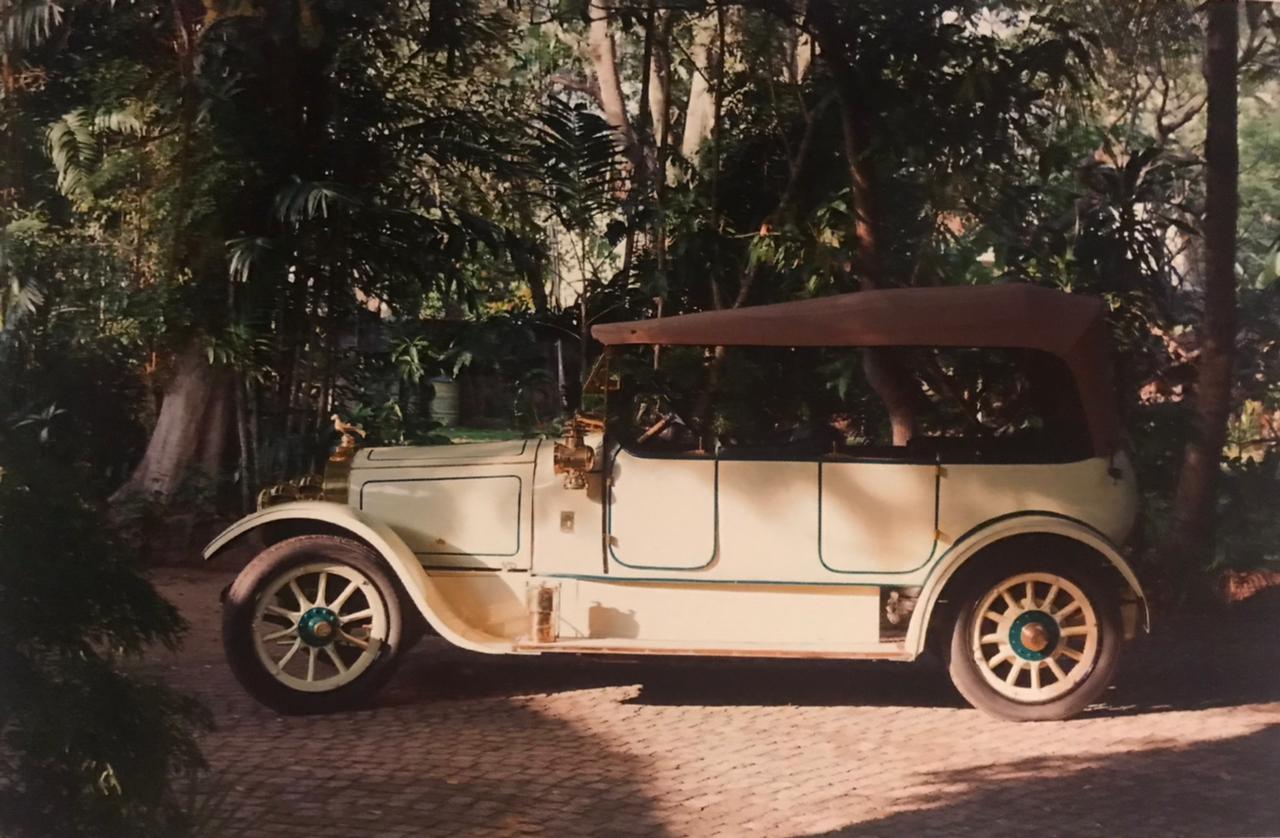
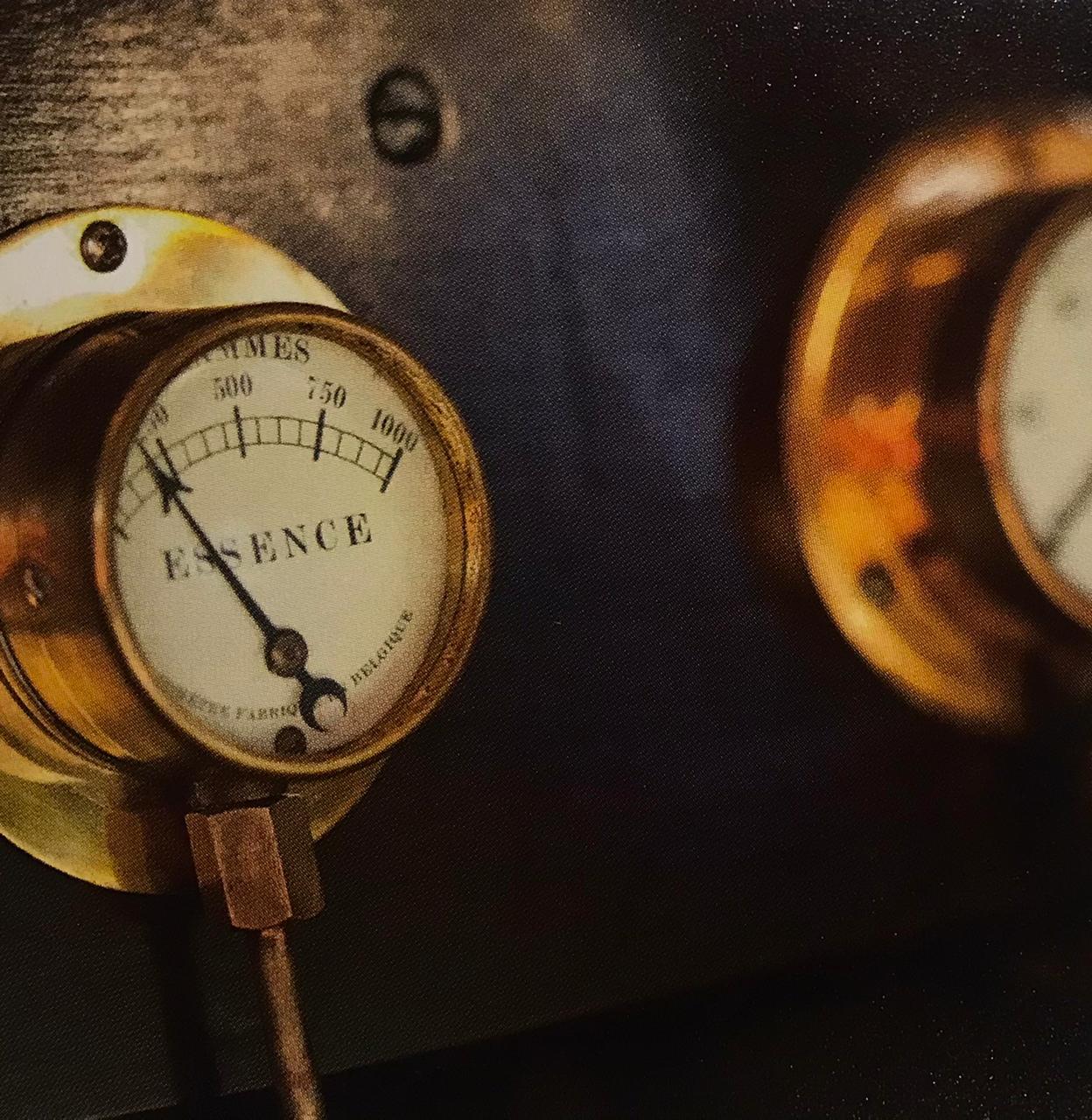
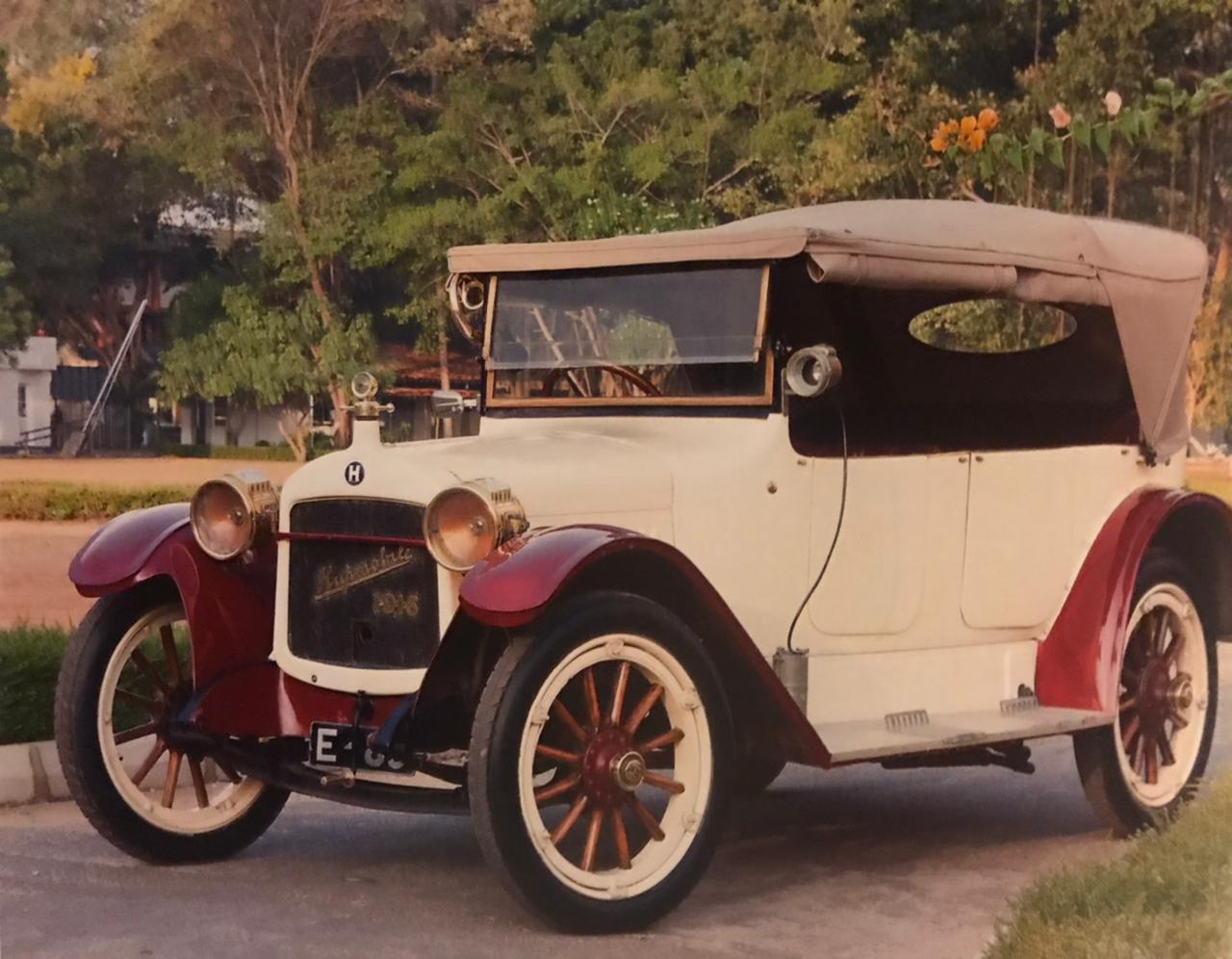
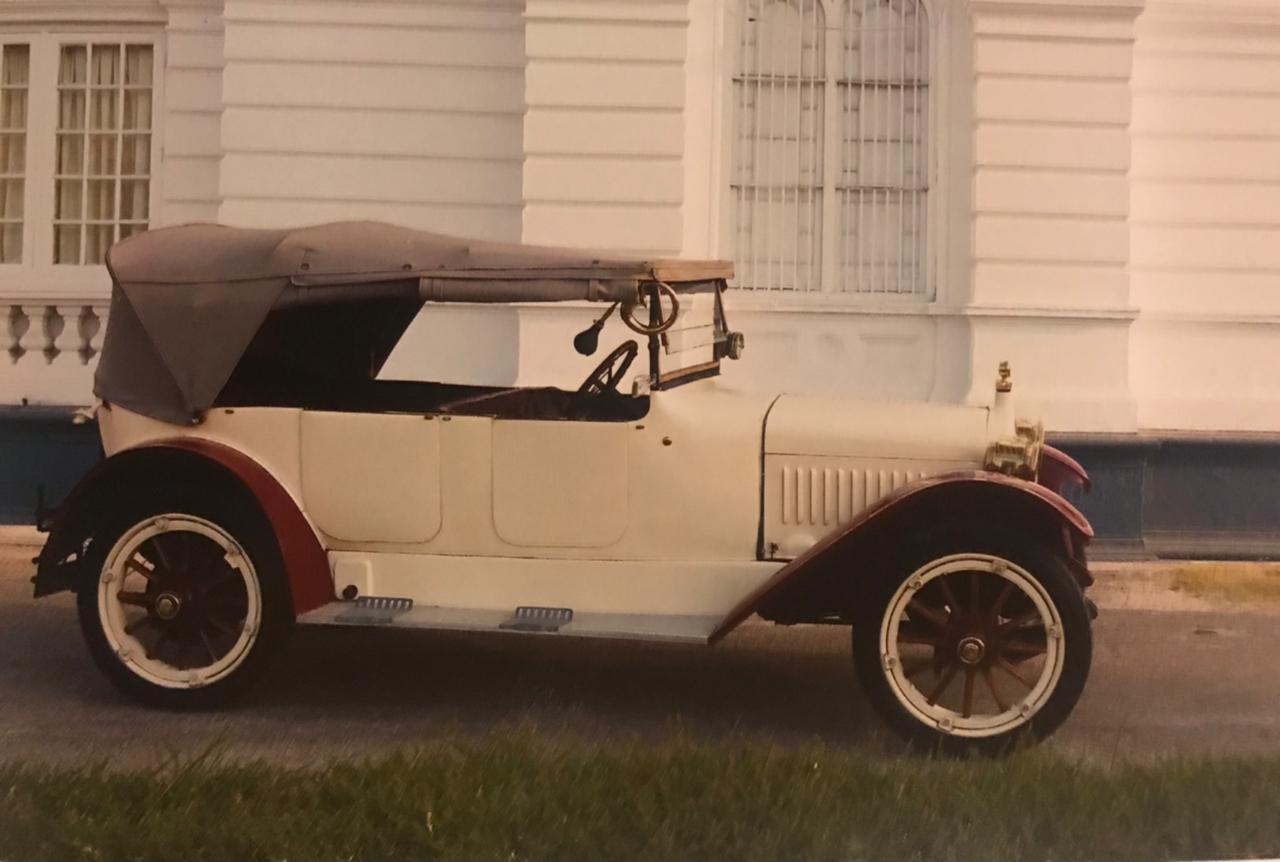
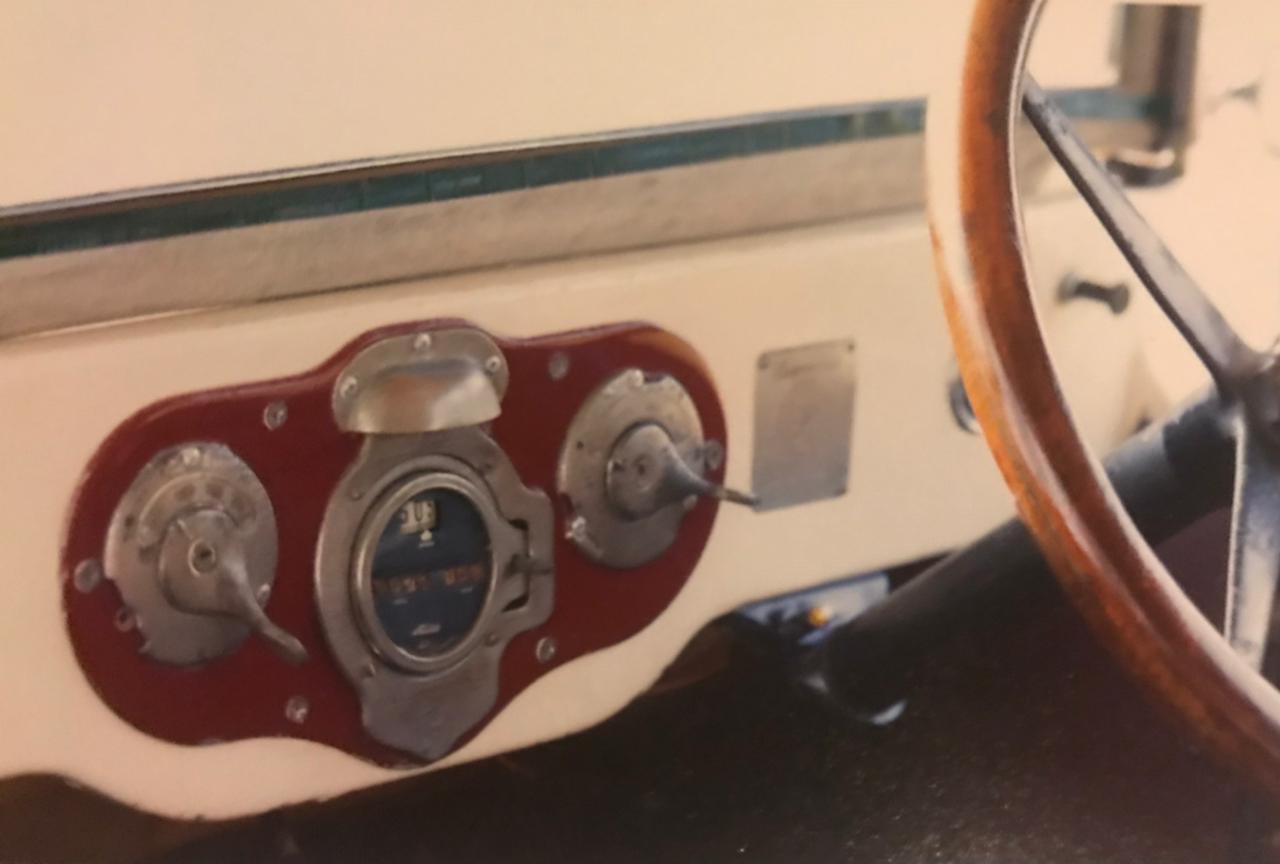
The Hupp Motor Car Company was founded by the brothers Robert Craig and Louis Gorham Hupp in 1908 in Cleveland , Ohio , USA . In 1909 they built their first car , a 2 - seater roadster , called the Model 20. In 1911 they built a touring car with three forward speeds and adhered to 4 - cylinder side - valve units until 1924. In 1912 they introduced the Model H , also referred to as the Model 32 , to replace the Model 20. In 1915 the Model K replaced the Model H. By the 1920s they were a significant producer of cheap and popular cars referred to as ' cycle ' or ' light cars . However , the Great Depression affected the Company and production ceased in 1941 . The car featured is a 1915 Hupmobile K Series , 5 - seater Touring model with registration number E - 89 , which was first registered in 1916. It was owned by the Nathaniels family of Polgahawela until 1961. Thereafter it was owned by Edward Raymond who sold it in 1969 to the well known motoring enthusiast Vere de Mel . After his demise in 1978 the car was badly neglected with many parts missing . It was found with a wooden block on the brake pedal a former owner of diminutive stature had placed in order to reach it . The current owner purchased the car in 1997 and carried out a complete restoration . It has been displayed at many motor shows and took part in the vintage run to Kandy in 1999 .
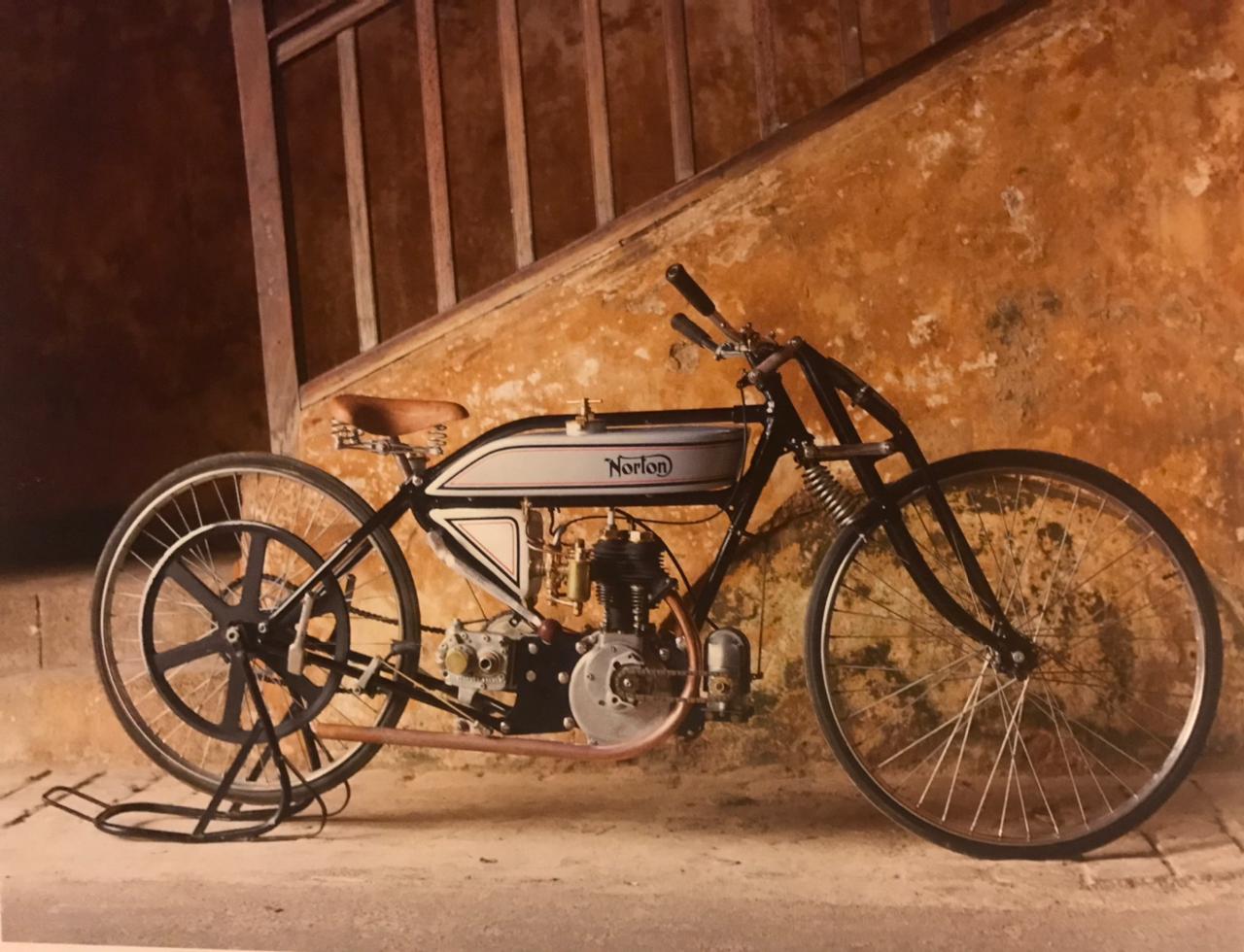
Norton is synonymous with top flight motorcycle racing . The company was founded in 1898. Entering competition in the early 1900s , Nortons carried numerous riders to victory after victory well into the 1960s , and to date - a century later - continues to win races in classic motorcycling . The great handling of the patented ' Featherbed ' frame of 1950 , together with the robust single - cylinder 4 - stroke motors of 350cc and 500cc displacements , made the Norton Manx the must have machine for any race rider of the time , and set the trend for motorcycle design , racing and otherwise . Discovered lying in pieces in a motorcycle workshop off Kurunegala , this 19R was rebuilt from ground up . The Norton 19R TT is a particularly great racer . Purpose built for competition , it has a free - breathing carburettor and straight through exhaust system , quick opening fuel filler cap , a racing type air - cooled clutch , low - swept handlebars , a long fuel tank enabling the rider to position himself for maximum wind - cheating effect , minimalist saddle , and a detachable stand . The total - loss engine lubrication being manual , the rider needed to remember , even under the pressure of racing , to regularly hand - pump oil into circulation or face engine seizure . Horsepower is transmitted through a 3 - speed hand - lever operated Sturmey Archer gearbox and chain final drive .