× Dennis Fire Engine Rolls - Royce 20HP Peugeot Quadrillette Rolls - Royce 100 Graham Paige Model 612 Morris Cowley Vauxhall 20-60 Fiat Model 514 BSA S29
☰ open

1920's

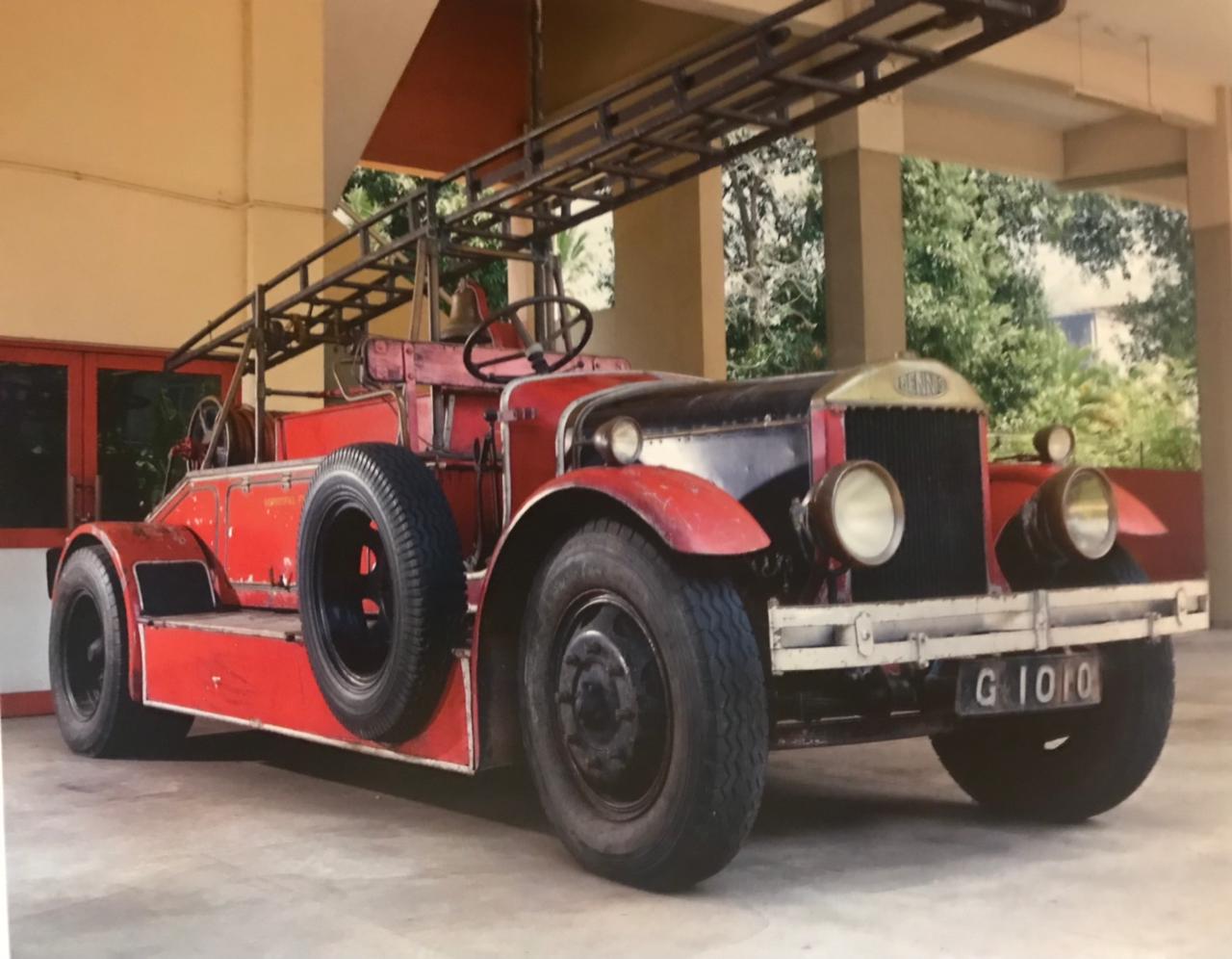
Dennis Fire Engine

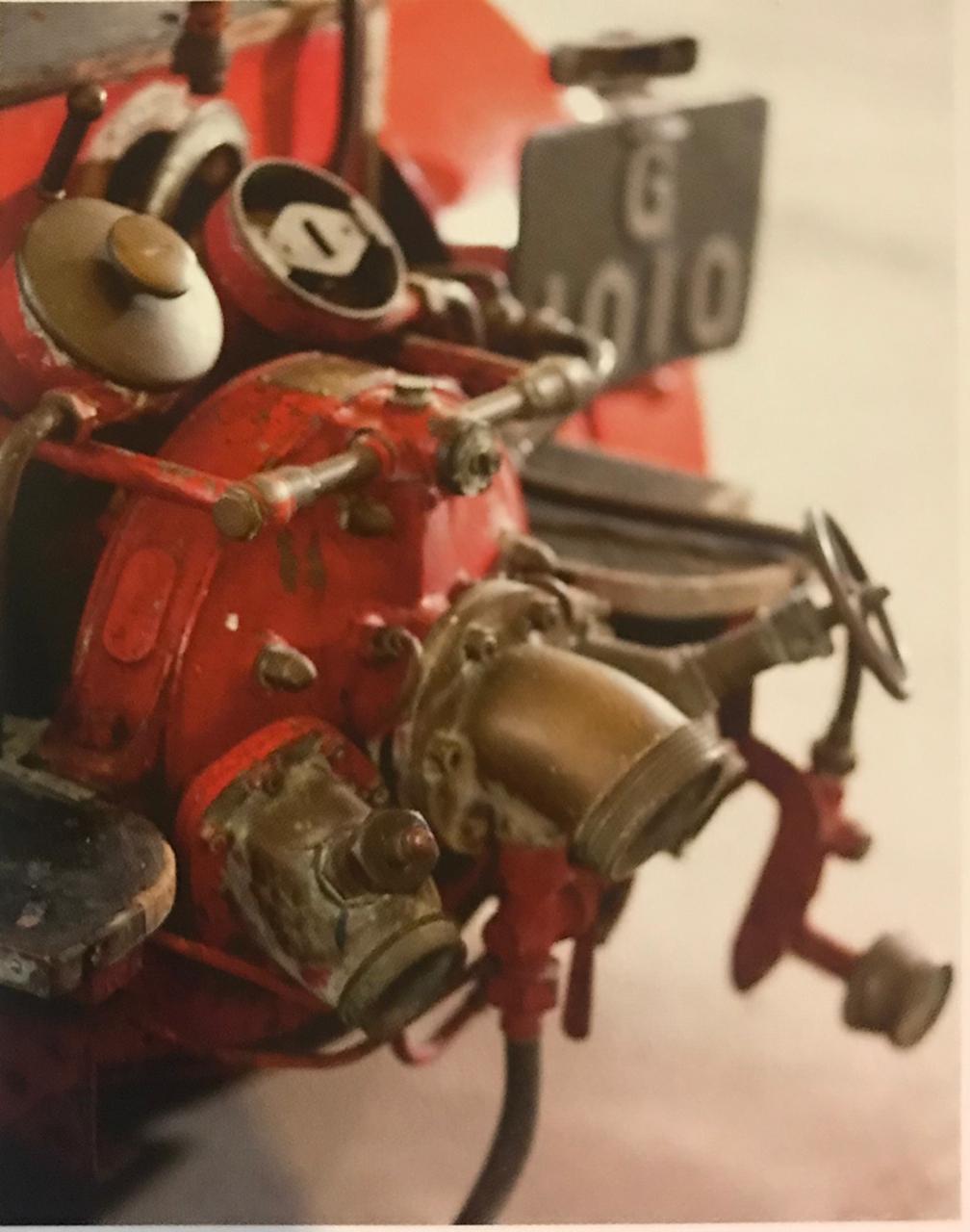
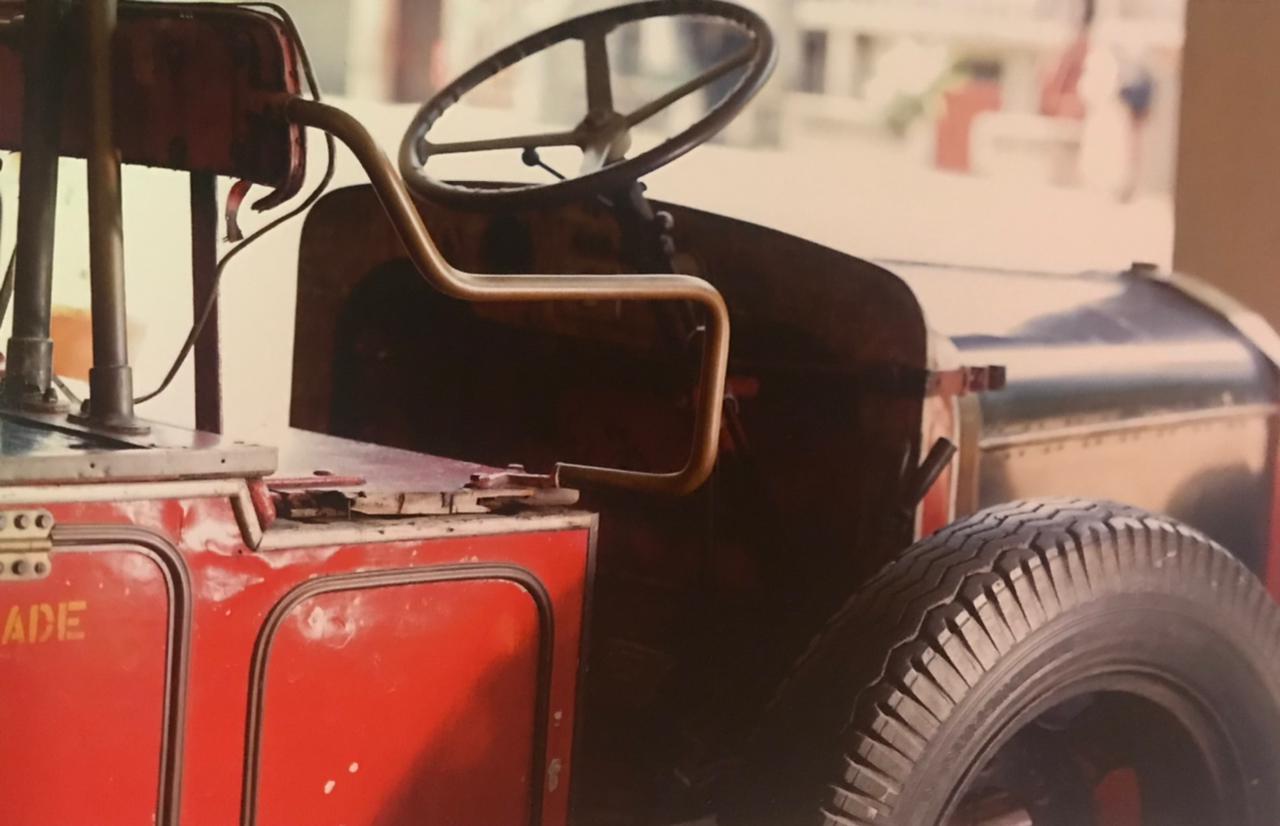
The Dennis marque was established in 1895 in Guildford , United Kingdom by the brothers John and Raymond Dennis , initially for the manufacture of bicycles . They expanded by making tricycles and quadricycles . The first motorized vehicle was built in 1898 , it was a tricycle fitted with a single - cylinder De Dion engine . Their first proper car , a 4 - wheeled 8hp model , was built in 1901. Later they moved into the production of commercial vehicles . In 1908 their first fire engine was built , which became their best known products . In 1972 the company was bought by the Hestair Group , later by Trinity Holdings in 1989 and by Mayflower Corporation in 1998. Today they specialize in fire engines and buses . Dennis fire engines and equipment were supplied to the Colombo Fire Brigade , Colombo Municipal Council , Kandy Municipal Council and the Royal Naval Yard , Trincomalee from 1916 . The Dennis Fire Engine featured is a 1929'G ' Type owned and preserved by the Kandy Municipal Council . It was despatched from Guildford in July 1929 with Chassis No. 7299 and Engine No. 33538. A small number of ' G ' Types were produced and only three known to be preserved in England .
Rolls - Royce 20HP.jpeg

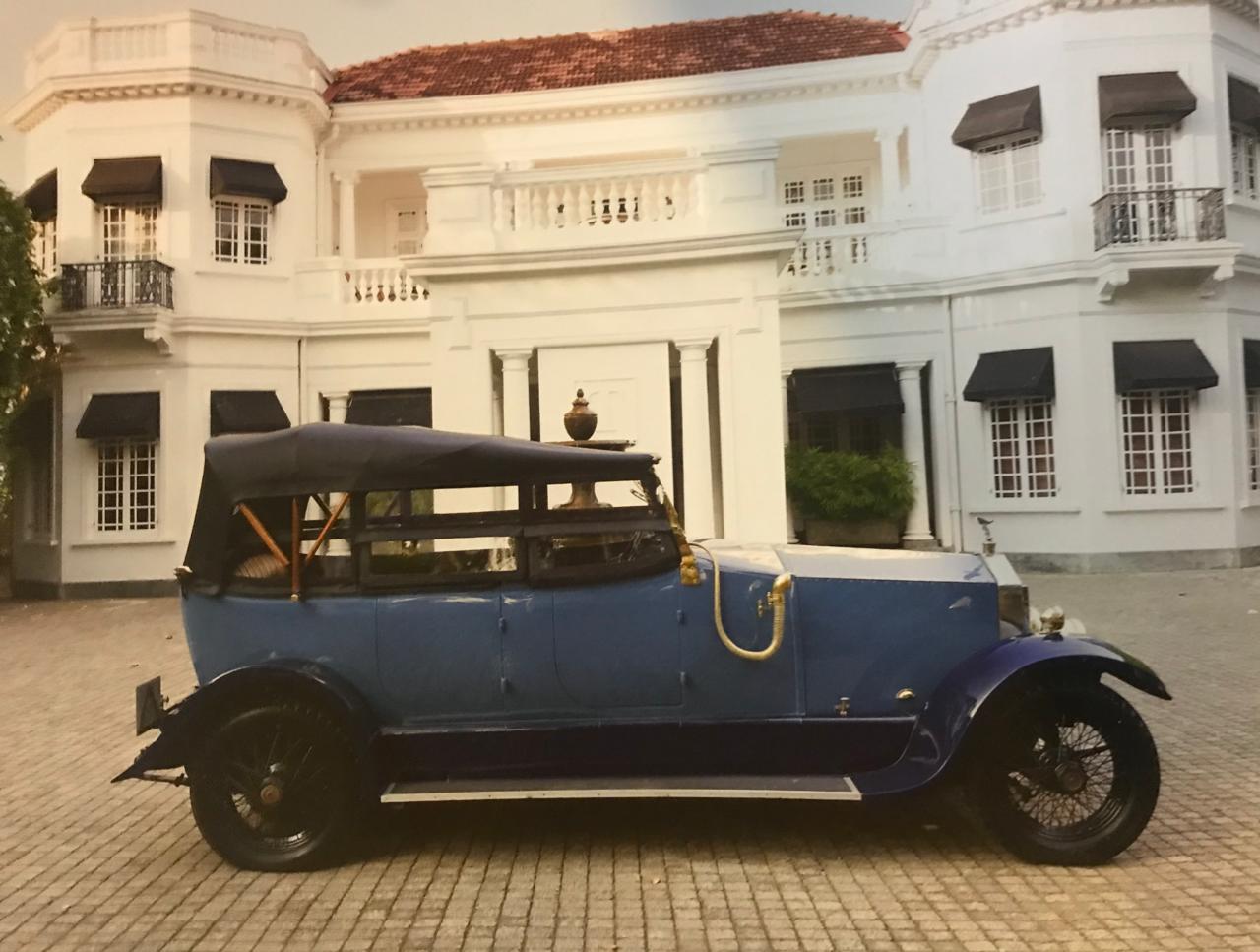
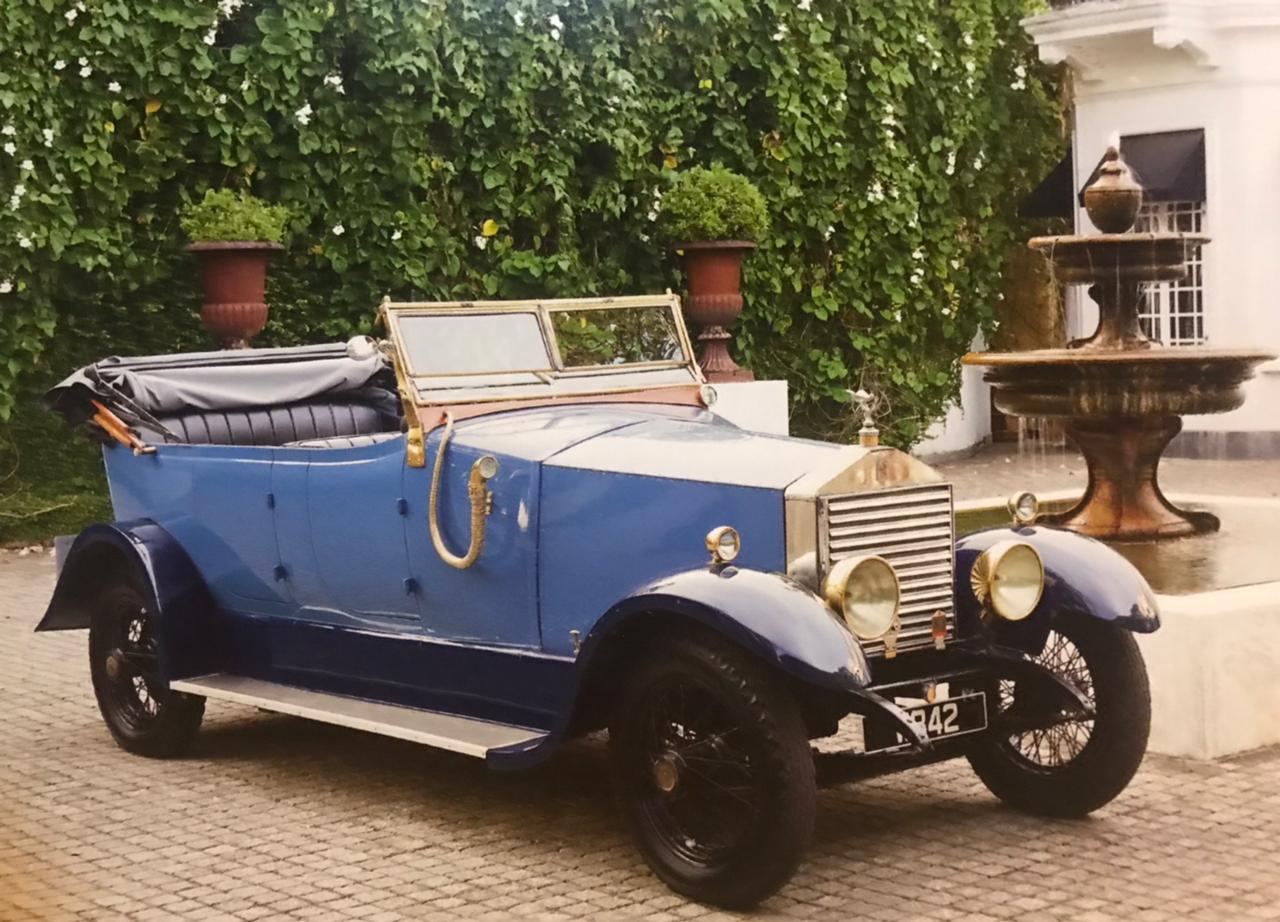
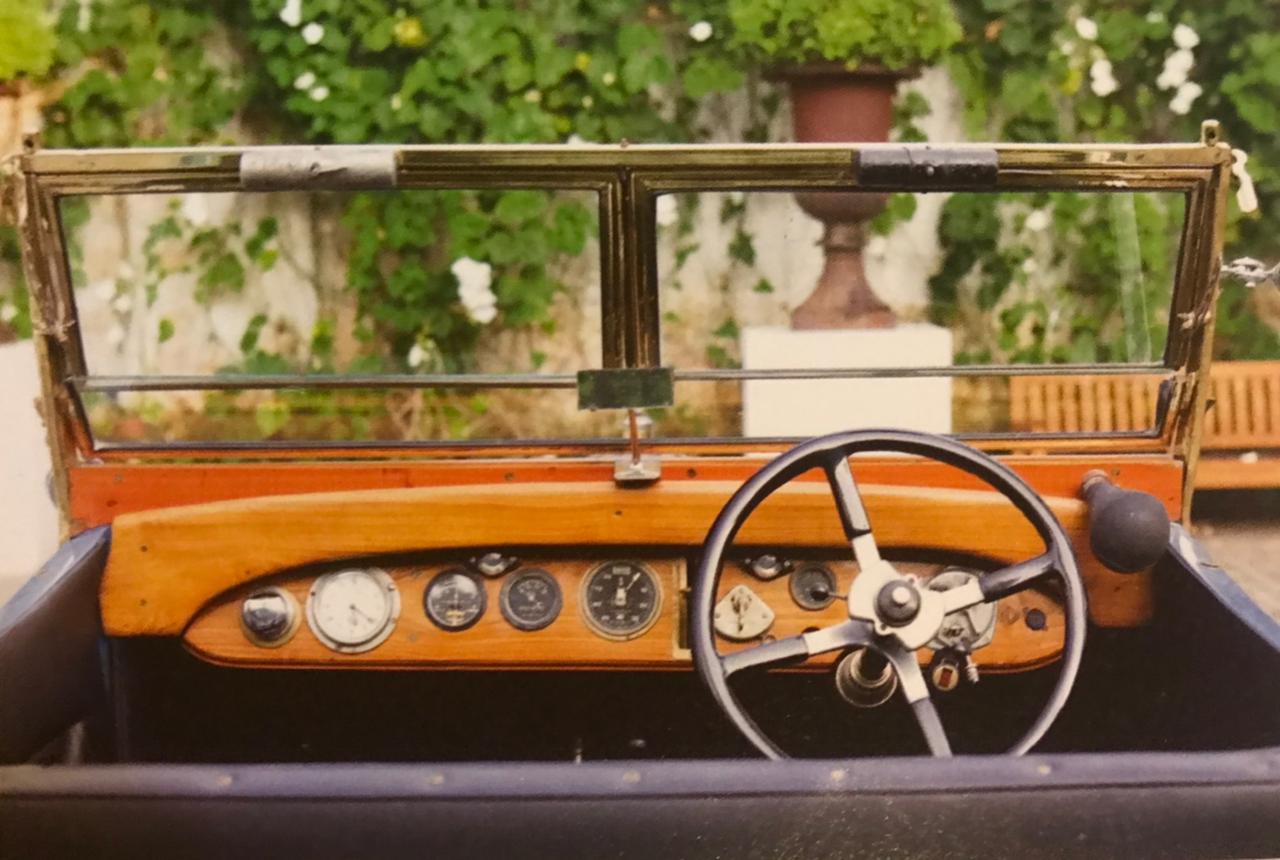
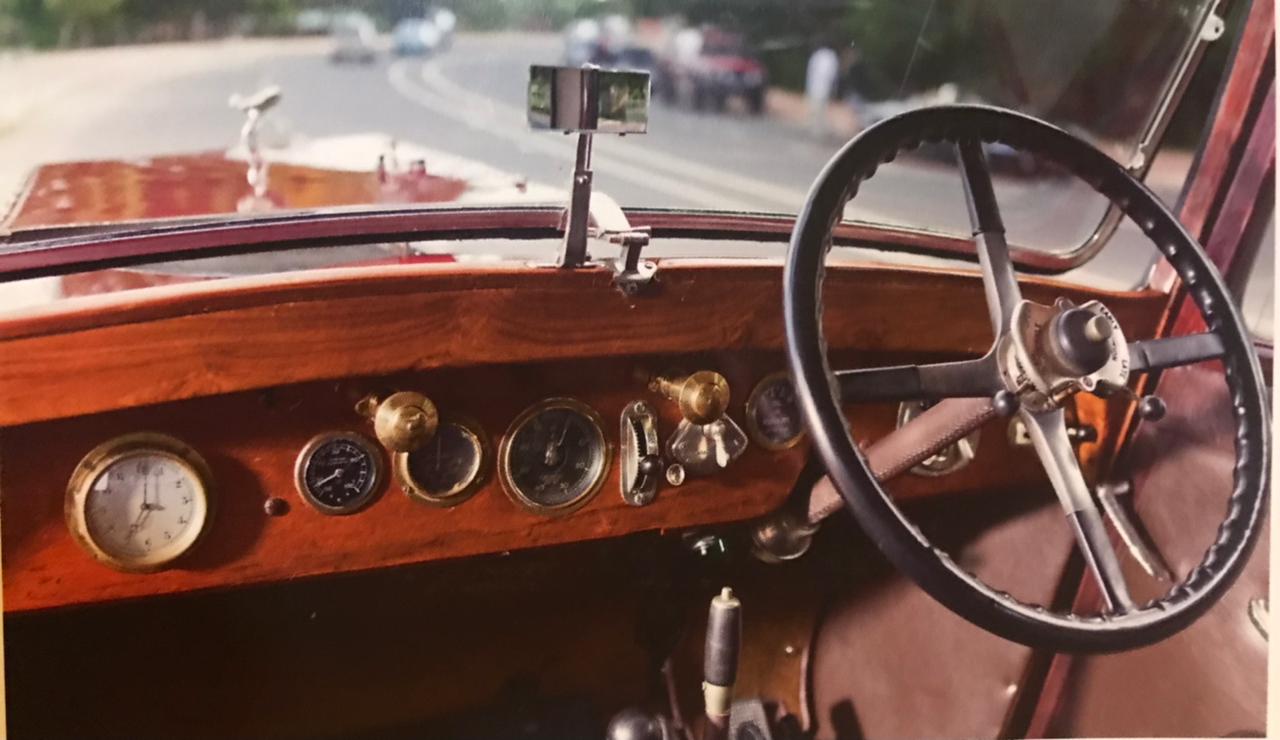
The Rolls-Royce company emerged in 1904 over a particularly successful lunch between engineer Henry Royce and Charles Rolls, owner of the first car dealerships. Renowned for its smoothness and exacting standards of build quality it soon bore the legend of being 'the best car in the world' identified by a majestically vertical grill and the Spirit of Ecstasy flying lady mascot atop it. The 20HP was known as the 'baby' Rolls- Royce and was aimed at the professional middle class of doctors, solicitors and businessmen. This particular example, chassis No. 46 G9, was a trials car run by the Sales Departments of the Rolls-Royce company. It passed through Ceylon in the 1920s and its records indicate that it was eventually delivered to one C.R. Scott in the UK. most cars of the era, Rolls-Royce provided the chassis and it would be adorned in numerous body styles by a As per variety of coachmakers: Park Ward, Barker & Co., Hooper & Co., T.H. Gill, Joseph Cockshoot & Co., Thrupp & Maberly, Windowers and H.J. Mulliner being the most well known. This car featured an open touring body by Hooper & Co., with Connolly antique leather and was featured in the Motor magazine in the UK in 1925. It now resides in Sri Lanka and was restored in 2007 through a comprehensive effort as only the original engine and chassis were available with no radiator. The restoration involved locating original parts strewn across the country (some found as far as Batticaloa) and turning out body panels locally through samples and measurements of the original.


Peugeot Quadrillette

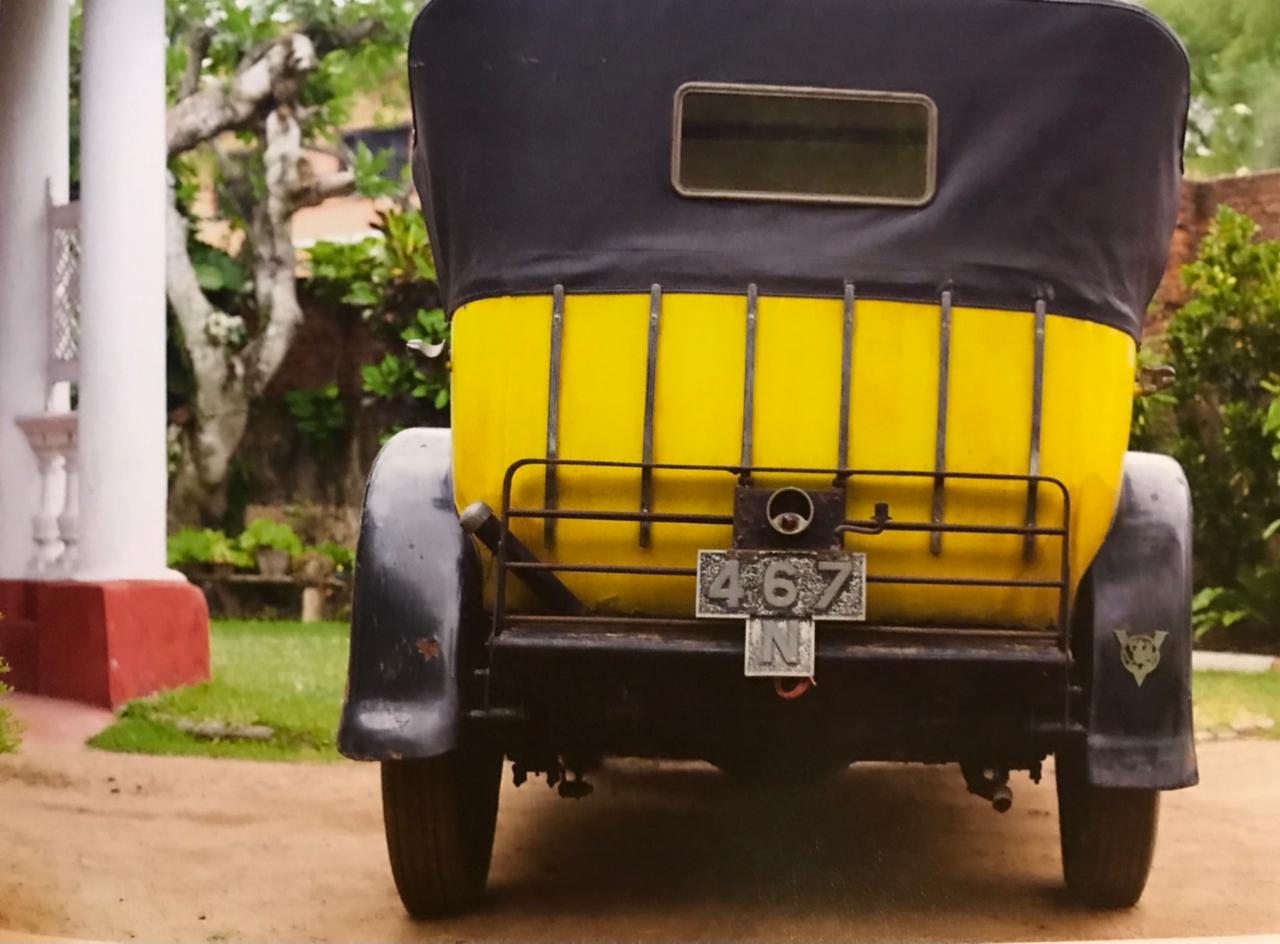
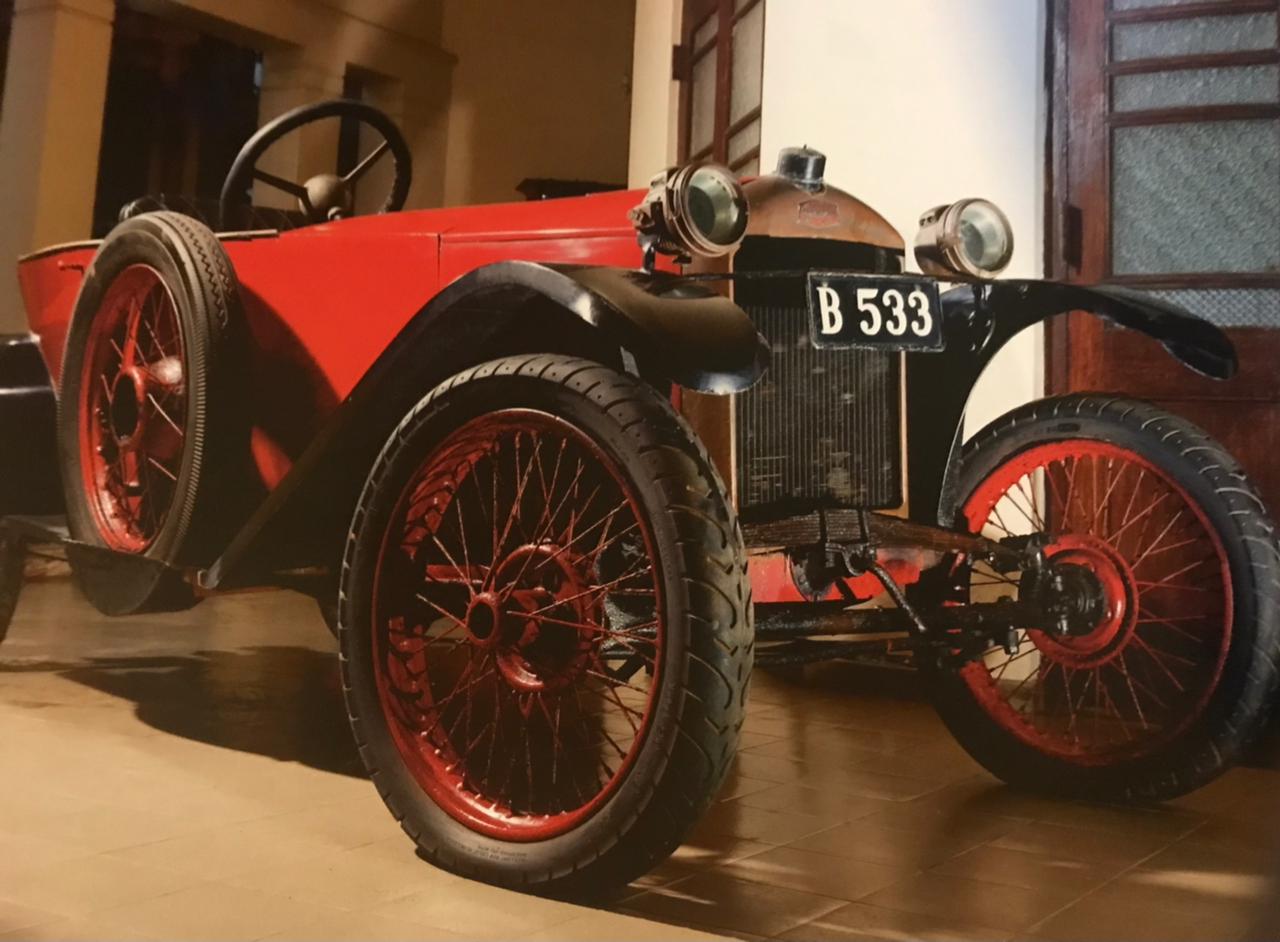
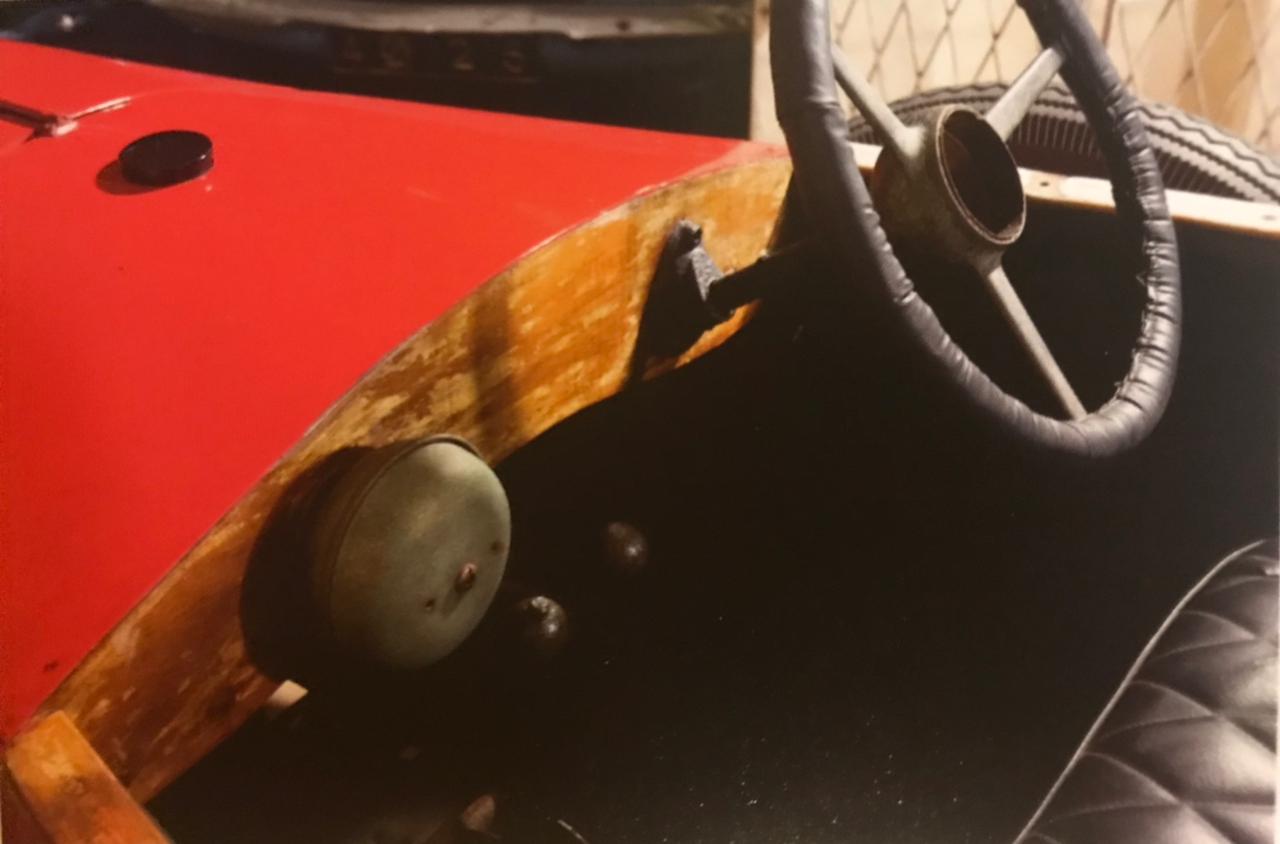
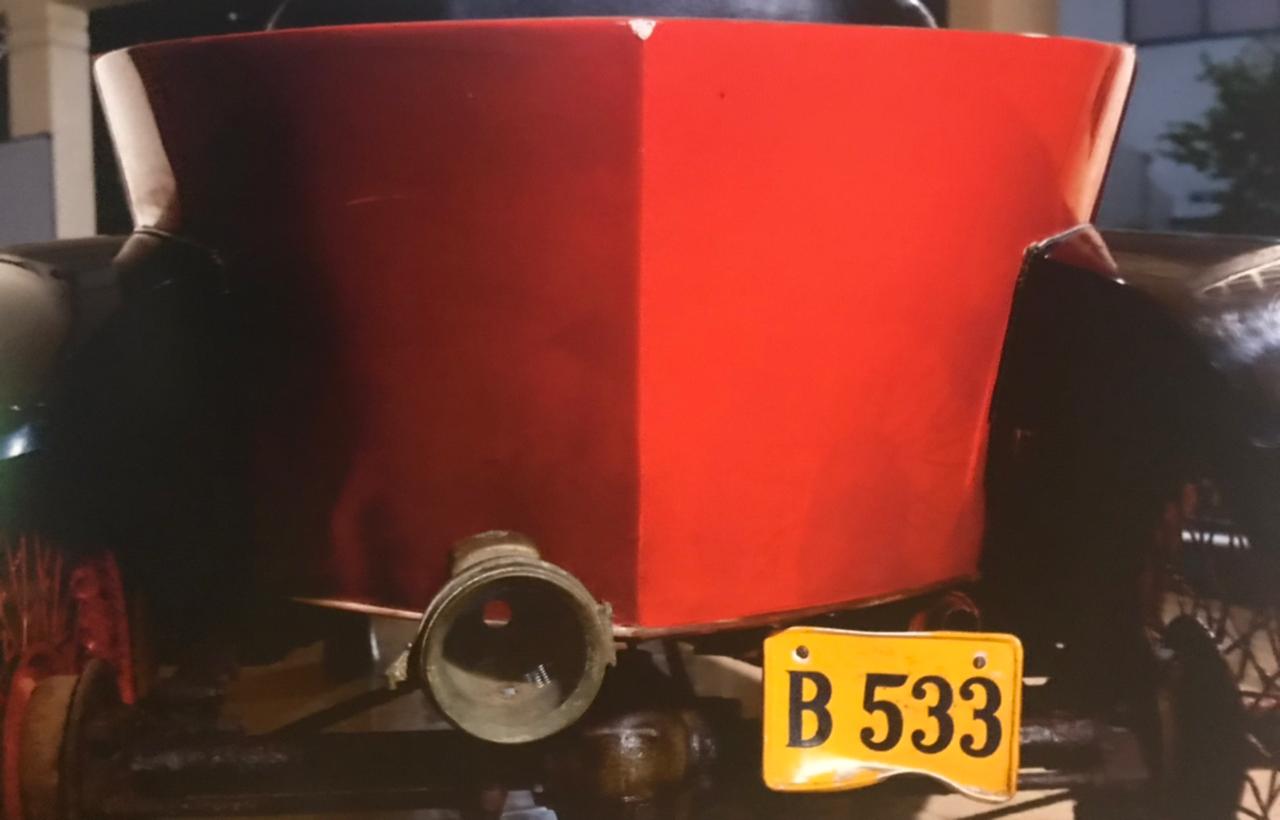
Peugeot was a family concern first established over 200 years ago in France which owned a foundry and built water mills. They had a long successful career as ironmongers and manufactured many household items. It went on to produce bicycles in the 1830s and then motor cars in 1882. The first Peugeot car was a steam powered car built with the help of Leon Serpollet. Armand Peugeot was convinced of the potential of the internal combustion driven motorcar having met Gottlieb Daimler in 1890. Initial Peugeots were sophisticated compared to contemporaries and some competed successfully in motor racing. They produced 'Baby' cars from 1900. and in 1920 they presented a mini car to succeed the Bebe and this model was called Quadrillette. The Type 161 was introduced when fuel prices were very high. The Type 161 was succeeded in 1922 by the similar Type 172. The Type 172 featured here was first imported in 1924 by Henry Anthony Rodrigo and thereafter owned by Lal Rodrigo from 1954, both hailing from Panadura. The latter was a popular figure in vintage motoring circles having owned a 1924 Rolls-Royce and the 1923 Peugeot Quadrillette. He took part in rallies in Kandy, Anuradhapura and Jaffna and drove the car to Anuradhapura. Following Lal Rodrigo's demise in 1978, the car was eventually purchased by Ruwan Fernando in 1997 who rescued it from a fairly derelict state and restored it over 18 months. Of the 65 Peugeot cars imported into Ceylon upto the end of 1930, this car B-533 is the only survivor.


Rolls - Royce 100

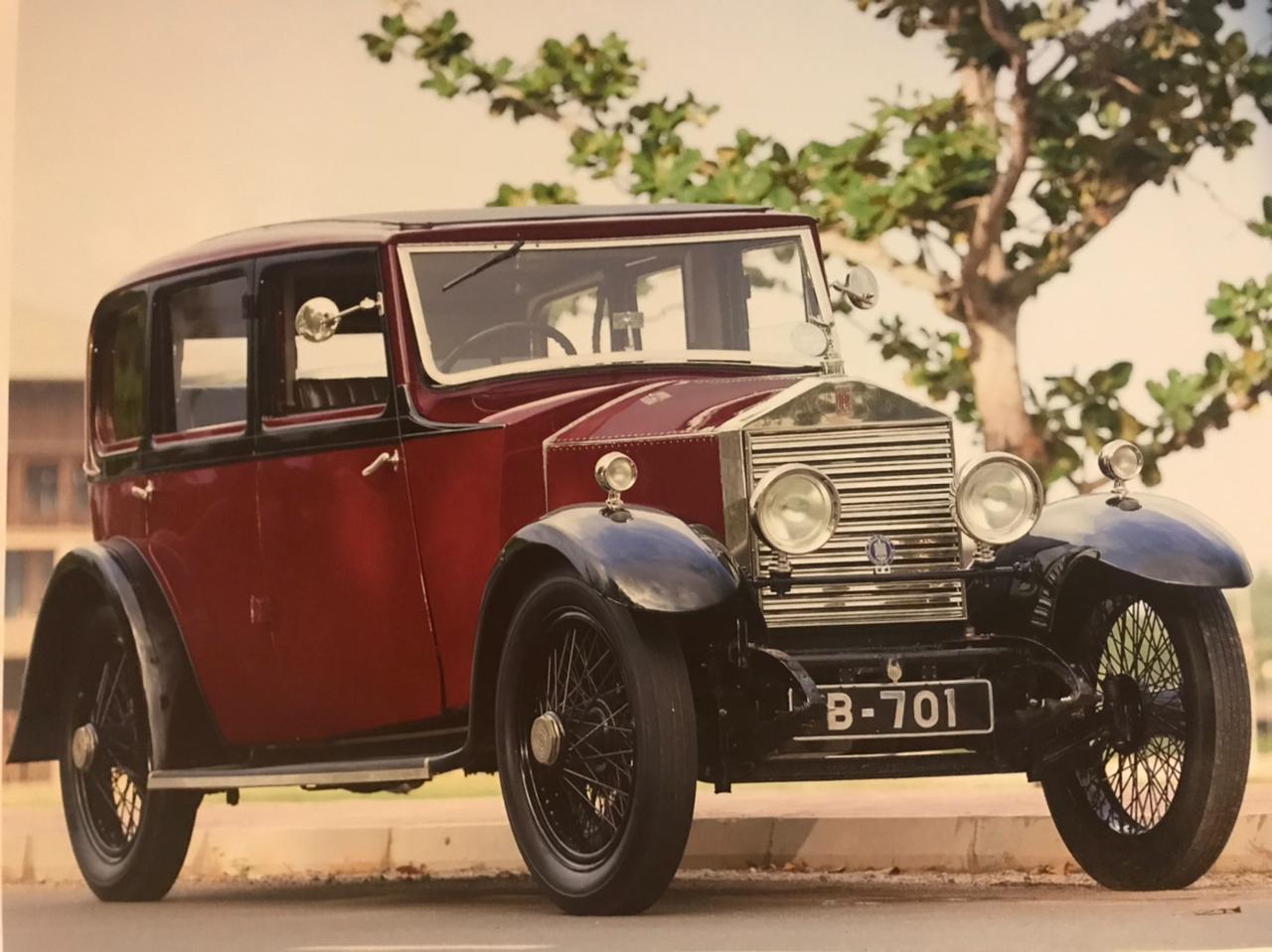
The 20HP 'baby' Rolls-Royces were produced between 1922 and 1929. The first 1,239 20HP chassis featured a three speed centrally mounted gearbox as per the 1924 model featured here. After 1925 a four speed right hand gearbox was fitted. The 20hp model became a special favourite of India's princely rulers. The car featured here was first owned by well known philanthropist and founder of the leading girl's school, Visakha Vidayalaya, Mrs. Jeremias Dias of Panadura, paying the princely sum of Rs.35,000/-at the time. In 1904, the car was placed at the disposal of Rabindranath Tagore, the acclaimed Bengali Nobel laureate, polymath, poet and song writer on the occasion of his visit to Ceylon to lay the foundation stone for the Sri Palee College in Horana. The car passed to her grandson Lal Rodrigo in 1946, who also owned the Peugeot Quadrilette 172 featured in this book. After his demise in 1938 the car fell upon a period of neglect for over 25 years. However in 1999 a relative, Ajith Dias purchased the car and embarked on an enviably thorough restoration. The Joseph Cockshoot body with the attractive vee-fronted windscreen was replaced with one from a 20hp car of later vintage from the UK. Accordingly, registration number B-701 has the unique position of having remained in the ownership of the same family for nearly 90 years


9 Graham Paige Model 612

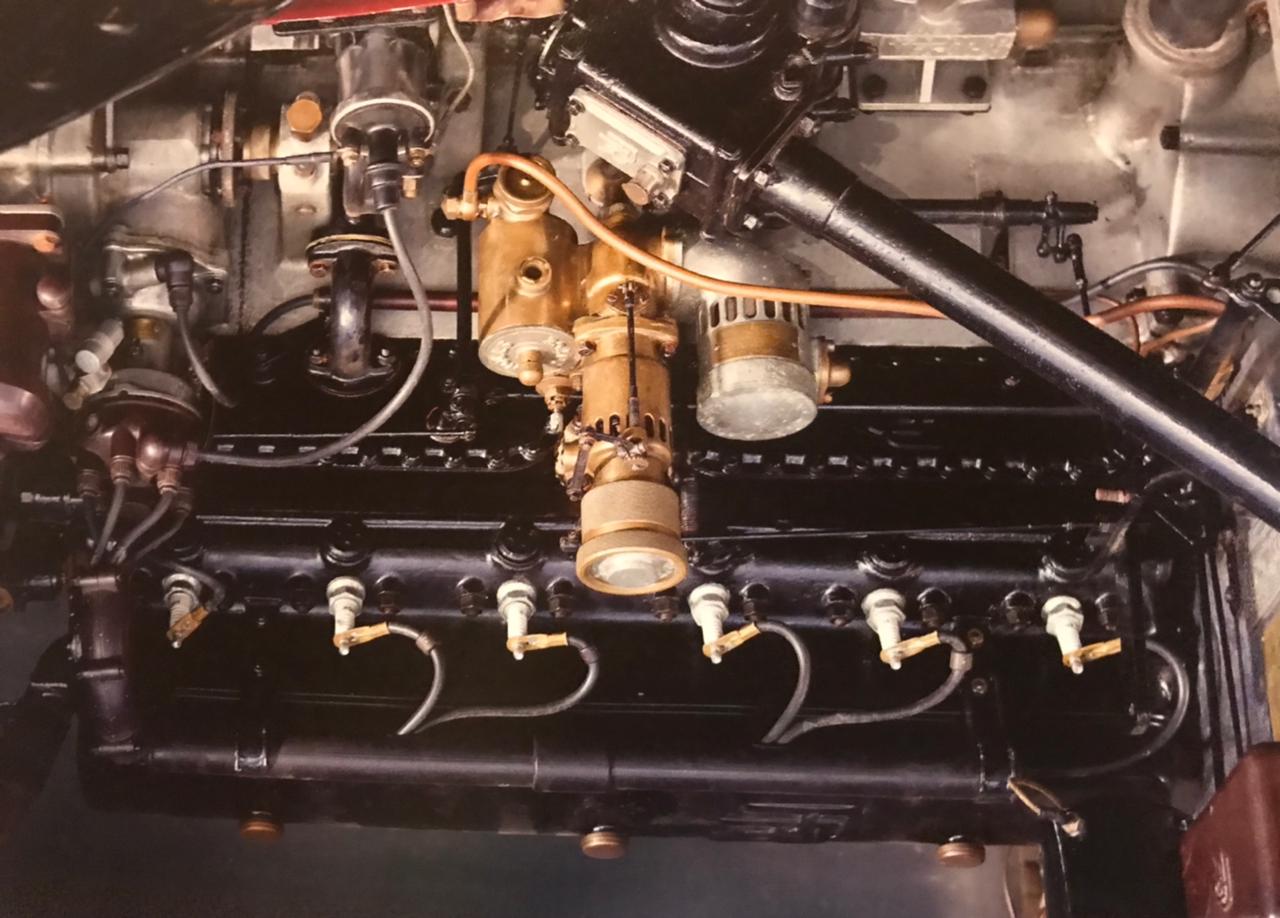
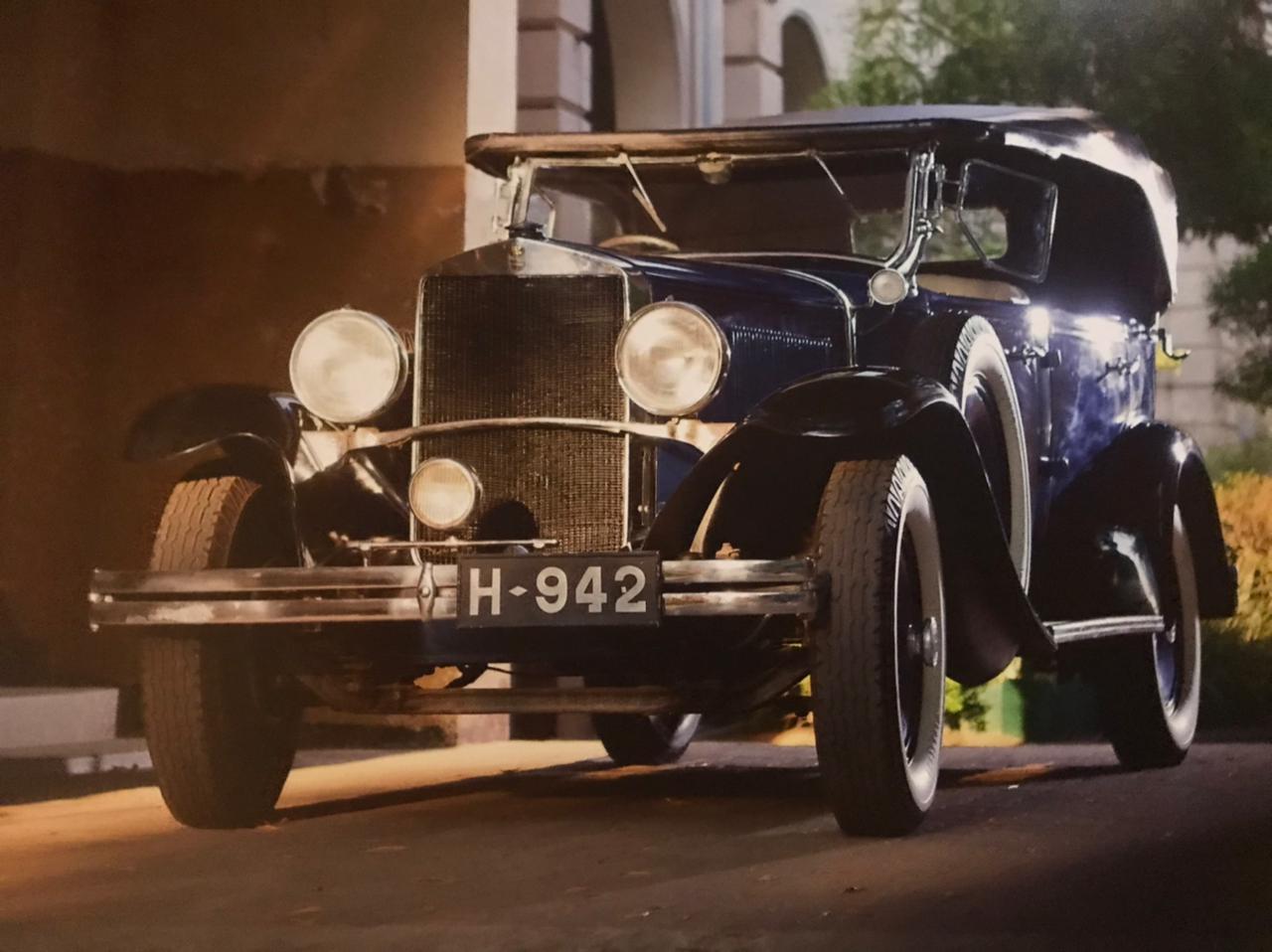
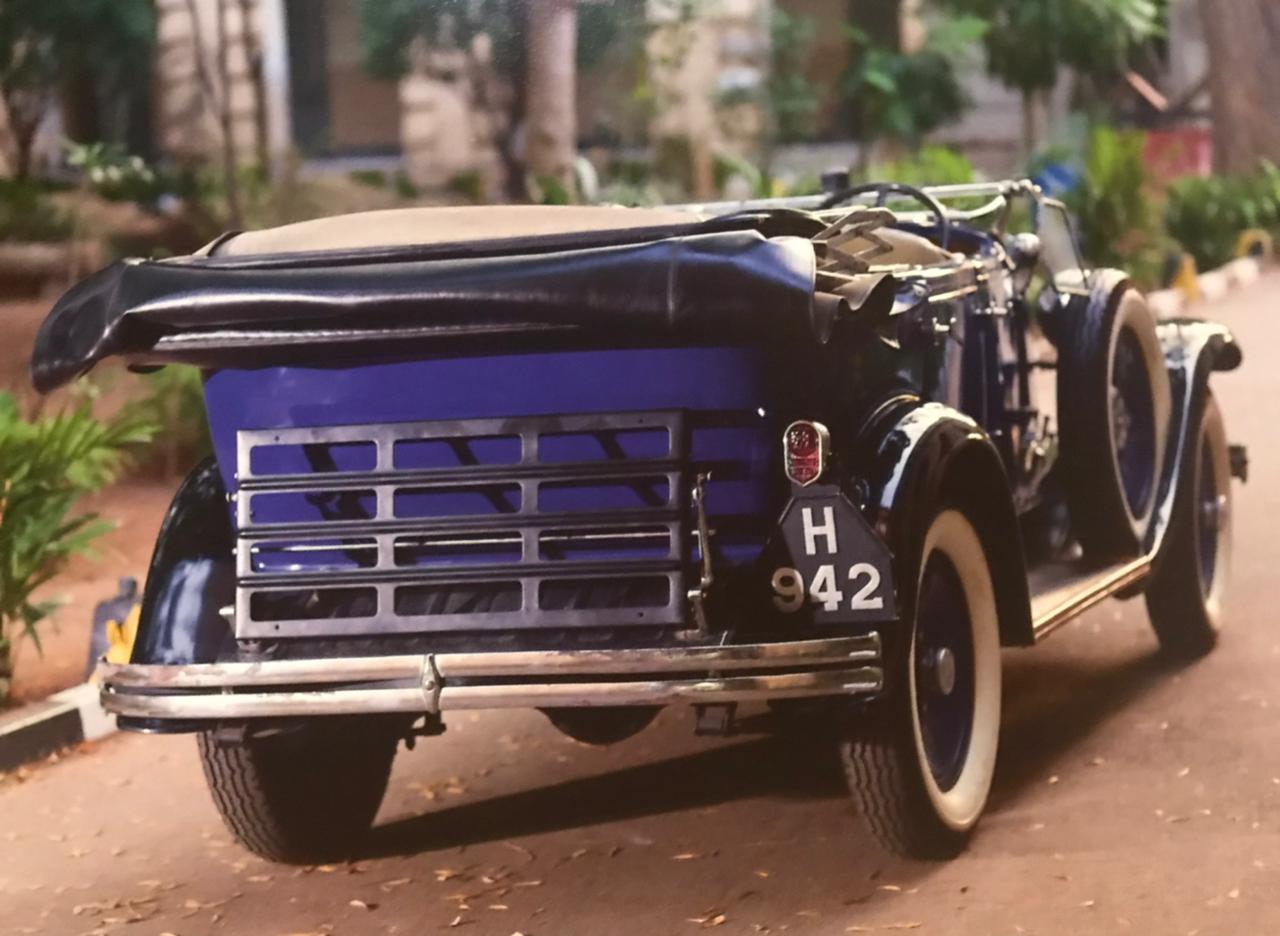
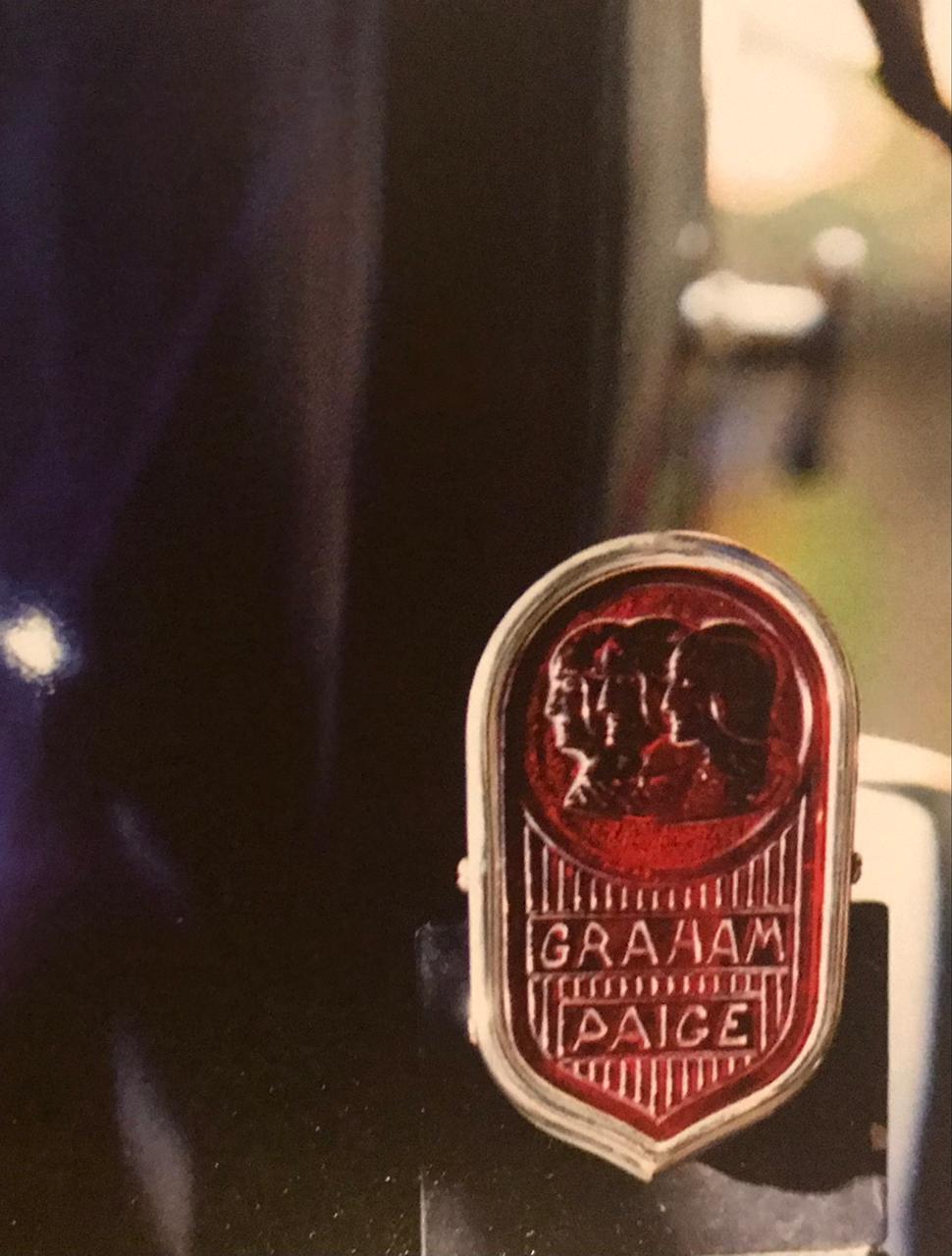
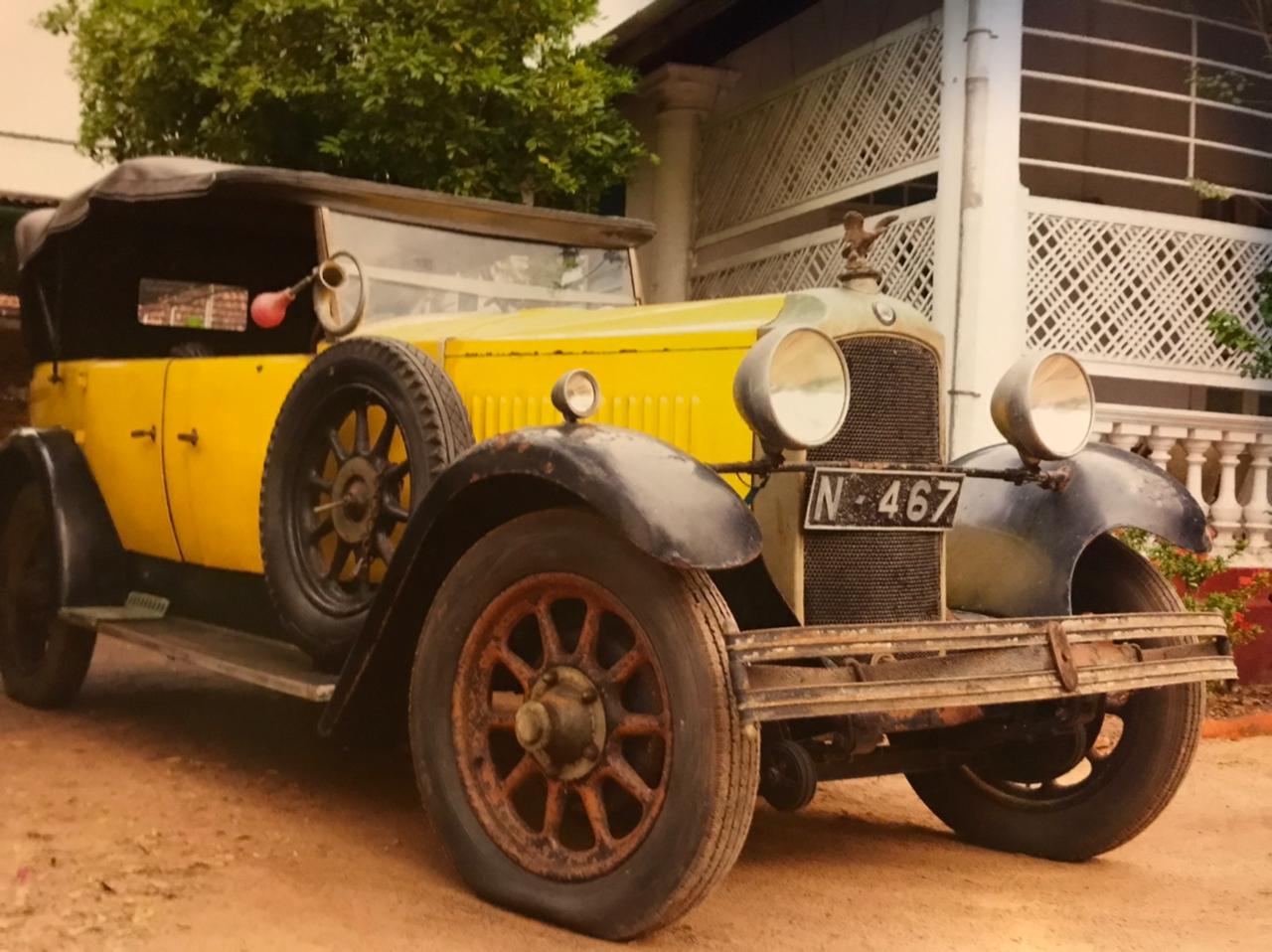
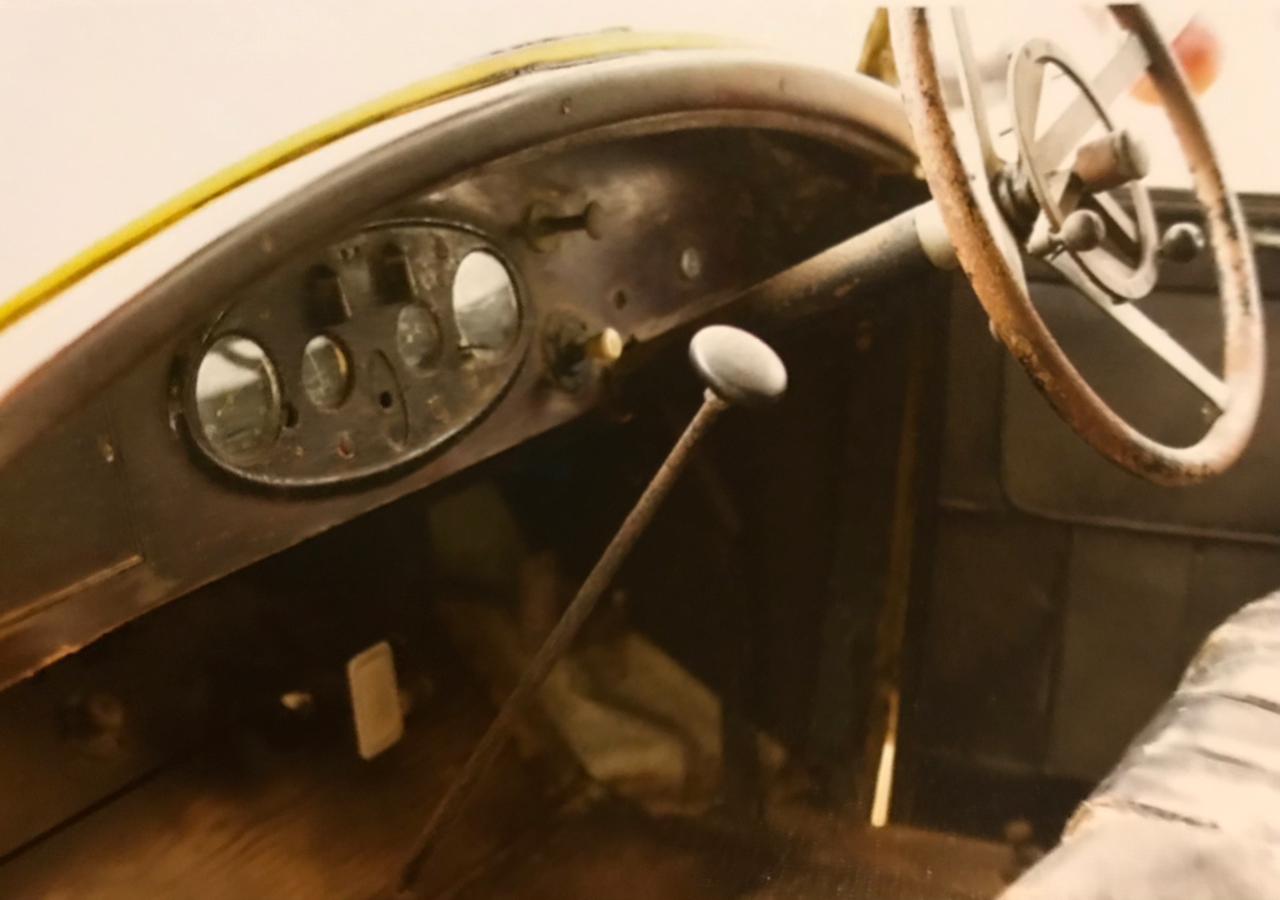
he Graham Paige marque was founded by brothers Joseph and Robert Graham and Ray Austin in 1927 when they purchased the Paige-Detroit Motor Company, makers of Paige and Jewett automobiles. Cars were made in Evansville, Indiana, USA and were launched with four 6-cylinder engines and one 8-cylinder engine on a variety of chassis. The cars earned a reputation for quality, along with some racing success. The post-Depression era was not kind to the company and a series of legal and sales difficulties brought the company to a halt in 1962. The 612 was offered in many body styles. The one featured here is a 4-door touring body. A 6-cylinder engine gave effortless performance for this car in its original habitat in the Jaffna Peninsula (H registrations were allocated to the Jaffna District). This car was owned and used by the Christian church hierarchy in Jaffna. It had several owners and at one point was deployed in a 'bus' fleet between Eppawala and Anuradhapura. Premasiri Sumanasekera bought the car in 1985 'in four boxes' and restored it with his son, the current owner, Prabodha. Graham Paige models proved popular in Sri Lanka and the 1930 blue book lists 242 units in the country. This is the only remaining car in Sri Lanka and one of a handful left in Asia.


Morris Cowley

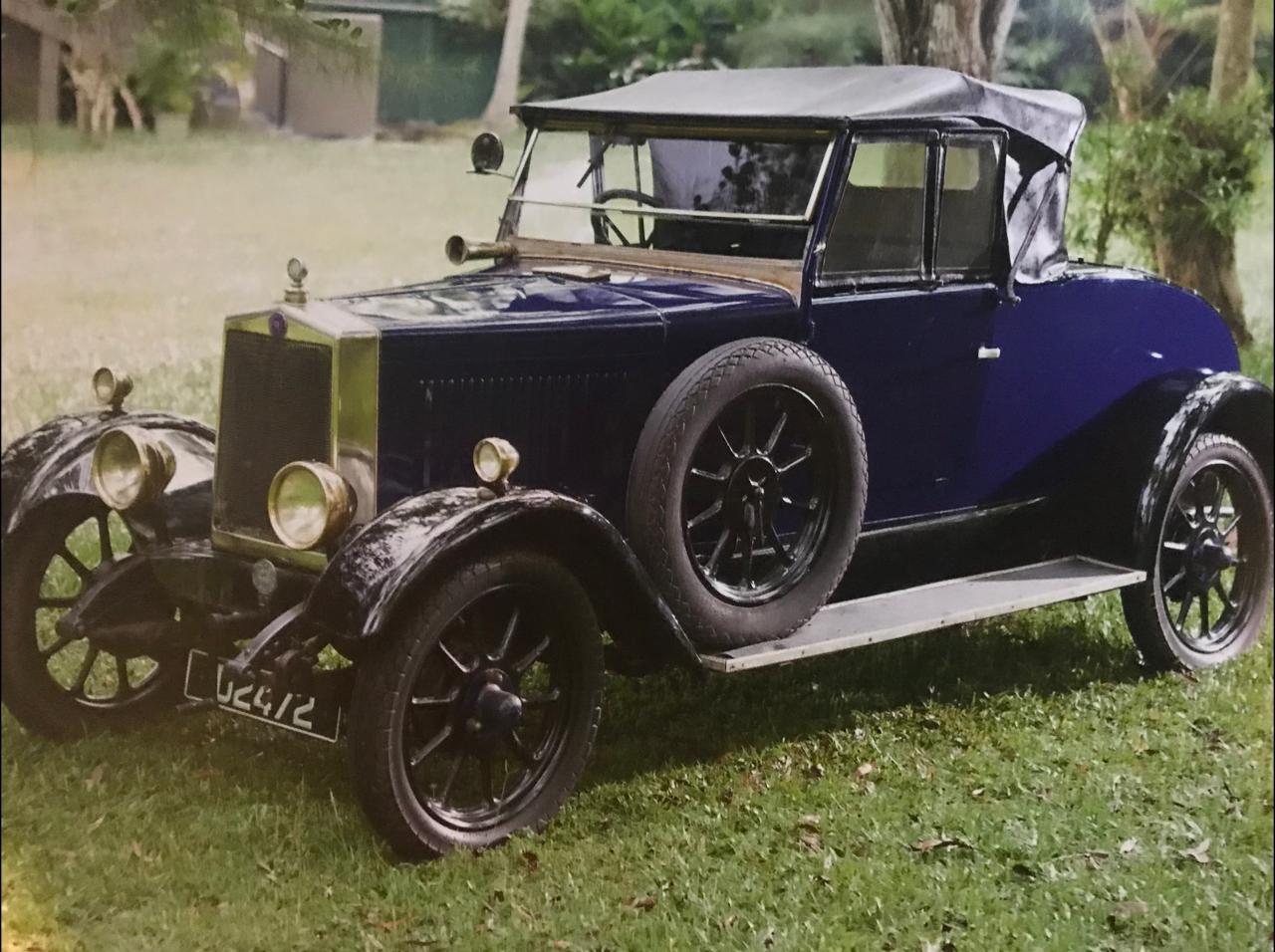
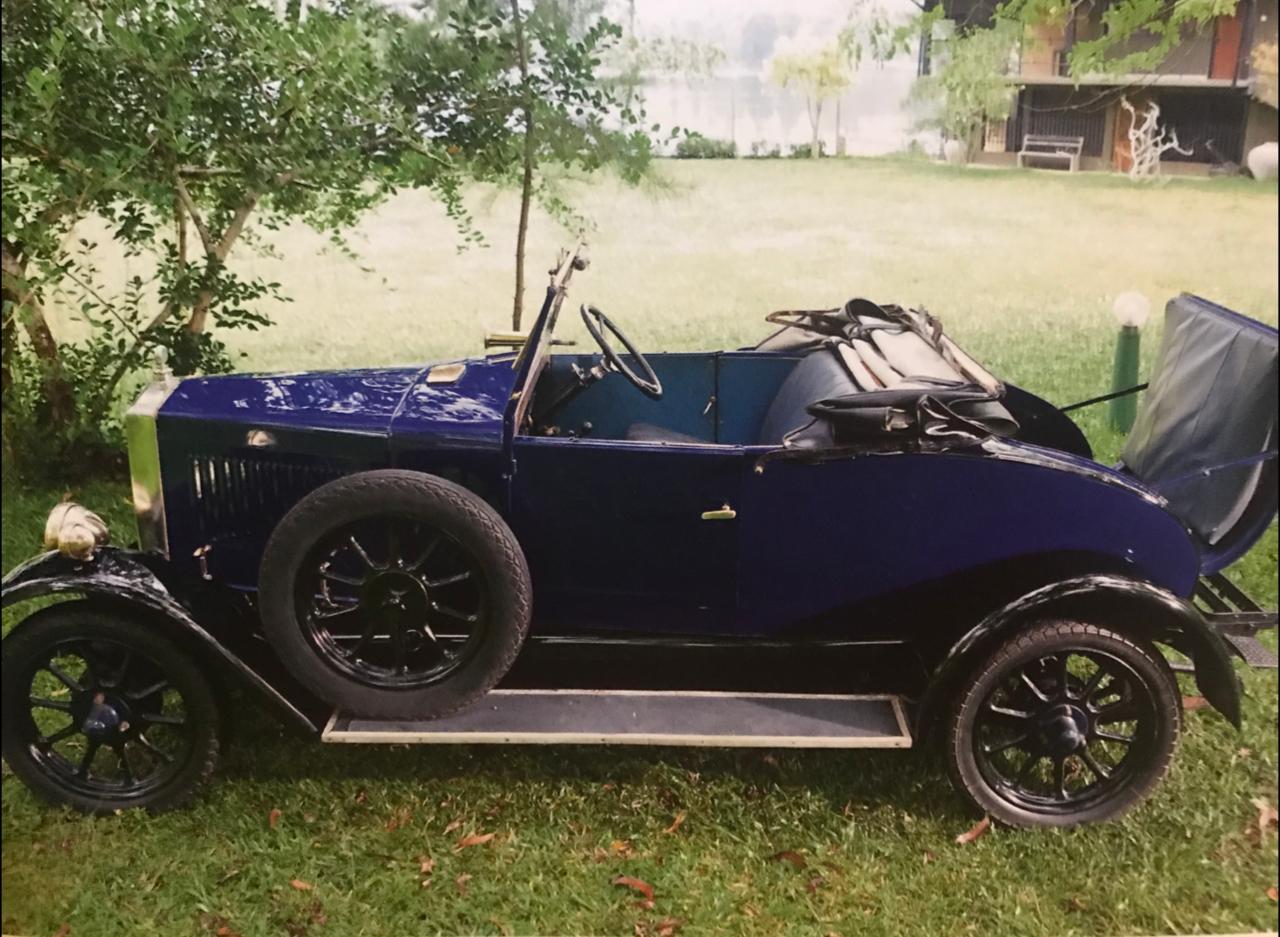
W.R. Morris Motors Limited was founded in 1912 by bicycle maker William Morris when he turned his attention to light motor vehicles which used components bought in from other manufacturers. He began to buy up his component suppliers and in 1927 he acquired another car maker, Wolseley. The original Morris, the much loved Bullnose was distinguished by its rounded, bulbous radiator style. The staple Morrises were the Cowley and Oxford. In 1927 Morris produced the 'Flatnose' radiator. The 'Bullnose' was considered the Ford Model T of England to provide 'motoring to the masses'. The Morris marque remained until 1984. This 1928 Morris Cowley coupe was owned by Dr. N.D.J. De Silva of 'Collingwood', Nuwara Eliya. The car spent a considerable part of its life as a fixture on Nuwara Eliya roads. Dr. De Silva and his British wife were said to be reliably seen every Wednesday travelling to catch the latest movie showing at the Regal Cinema in the town. The good doctor was a fan of the marque who at the time of his passing owned two other Morris cars, a 25hp and a Mini Minor. He is said to have enjoyed driving the Cowley even up until a ripe old age where his manservant, travelling in the 'dicky' seat at the rear, would be at hand to emerge at the more taxing bends of Nuwara Eliya's winding roads to assist in steering duties. The car was gifted to his nephew-in- law, Freddie Alles, in 1975 who had relished restoring the paint of the car by hand using an old refrigerator painting compressor.


Vauxhall 20-60

Founded in 1857 as Alex Wilson and Company in Vauxhall, London, the company began with building pumps and marine engines. It changed its name to Vauxhall Iron Works in 1897 and its first car was built in 1903. Initial models were very sporting, achieving success at Brooklands and various reliability trials. They were also very expensive luxury cars and cost as much as a Rolls-Royce. Vauxhall was acquired by General Motors in 1925 and the company turned to more mass market models. The British press and public bemoaned the 'Americanisation' of the brand, but one last large sporting car model, the Vauxhall 20/60 was produced. It was offered in a range of body types from short wheelbase tourers to a long wheelbase limousine. The featured car was first registered in Ceylon in 1929 by one Walimitigoda Hewage Podisingho of Galle. It remained in Galle within likely the same family until 1967 when it was transferred to Janaki Goonetilleke of Mount Lavinia. It was then purchased in 1970 by possibly its most illustrious owner, C.I. Gunasekara of Dickmans Road, Colombo 5. An excellent sportsman and engaging personality of his era, he captained the Sri Lankan cricket team and was an avid vintage car enthusiast, The car was restored from a derelict state fitting a new engine gifted by a Vauxhall owner in New Zealand.


Fiat Model 514

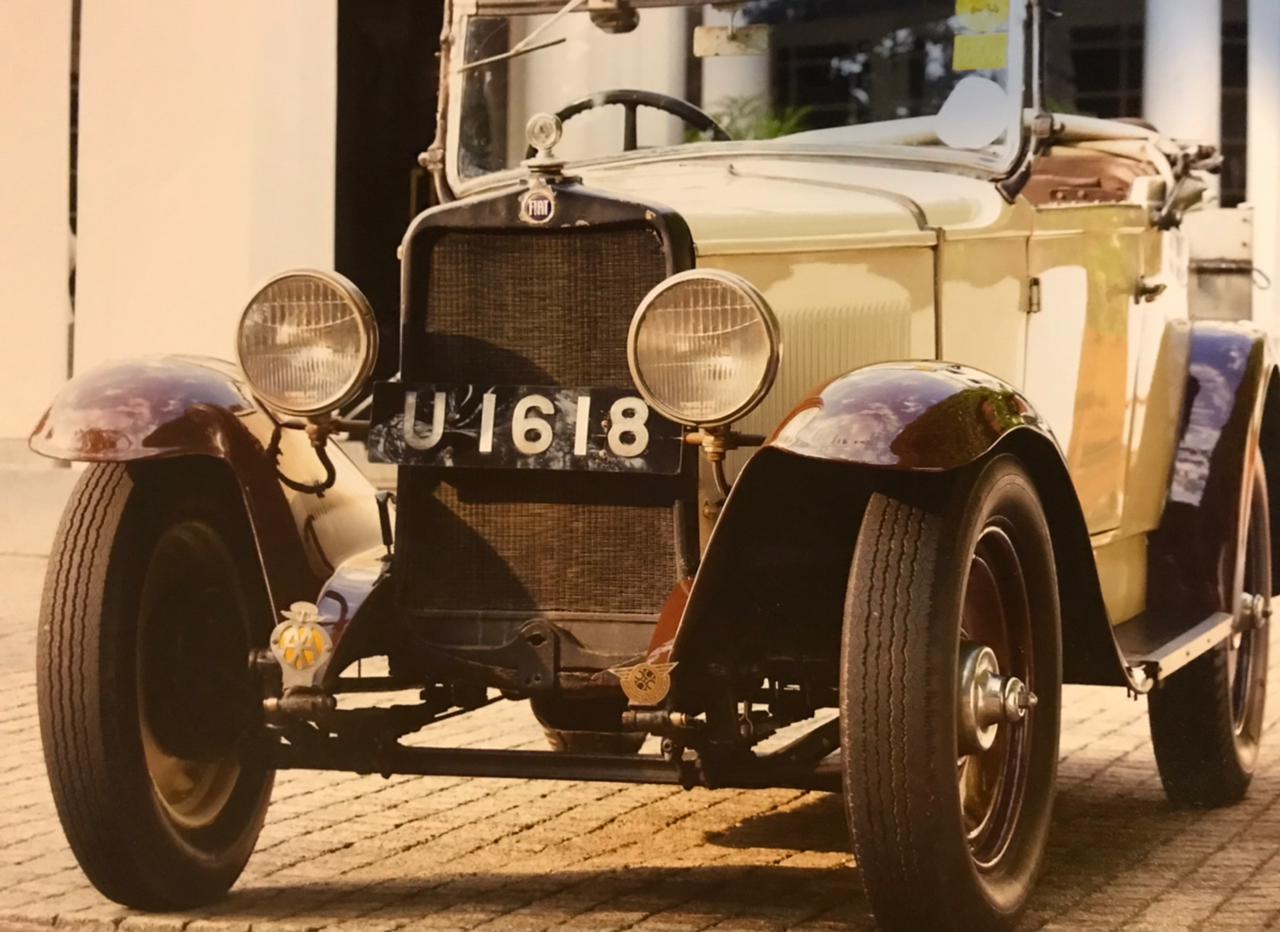
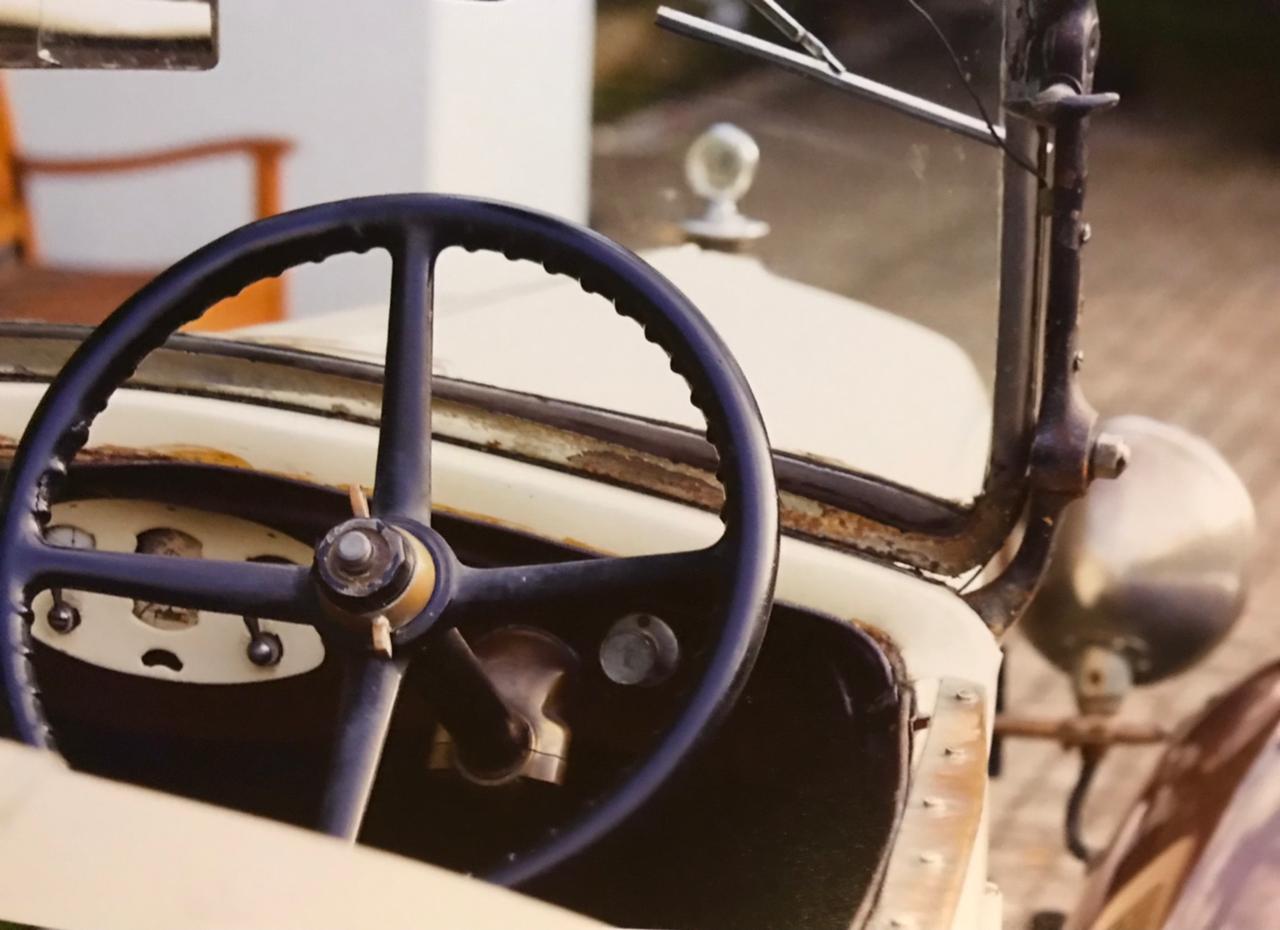
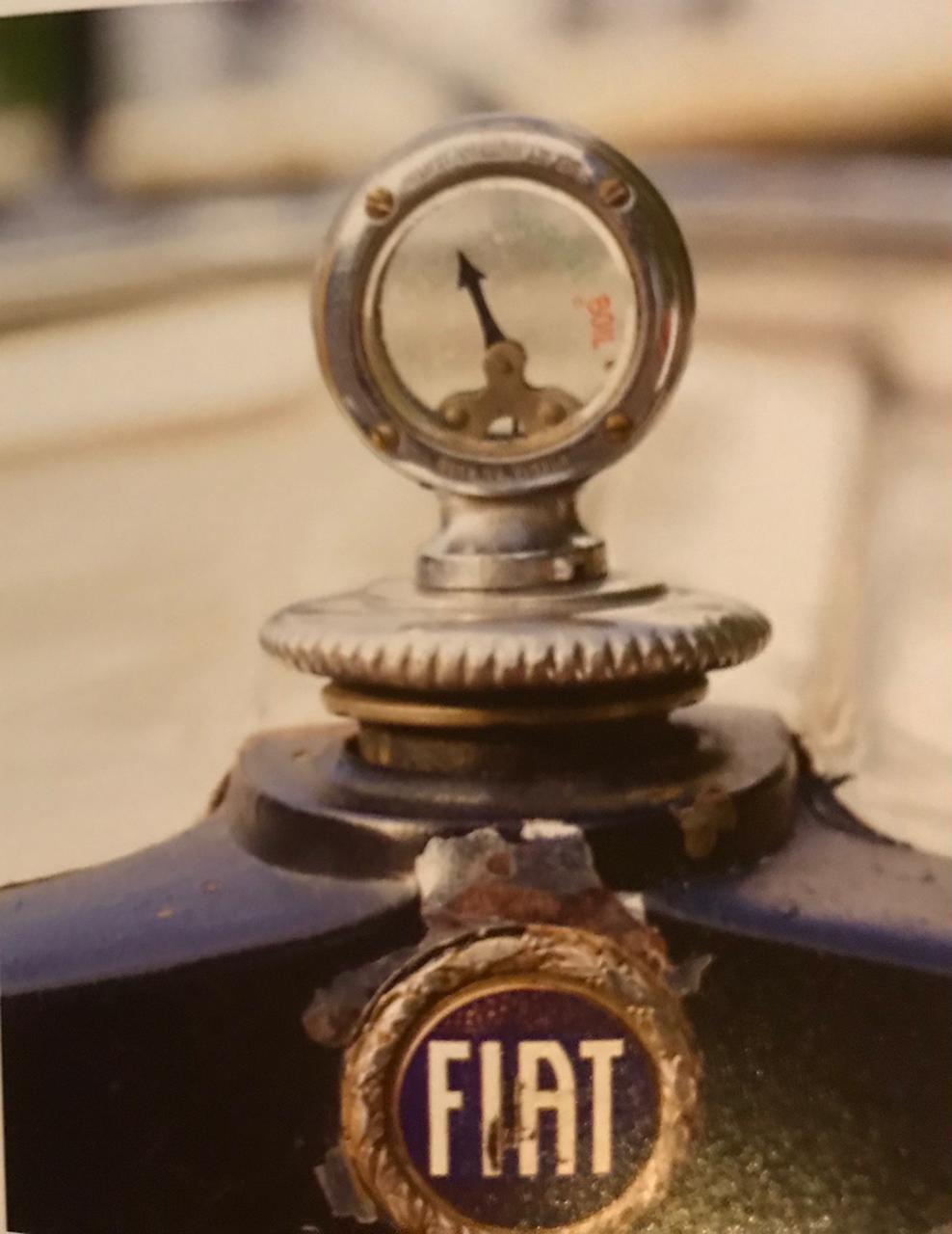
Fabrica Italiana Automobili Torino (FIAT) was formed in 1899 in Turin, Italy by a group of investors including Giovanni Agnelli. The first Fiat branded car was a 2-cylinder boxer 3hp carriage type vehicle in 1901. The engine sizes grew from there, initially using Mercedes technology. Fiat went onto become one of the largest automotive groups in the world, producing trains, aircraft and military vehicles in addition to automobiles. They produced numerous automobiles of different types and sizes which were soon to be extremely popular. Fiat have also produced some of the most significant and influential cars in automotive history including the legendary 500 Topolino of 1936, which was succeeded in 1955 by the '600'. From 1929 to 1932 they introduced Model 514 in different body styles to replace the earlier Model 503 four door sedan and cabriolet. The featured car is a 1929 Fiat Model 514 Tourer, 2-Door, 2-Seater with Dickey-seat with the registration number U-1608. The letter 'U' represented cars registered in the Badulla district. The current owner, who is the President of the classic car club and a leading race car driver purchased the car in 1998 from Winslie Rodrigo. It is one of the oldest Fiats in the country.


BSA S29

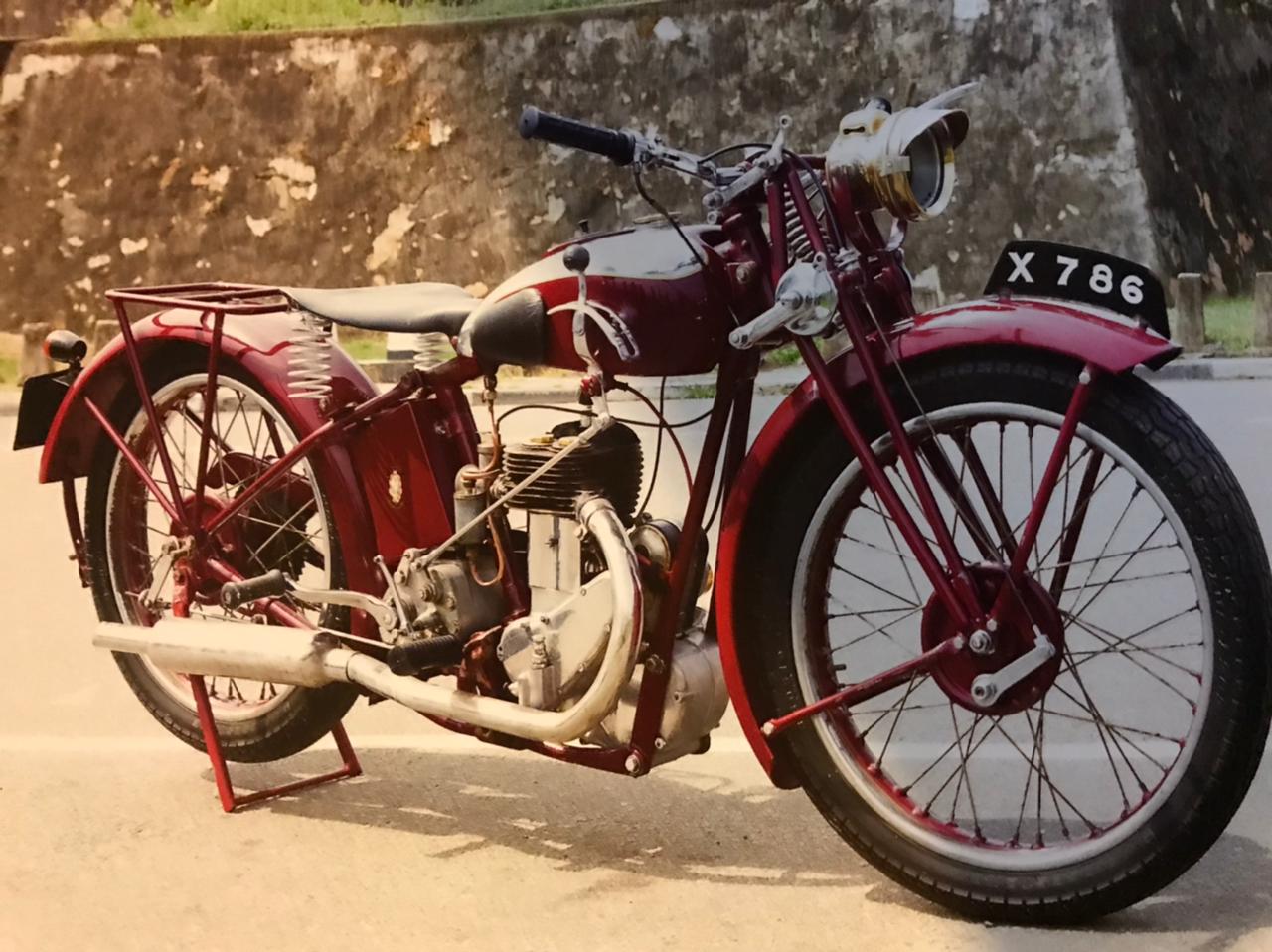
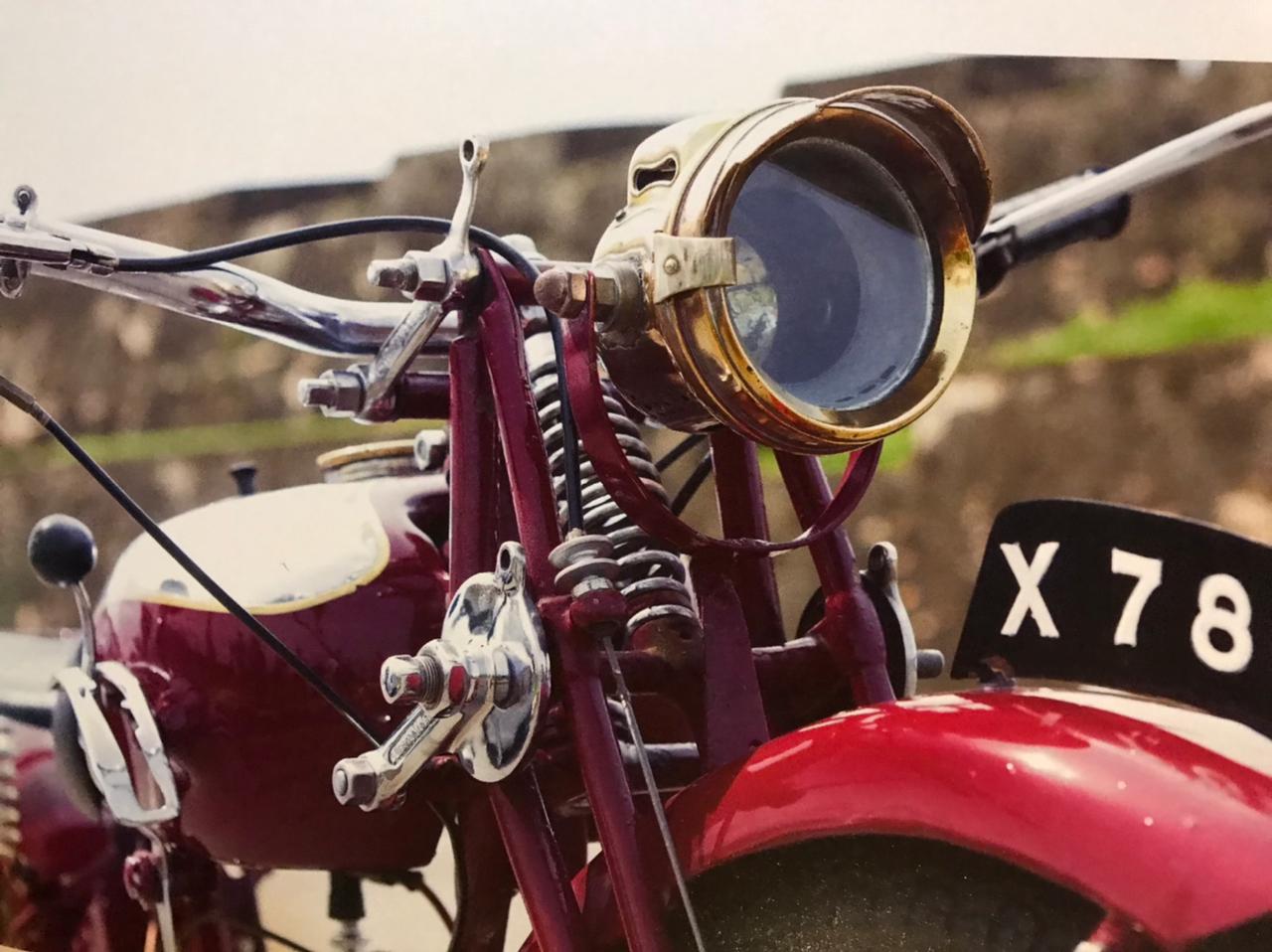
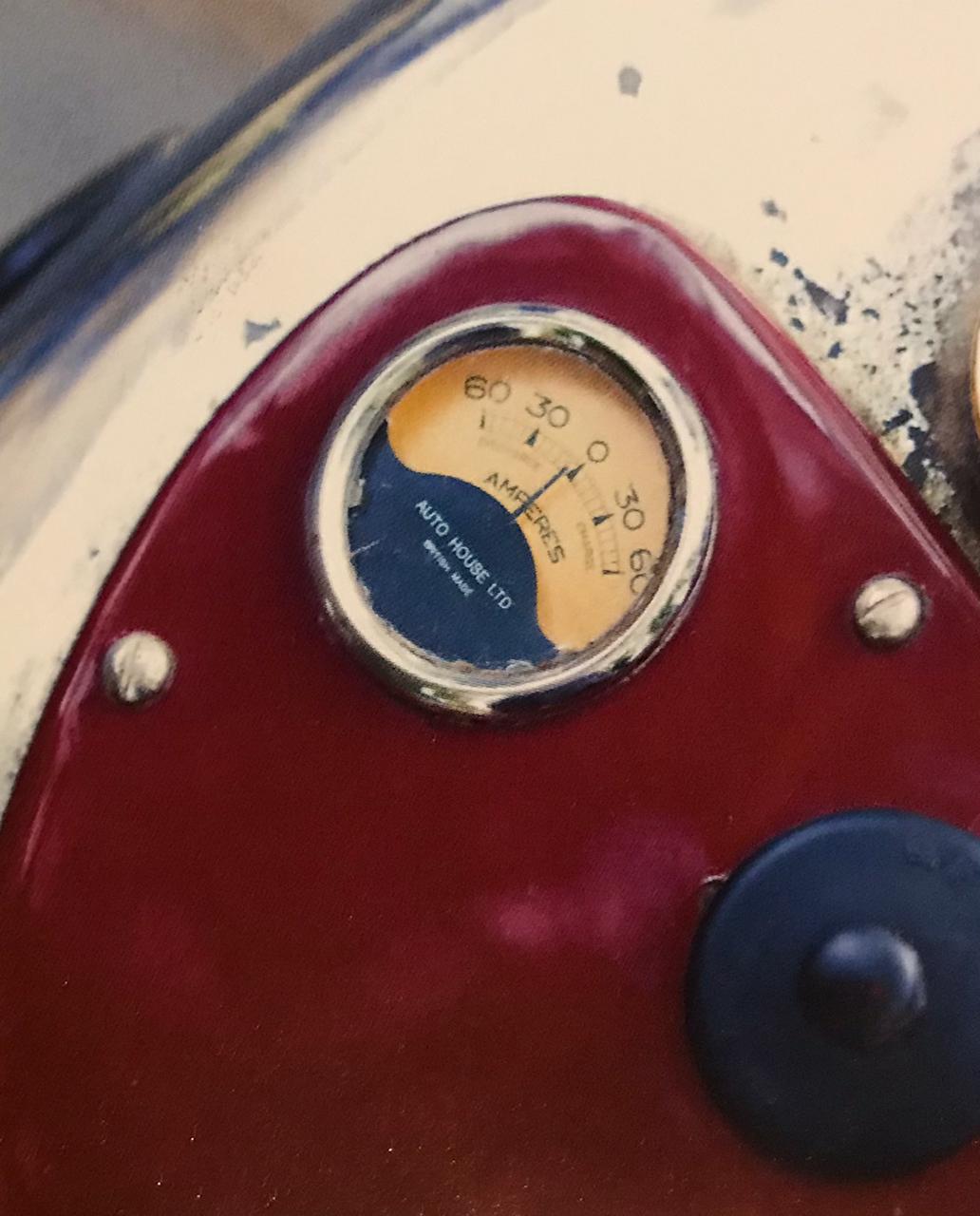
The Birmingham Small Arms Company (BSA) was established in 1861 for the mechanized manufacture of guns. It went on to become a British industrial juggernaut producing everything from military and sporting guns, cars, bicycles, motorcycles and industrial machinery until its demise in 1979. BSA Motorcycle manufacture started in 1919. For a while the company had been producing bicycles, so when the requirement for arms slumped and the factories were laid up, motor-bicycles was seen as the way out At the Cycle and Motor Show in 1919 the BSA 3½ hp motorcycle made its and the company's motorized two-wheeler debut. The S29, also a 3½ hp, began life in 1929. The Company went on to produce a range of motorcycles and in the Second World War created a lightweight foldable motorcycle for use by Allied paratroopers. Post-war, the delightful BSA Bantam, a 2-stroke small capacity motorcycle, in essence a German DKW design, soon became synonymous with postal and telegraph organizations in a number of Commonwealth nations. X-786 arrived in Ceylon in 1929. After a period disuse, BSA S29 X-786 came into loving hands of Tillney Peiris (one-time Assistant Commissioner of the Motor Traffic Department of Ceylon), a pioneer in bringing vintage cars and motorcycles back to life. The bike went some years later to Farih Fauz, the founder president of the Vintage Car Club of Sri Lanka and is now part of the Akbarally collection.