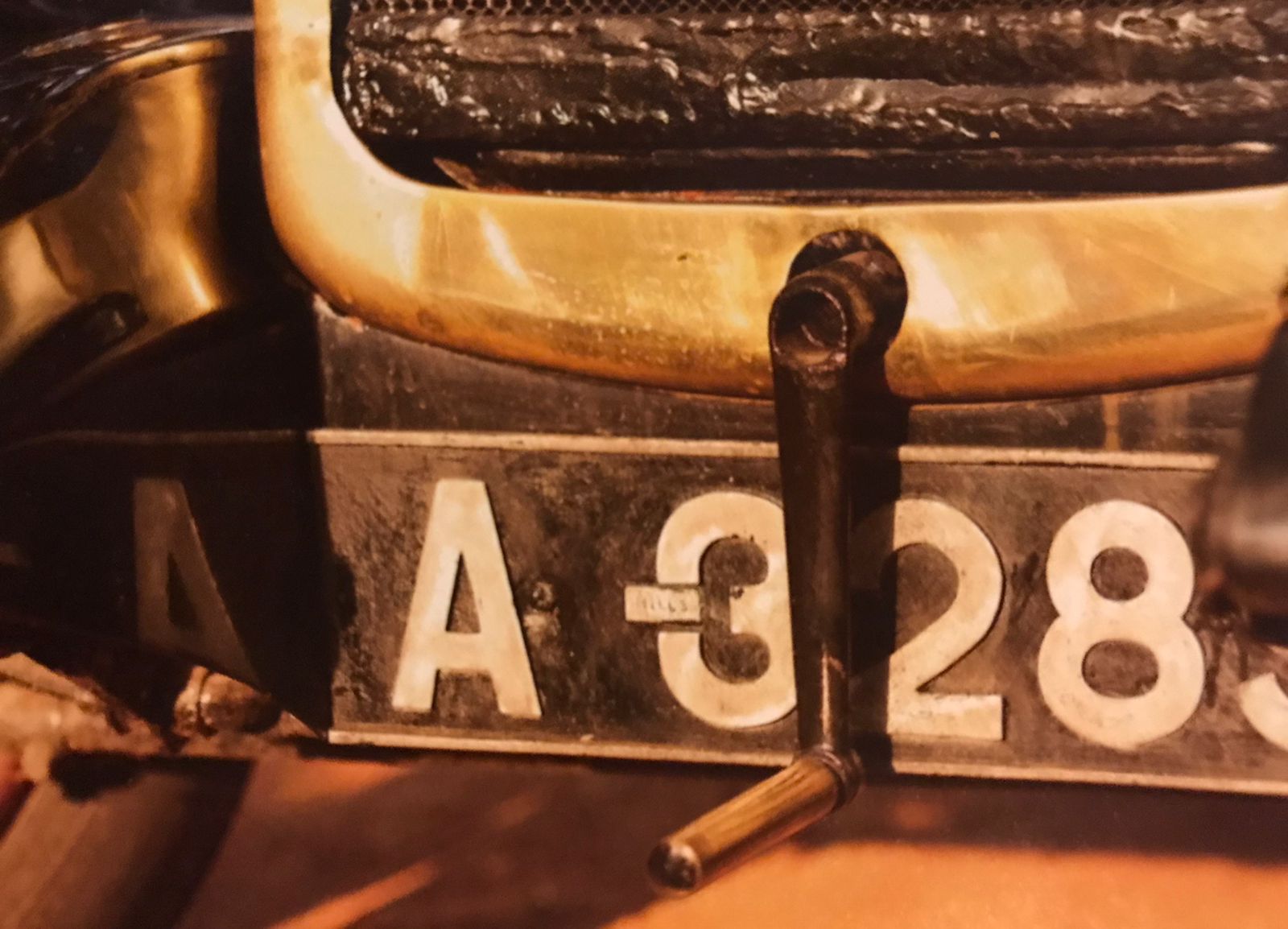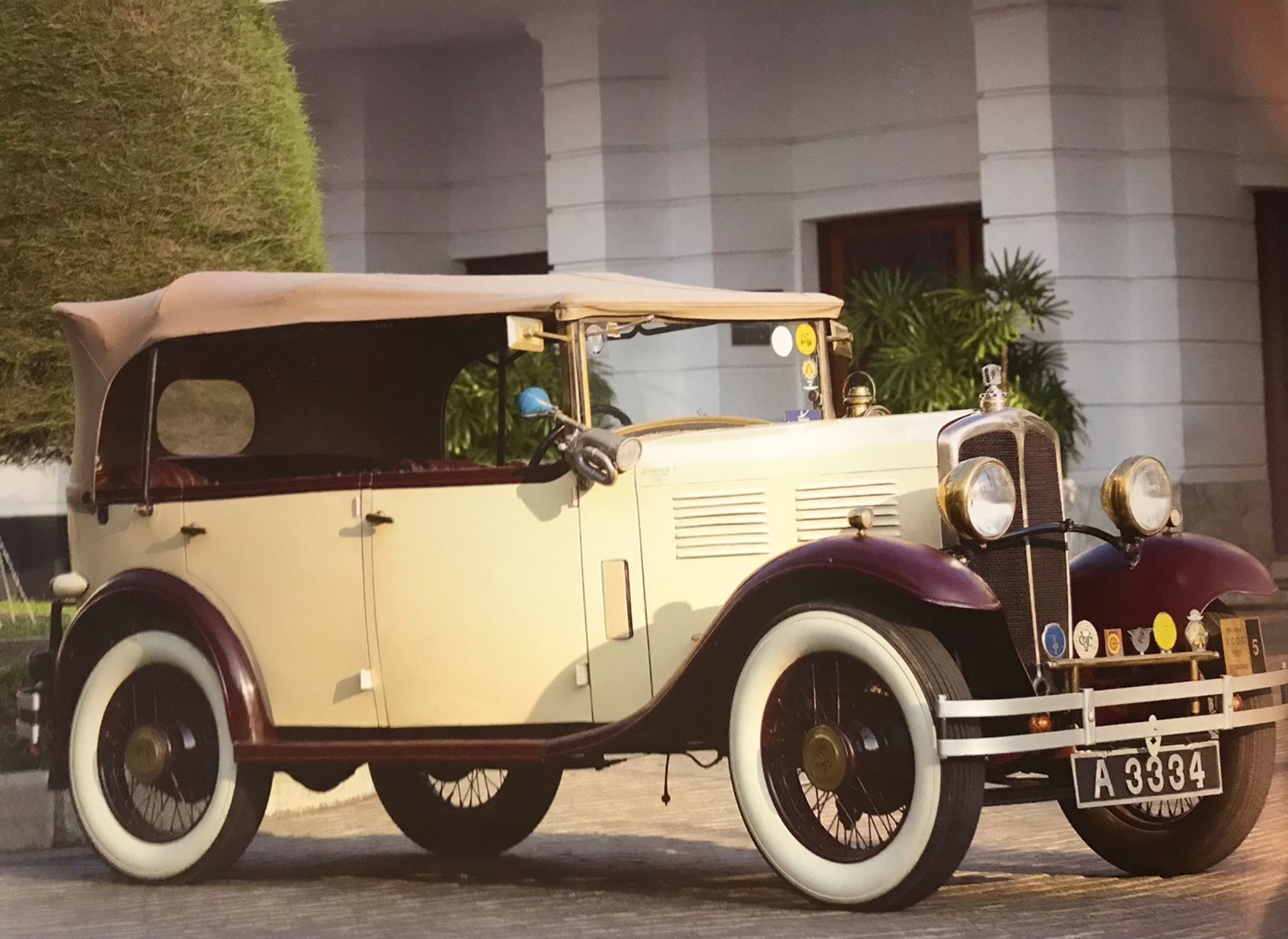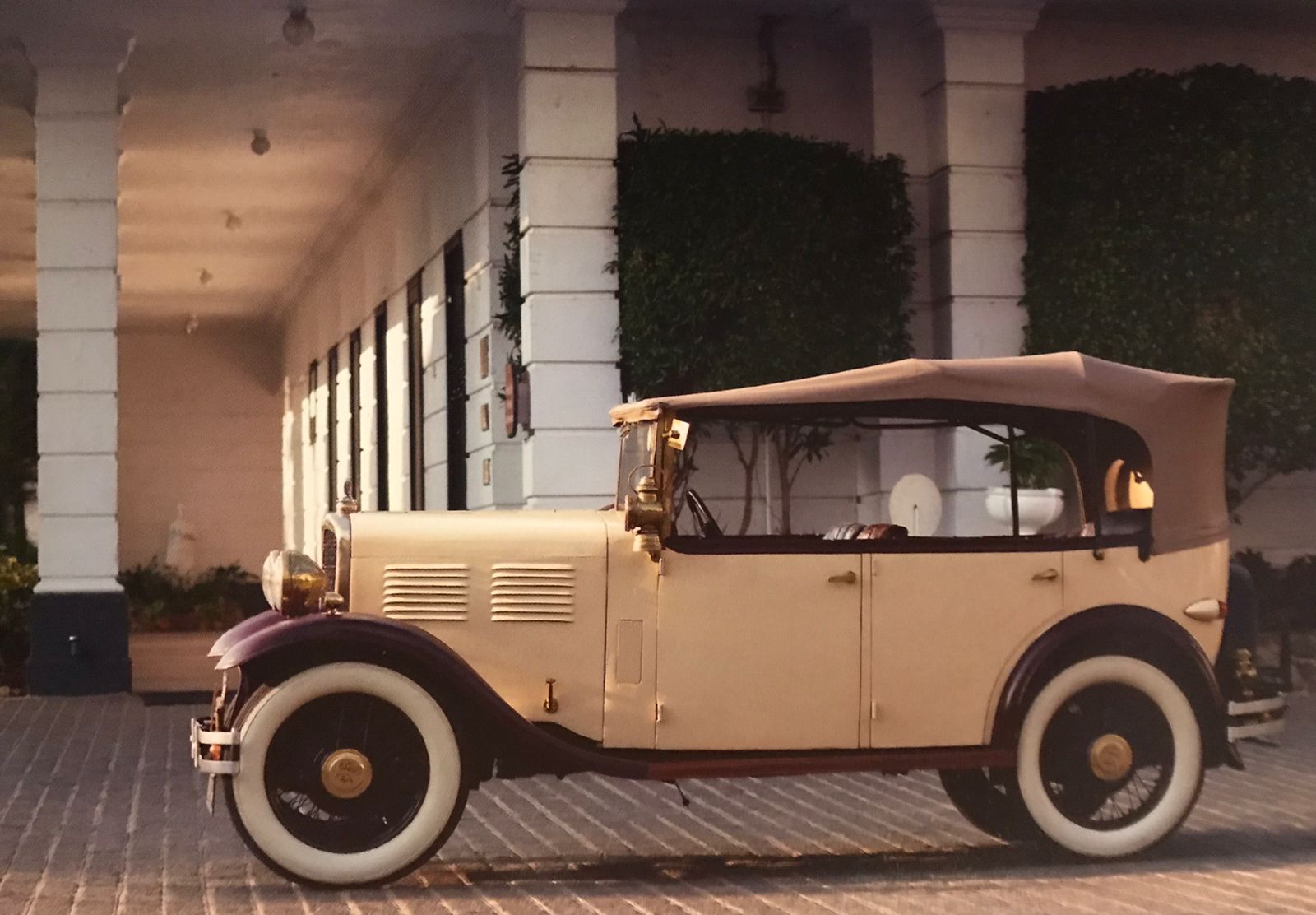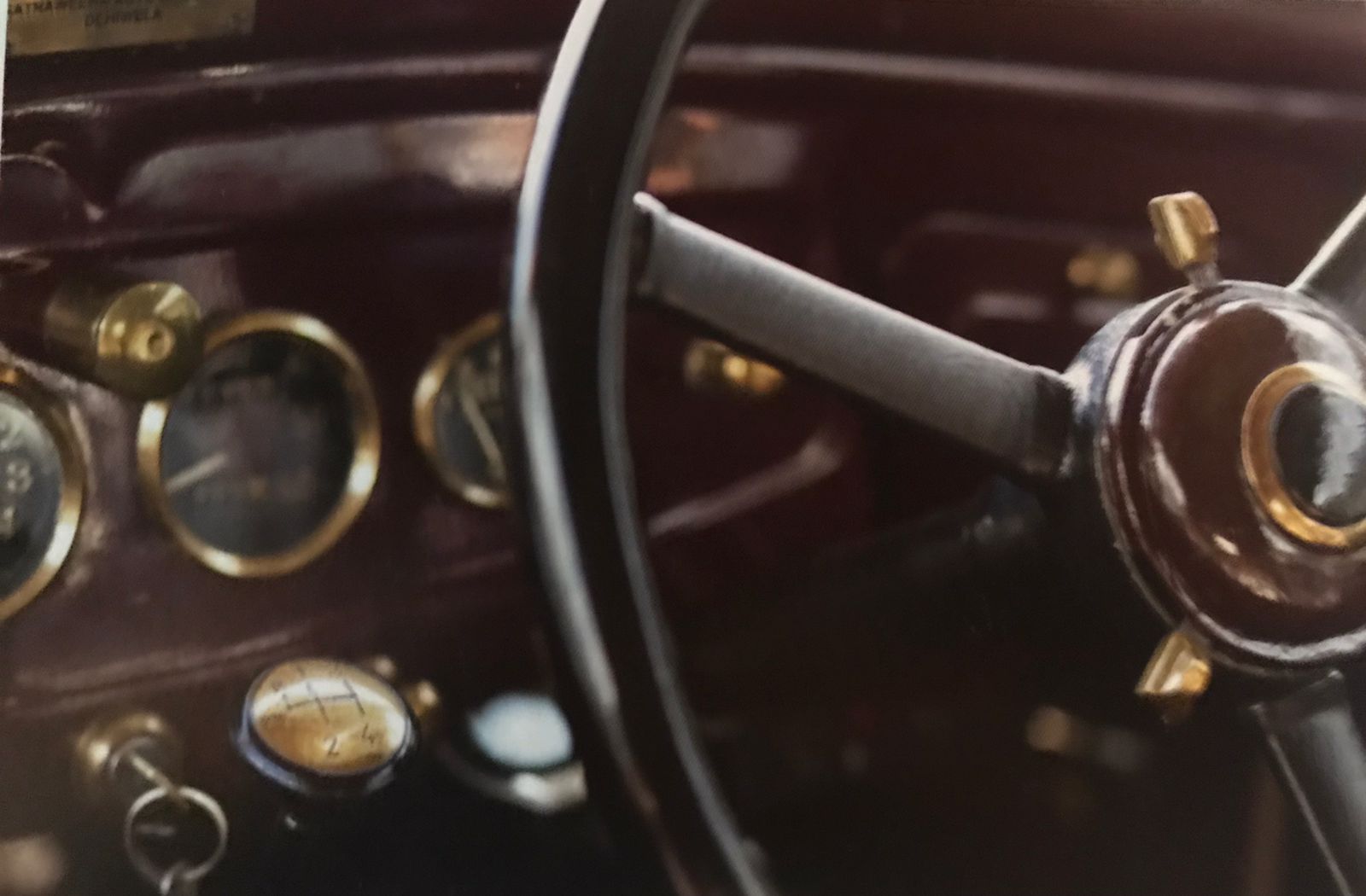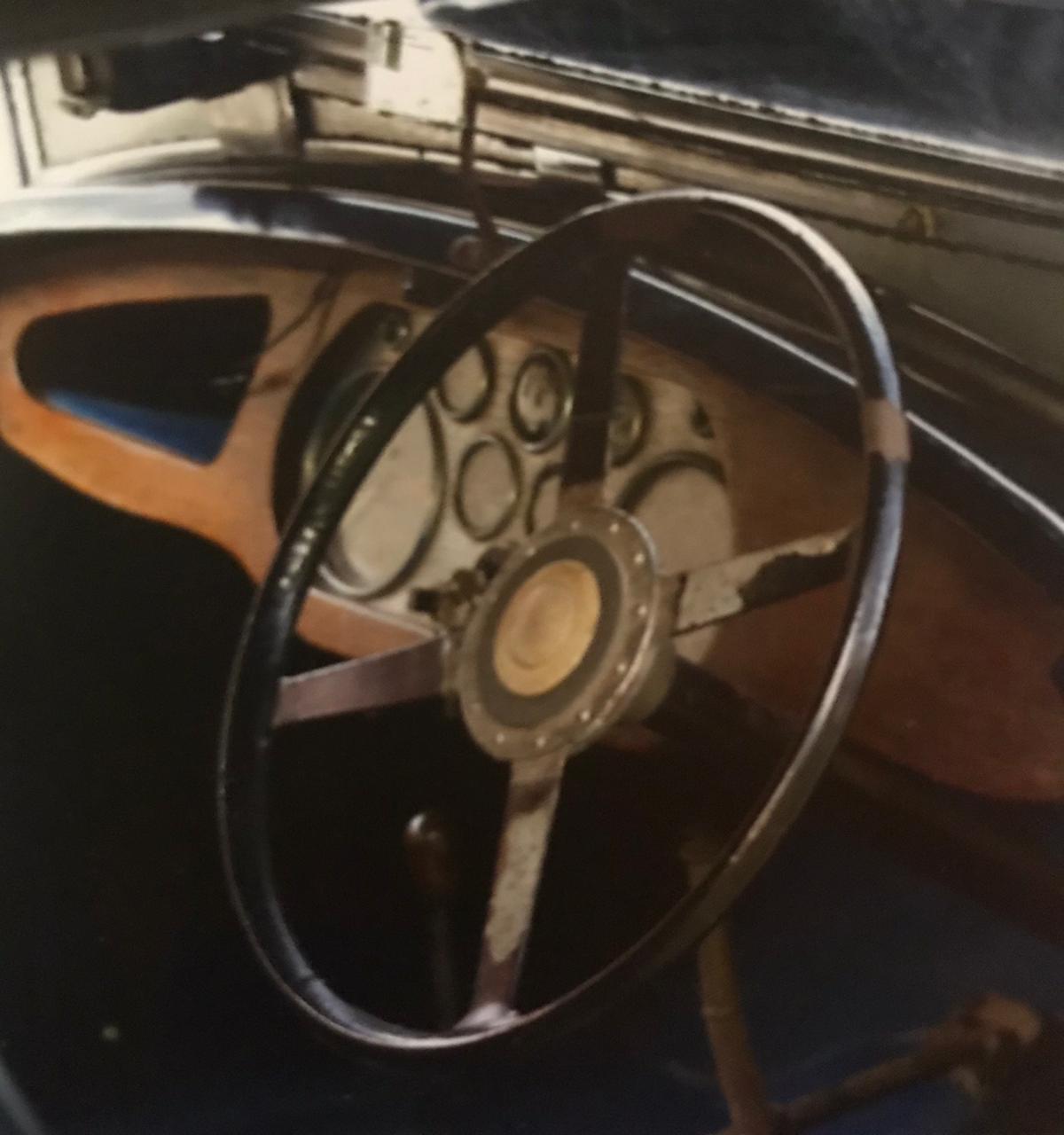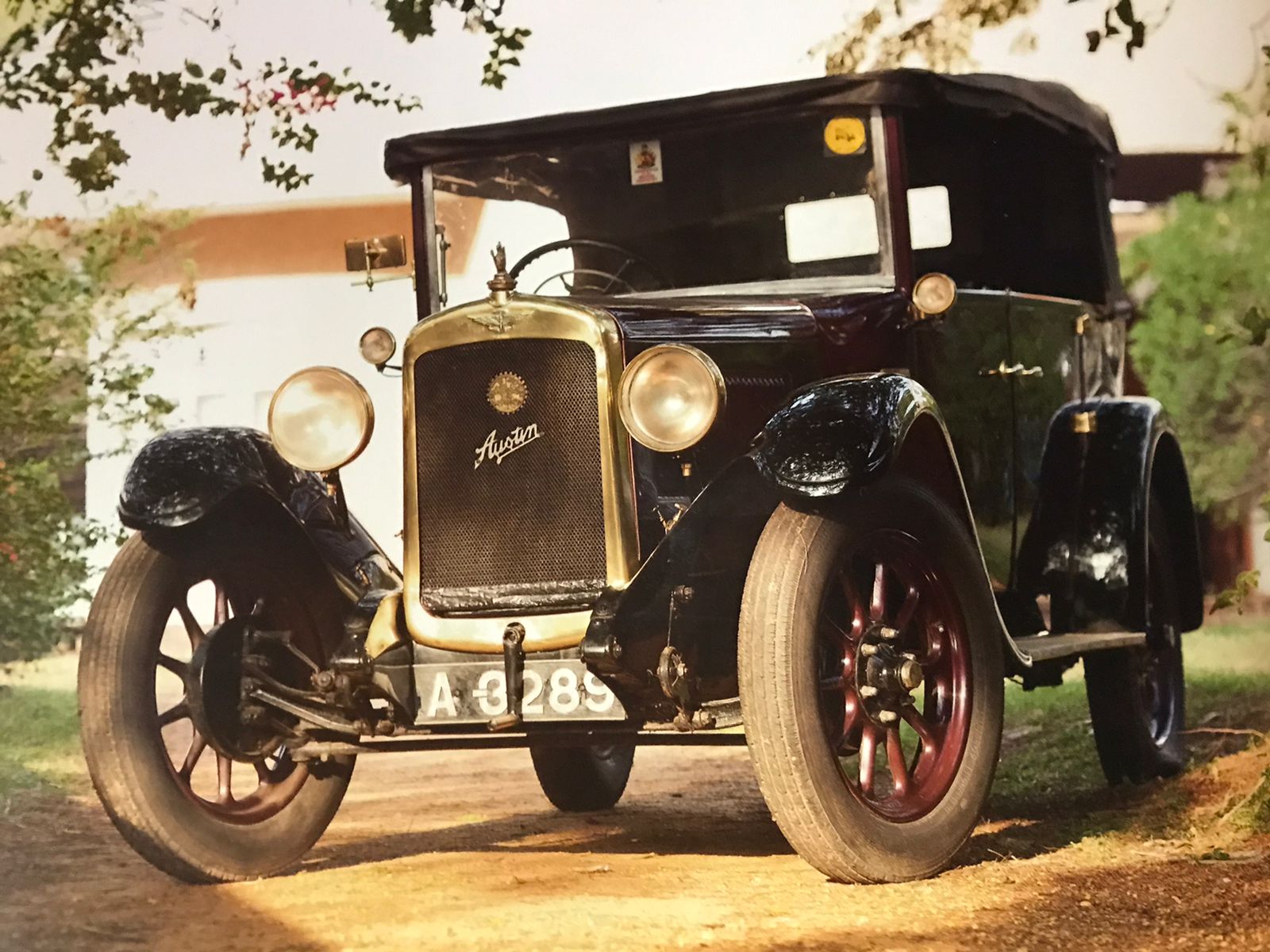
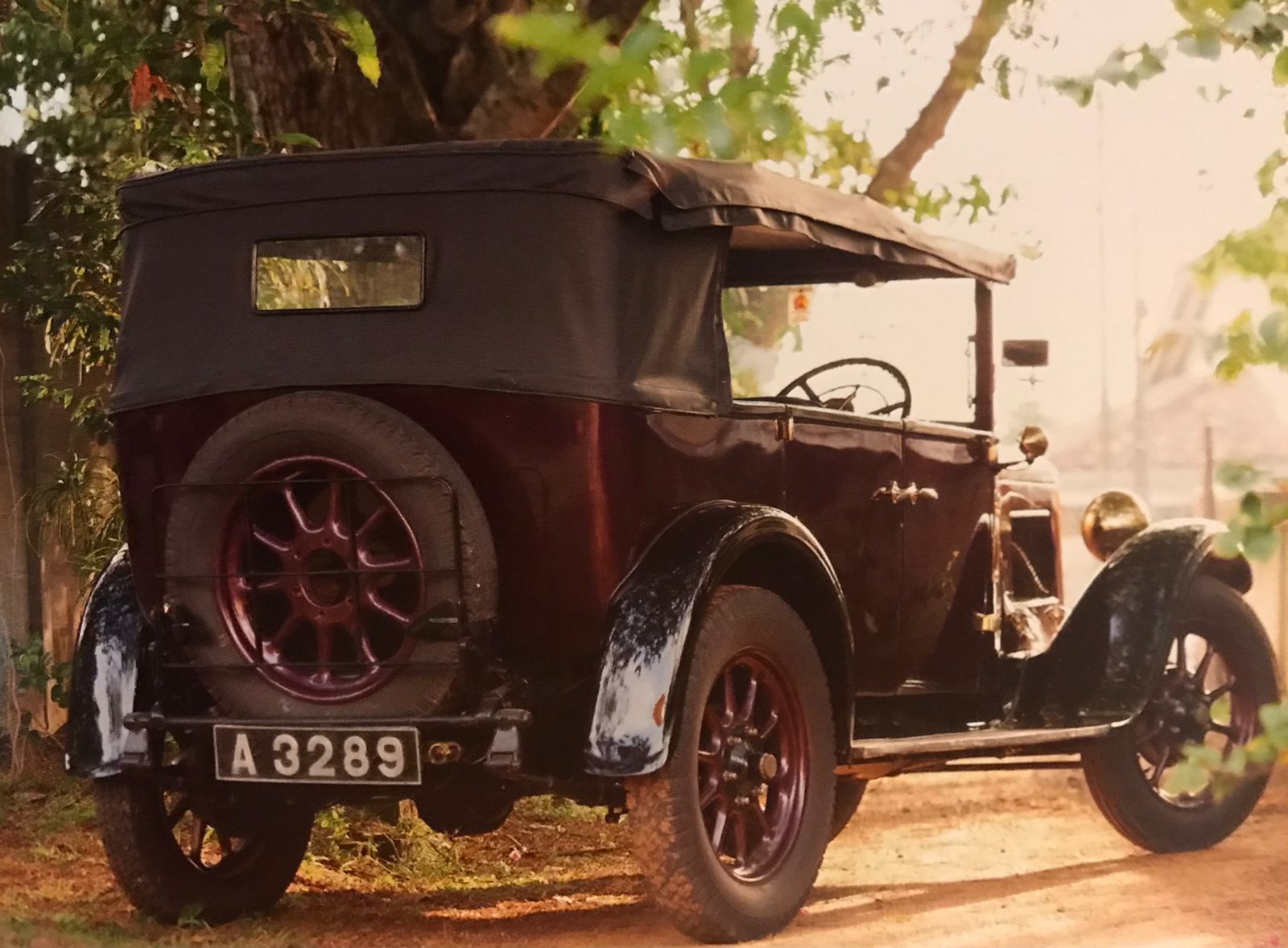
The Austin Motor Company Limited was established in 1905 by Herbert Austin, a designer and builder of motor cars. While working for the Wolseley Sheep Shearing Machine company, he started building three cars of his own design starting in 1895 and these were amongst Britain's first motor cars. Wolseley did not see much profit in the fledgling motor car business and Herbert Austin embarked on setting up his own car manufacturing company, and Albert, under the Wolseley name. In Thomas 1905 he fell out with the Vickers Brothers and obtained the backing of steel magnate Frank Kayser and Dunlop patent holder Harvey du Cros. By 1908, the was producing 17 different luxury car models and went on to produce munitions company for Britain during the First World War. The Austin 12/4 was the second model produced by the company after the war and was launched in 1921. Initially it was made available in three body styles: a four seater Tourer, two/four seater Tourer and a coupe. Saloons became more popular later. They saw considerable sales success having gained a reputation for thorough reliability. The Austin 12/4 was produced until 1939 and in order to distinguish it from newer and lighter Austin models, it gained the 'heavy' moniker in the early 1930s. This car was bought by the current owner from Arthur Kent, an Englishman, who had purchased it from a family in Katana. The car retains a high level of originality from all the dashboard instruments, a working clock and down to the original instruction manual.
The Standard Motor Company was founded in 1903 by Reginald Walter Maudslay. He said that the components should be tried and tested and accepted as reliable standards, so he named the car as 'Standard'. In 1929 John Black joined the ailing company and masterminded the huge success in the 1930s, the most successful models being the nine and ten. The Standard Nine was a response to the Great Depression of 1926. The company to produce a small, affordable car for the masses, much like the Ford Model T. The 1.1 litre light car launched in 1927 was an immediate success for the company. It was produced in a number of two and four door guises. The larger four door cars were released in 1930 with a larger 1.2 litre engine, coil ignition, spiral bevel axle and a new radiator shape. These cars were known as the 'Big' or 'Selby' Nines. The featured car is a 1931, 4 seater tourer model. It was once owned by Hercil Fernando and now resides in the care of Farih Fauz, President of the Vintage Car Club of Ceylon.
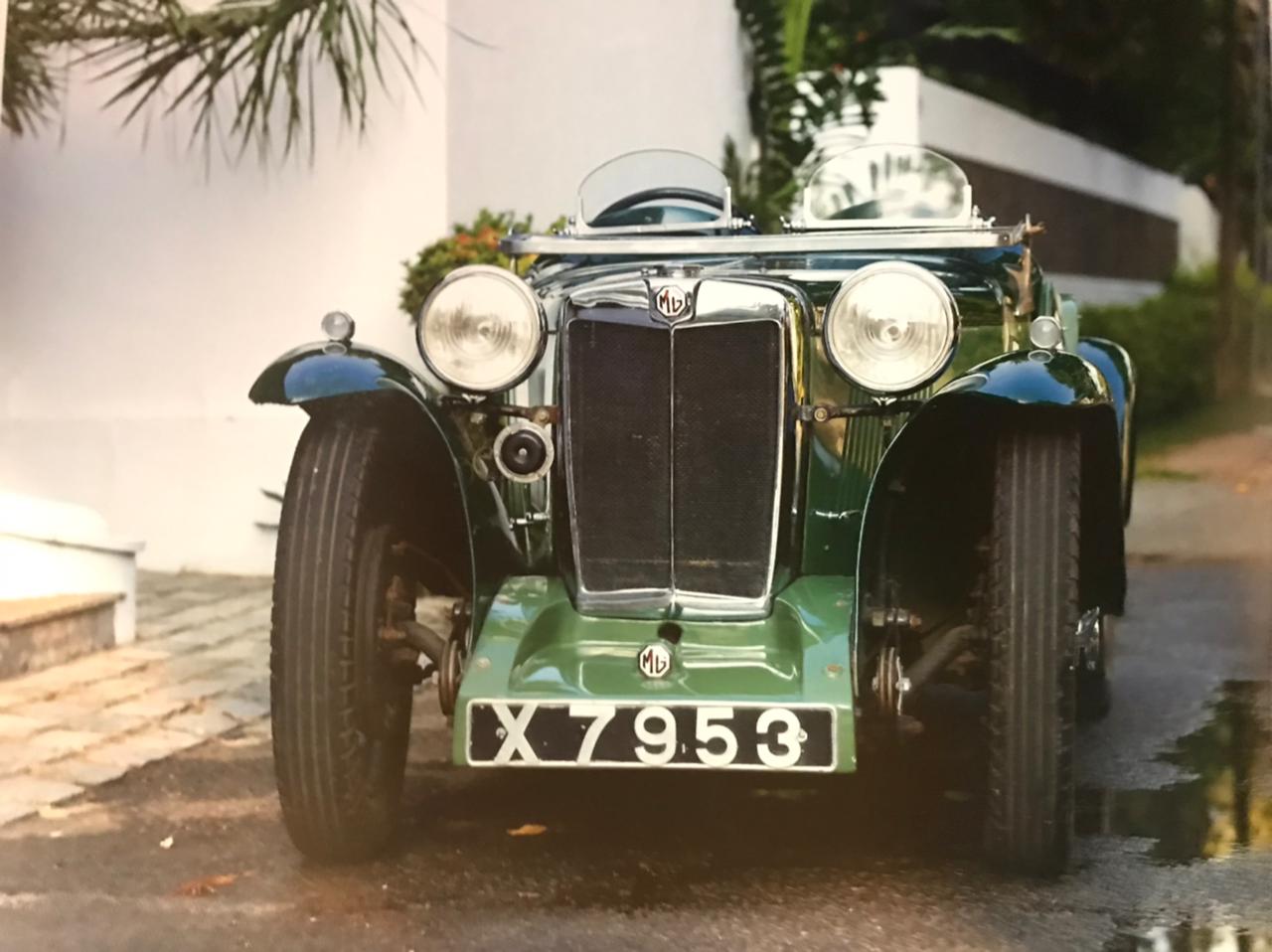
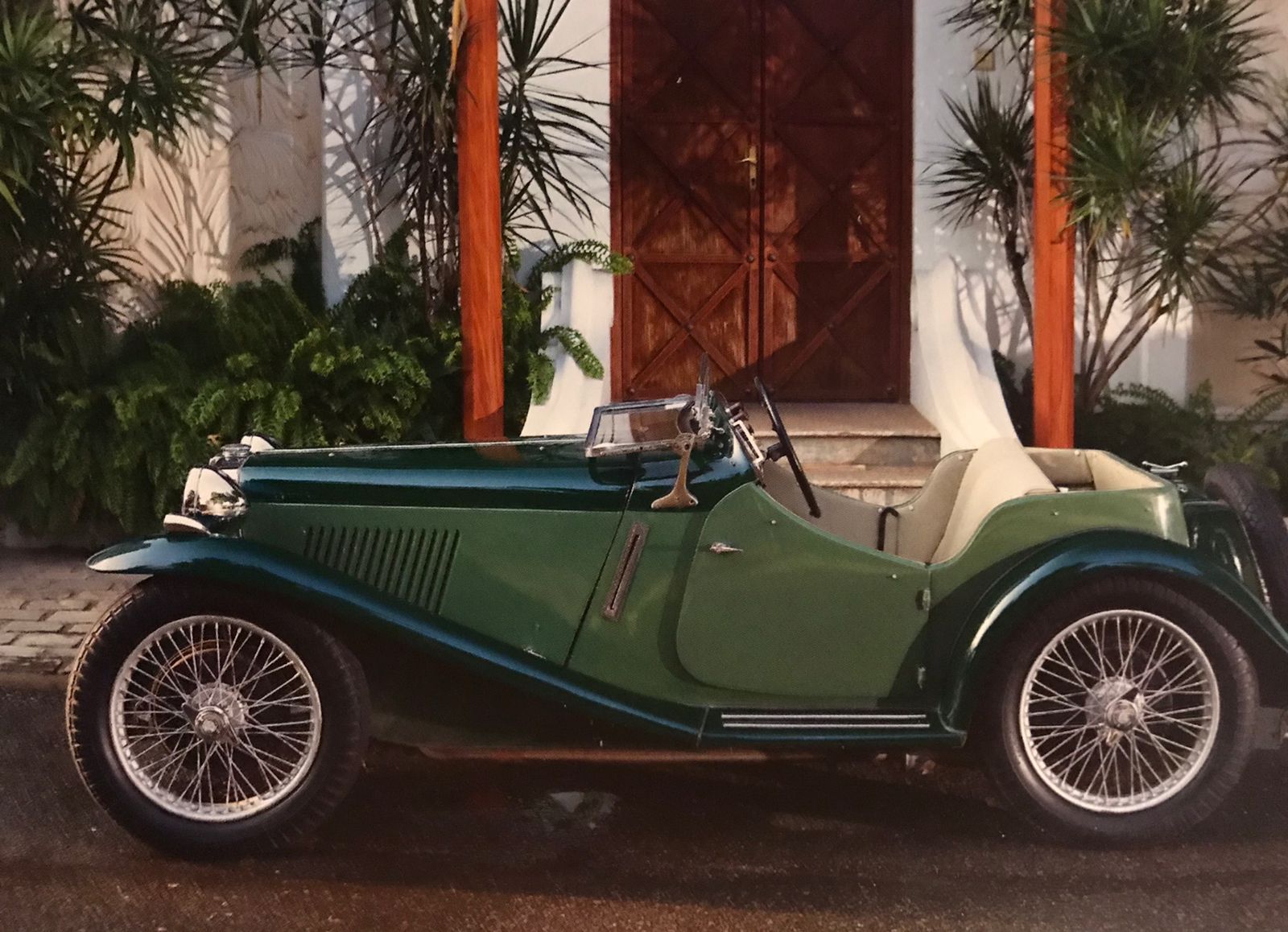
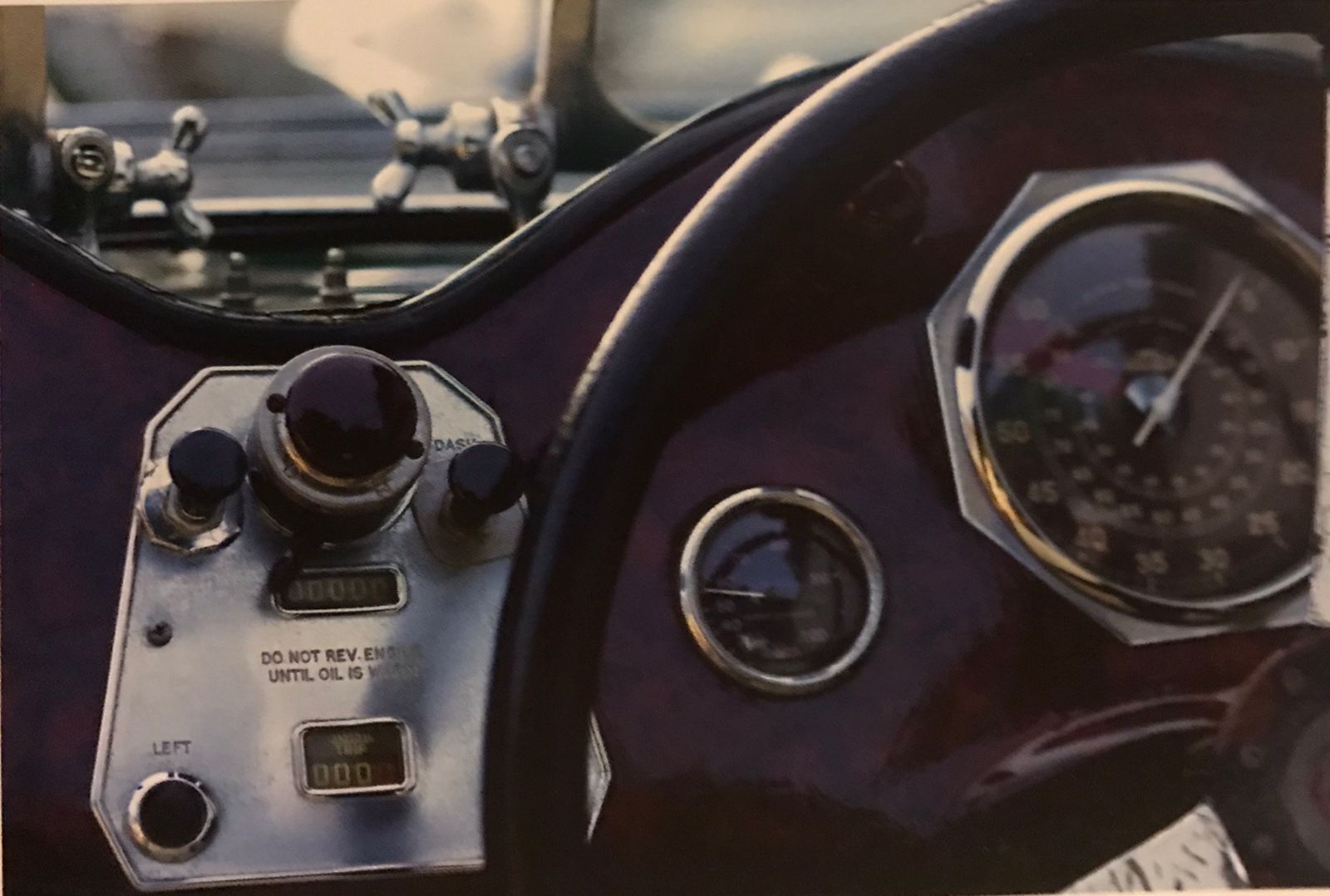
In the early 1920s Cecil Kimber was General Manager of Morris Garages, formed by William Morris. In 1923 Kimber started experimenting with special bodies on Morris Bullnose cars, and they were named MG (Morris Garage) in 1924. Many popular sports models were produced. The P-type MGs were compact 2 door sports cars produced between 1934 and 1936. The PA was the first generation, using a 847cc engine from its predecessor the J-Type Midget but with improvements such as twin SU carburettors, an overhead camshaft and three main bearings supporting a larger crankshaft. Though not designed to be racing cars, many were entered into competition, with a three car team being entered in the 1935 24 hr Le Mans Race. Not much is known about the early history of X-7953 other than it was imported brand new and was first registered in Sri Lanka on the 10th July 1935. The car was in regular use until the early 1970s after which point it was taken off the road for about forty years until it was restored by the current owner in 2008. The car still retains its original engine and transmission and is one of possibly only five survivors in the South Asian region.
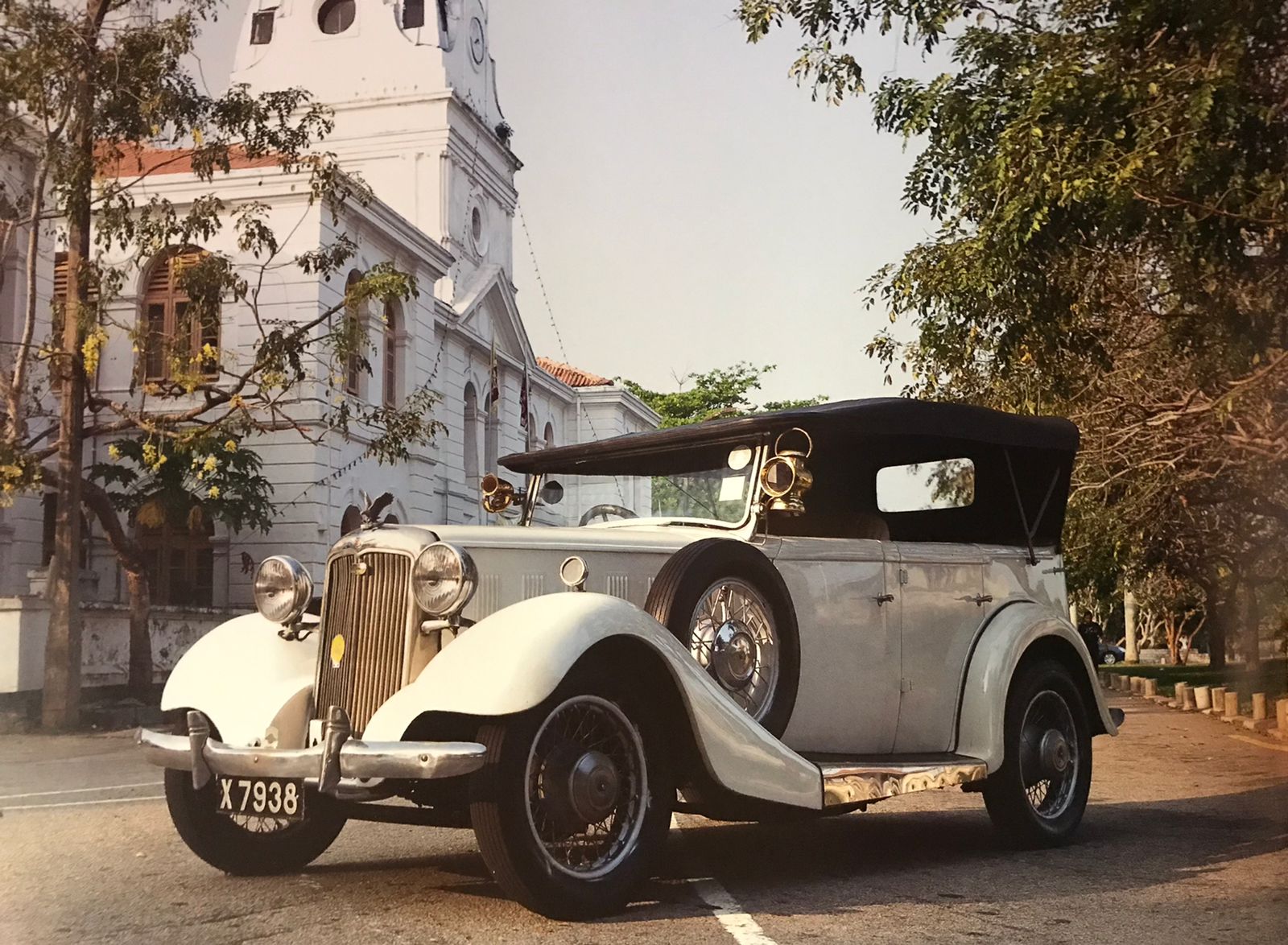
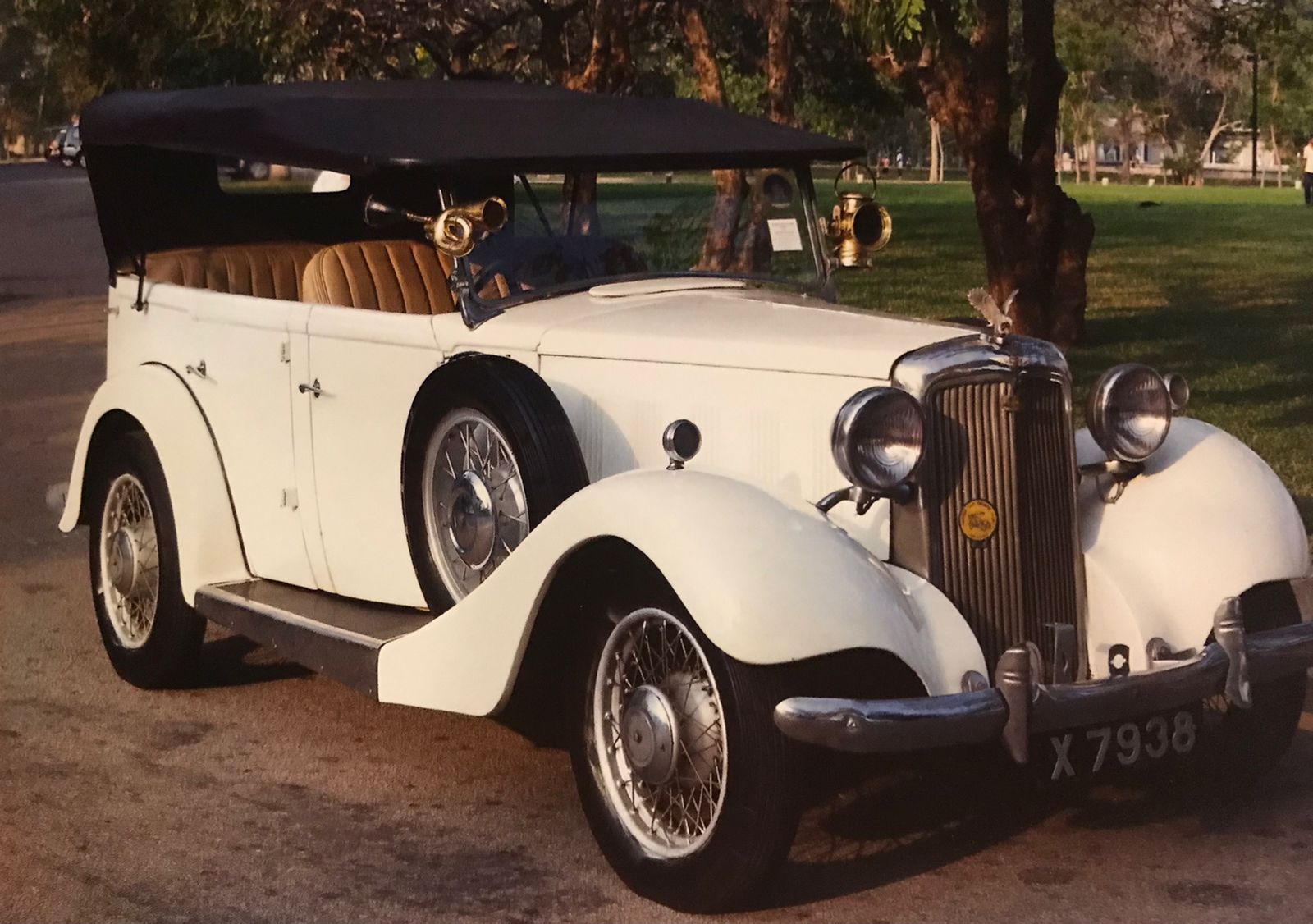
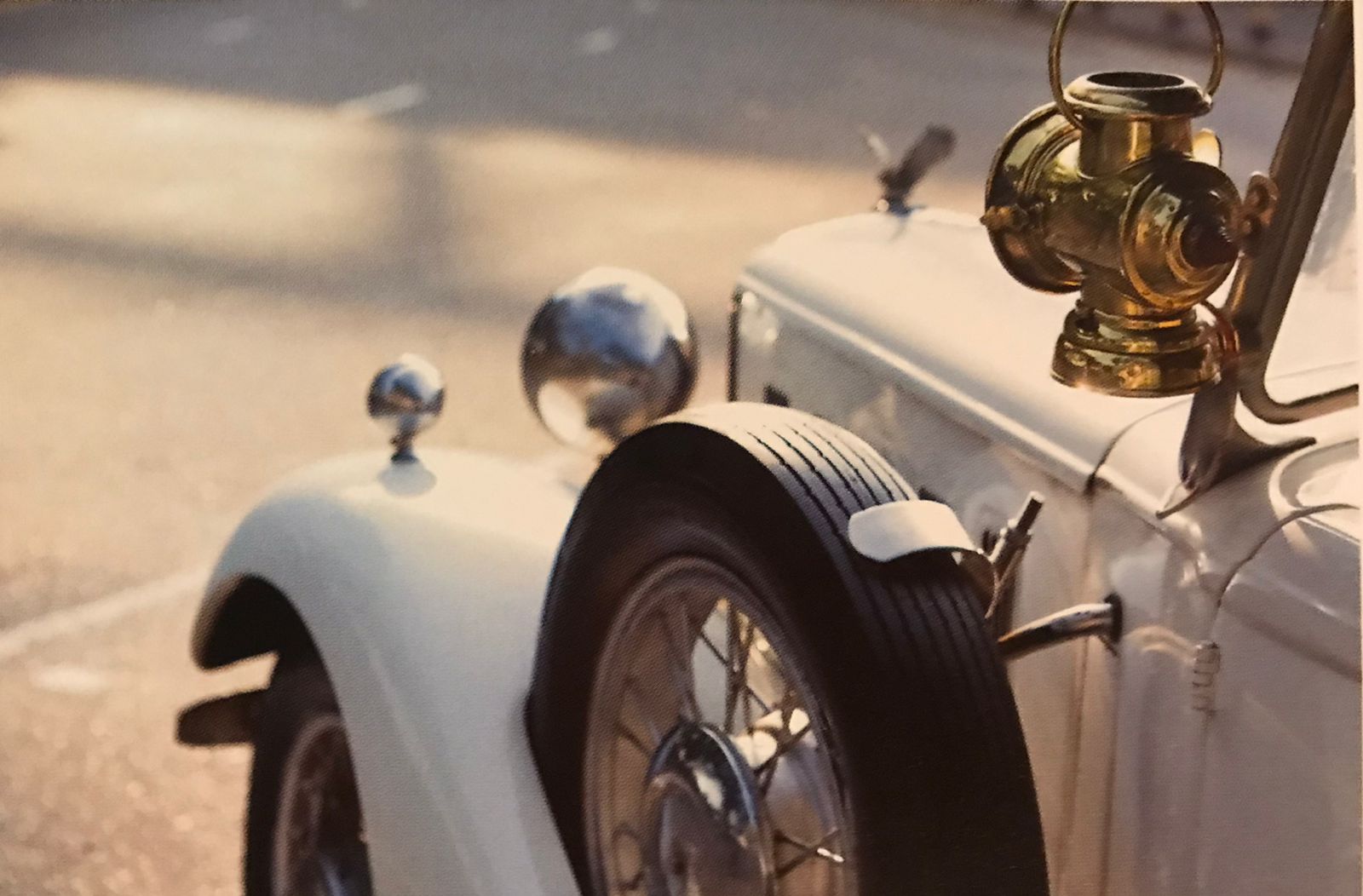
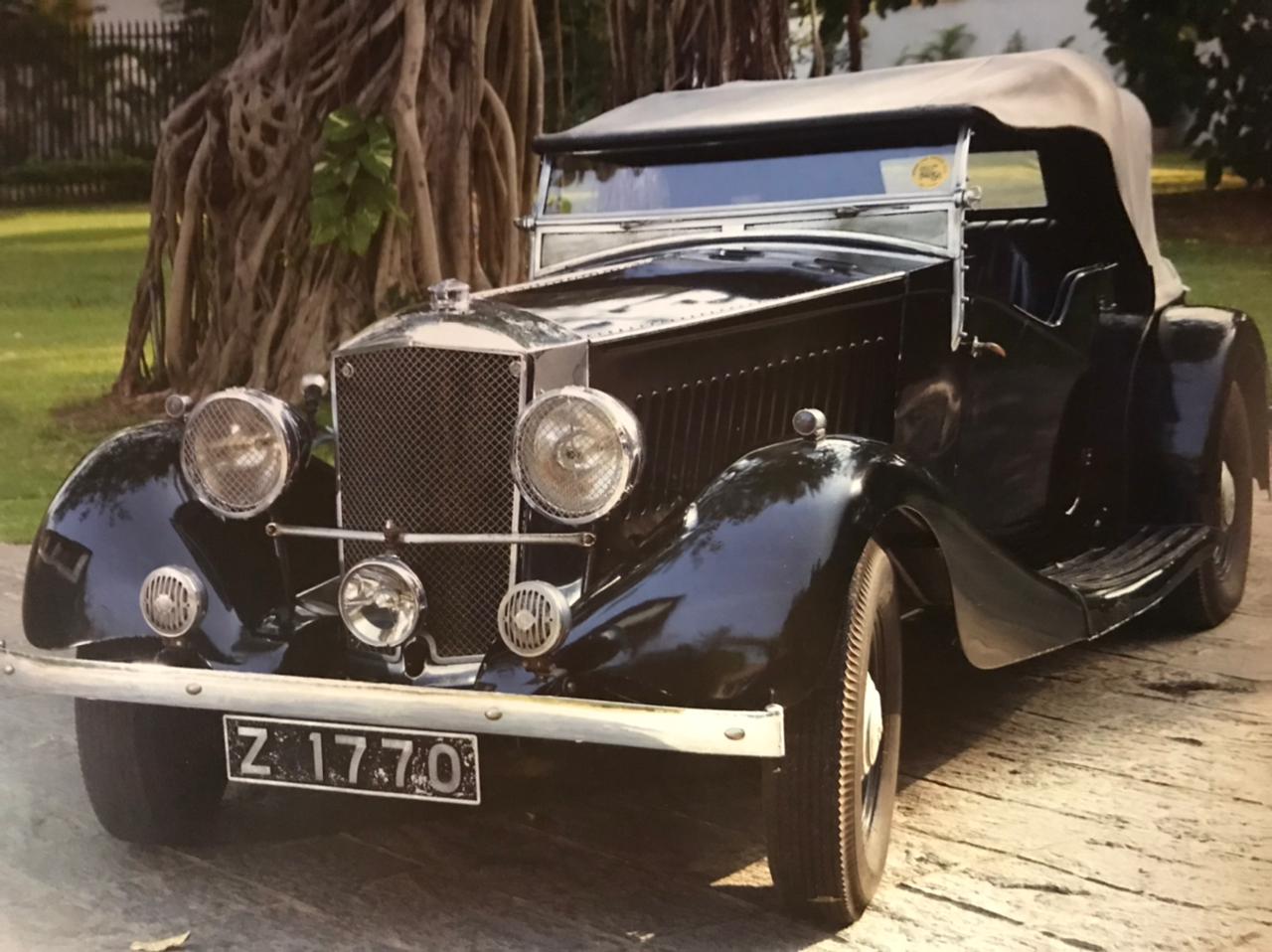
Hillman was a popular automobile marque first established in 1907 in Coventry, UK. First called Hillman-Coatalen, it was founded by engineer William Hillman along with designer and chief engineer Breton Louis Herve Coatalen. Their first car was launched in 1907 with a 25/40hp, 4-cylinder, 6.4 litre Hillman-Coatalen which entered the Isle of Man Tourist Trophy that year and though it crashed, made quite an impression. When Coatalen left in 1909, the company was renamed the Hillman Motor Car Company. The first cars were large and in 1931 the 6-cylinder Wizard was introduced. The Company was acquired by the Rootes group in 1931 during the Great Depression. In 1932 the mid-sized four-door saloons, carrying the Minx name, were introduced with a 4-cylinder 1,185cc engine. In 1933 the Wizard was discontinued. Rootes and the re-entered the 6-cylinder market in 1934 with the 20/70, which lasted until company 1936, when the Hawk was launched. The 1934 20/70 Tourer seen here features a styling upgrade when a more rounded body was launched. The car was first owned by Sir Stewart Schneider, a former Chief Justice of Ceylon. Thereafter, it was in the care of the Hettiarachchige family of Gampaha from 1953 to 1976 when C. I. Gunasekera purchased it. The current owner purchased the car in May 2007, and the car was driven from Mr. Gunasekera's residence with only a change of lubricants and a few electrical adjustments. The restoration of the car was completed by October 2008 and in its white shade has proved to be a popular choice to be hired as a wedding car.
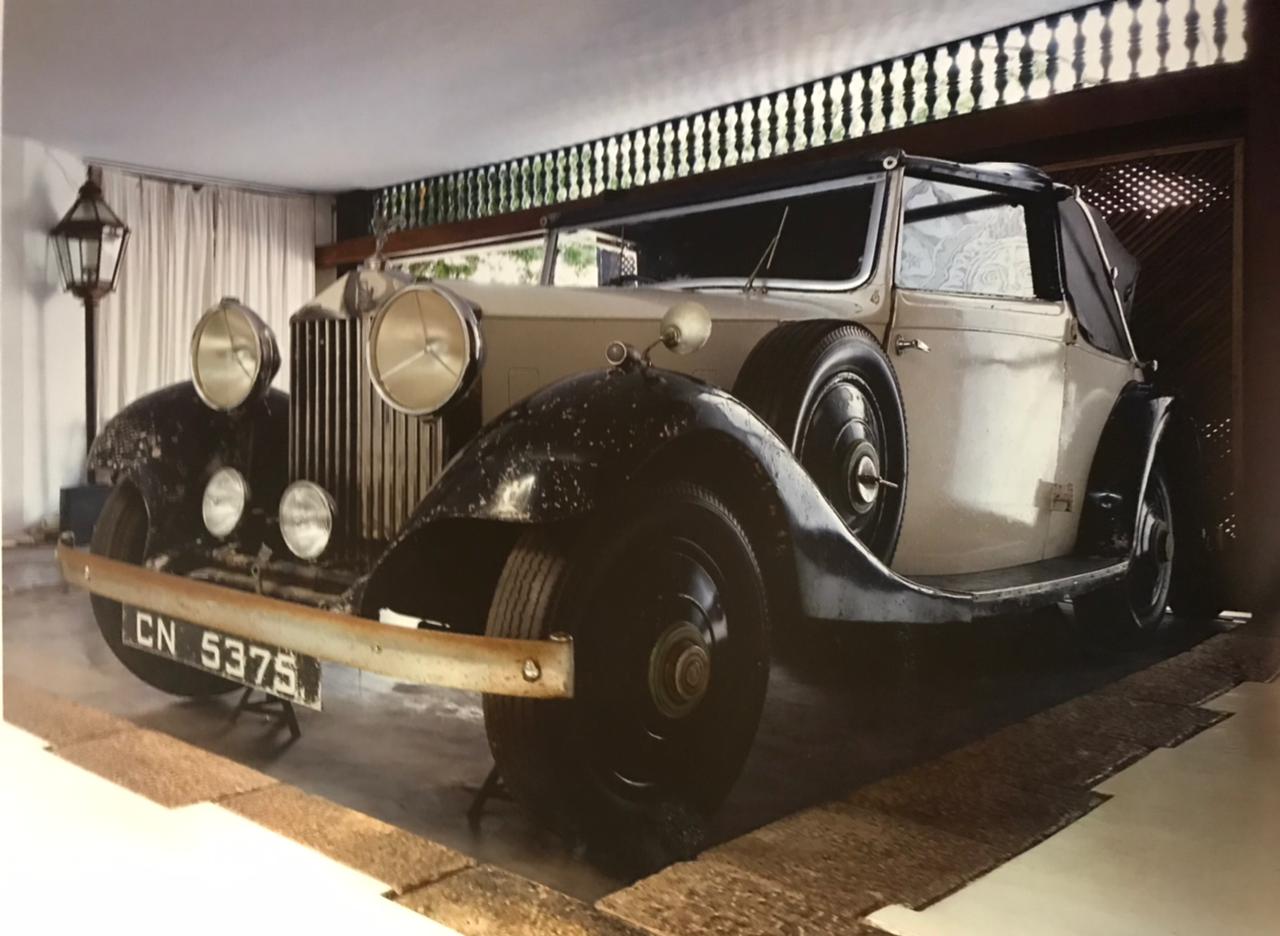
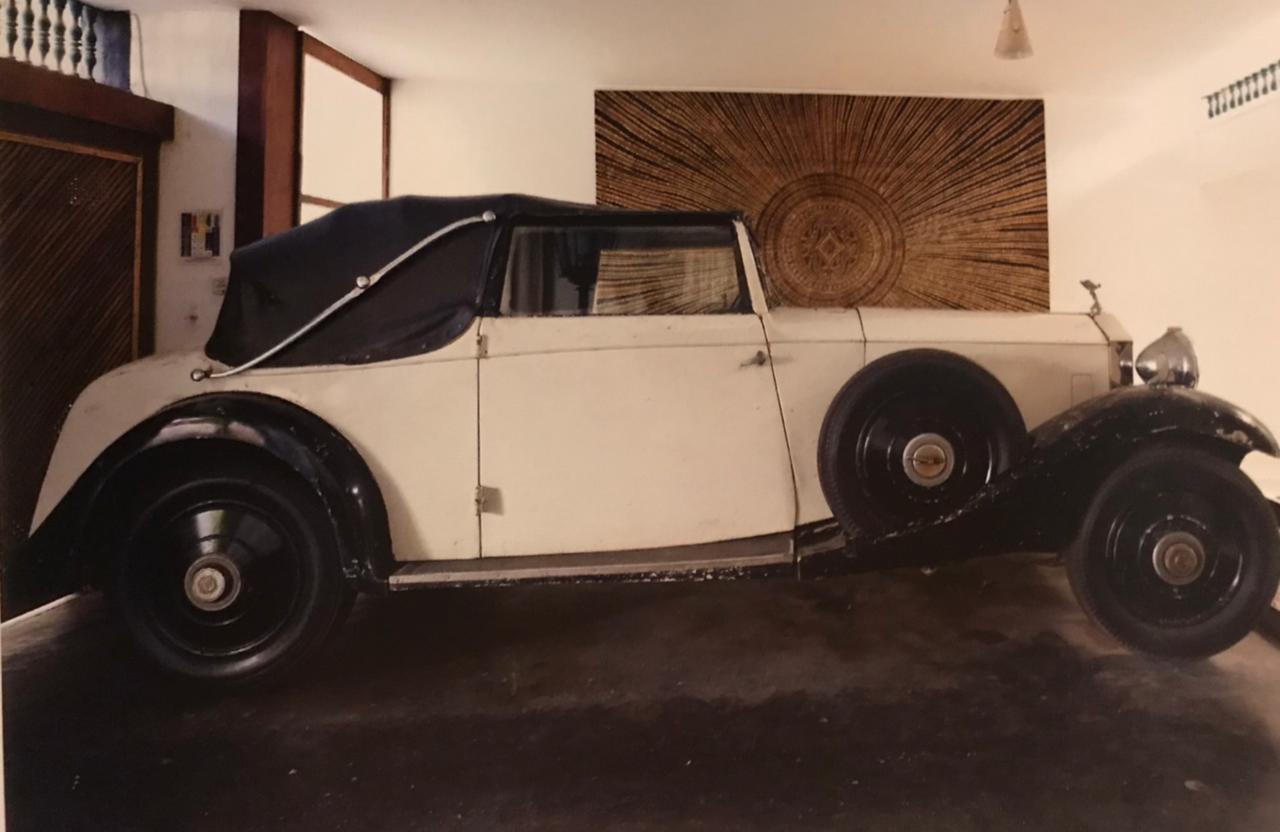
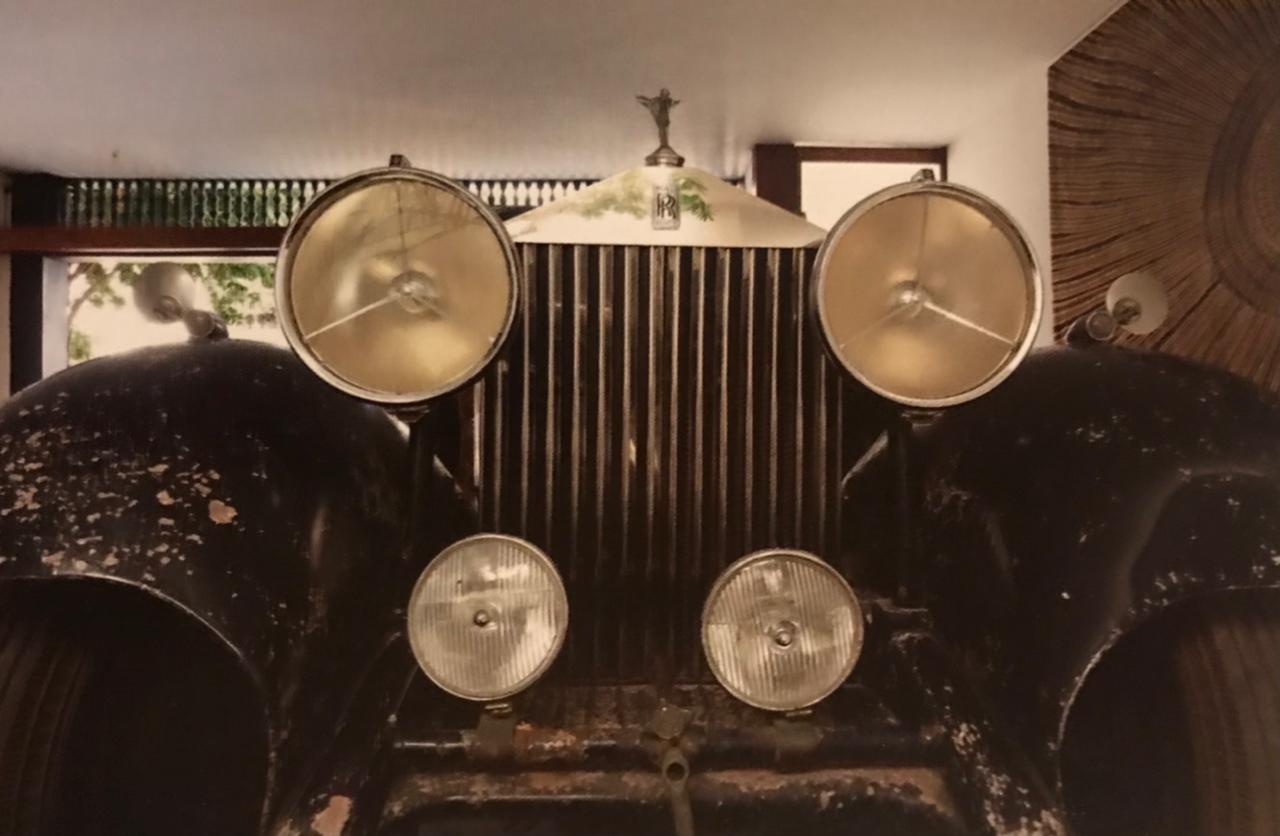
The Rolls-Royce 20/25 emerged in 1929 as the successor to the 20hp model as the marque's smaller model next to the Silver Ghost. The more powerful engine allowed coachbuilders to fit larger bodies to the car than its predecessor and were produced in a number of styles, including limousines, fixed and drop head coupes. The featured car has a body of the latter style built by Connaught and was first commissioned on the order of F.S. Bates of Weybridge, Surrey in the UK. Only twenty-eight 20/25hp cars are known to have been fitted with Connaught bodies. After several other owners in the UK it was purchased in 1950 by its most illustrious owner, the internationally acclaimed Sri Lankan architect, Geoffrey Bawa. Bawa was passionate about the brand and owned many Rolls-Royce cars throughout his adult life, but this would be the Rolls that would remain with him until the end of his life. The car was used regularly and was a stunning sight on Colombo roads in the 1950s and used for site visits by him. However, with increasingly unruly traffic, Bawa proceeded to protect his precious car from potential accidents by taking it off the road in the early 1990s. Though regularly started to maintain the mechanicals, the car has remained on jacks at his home since then and is now under the care of the Lunuganga Trust.
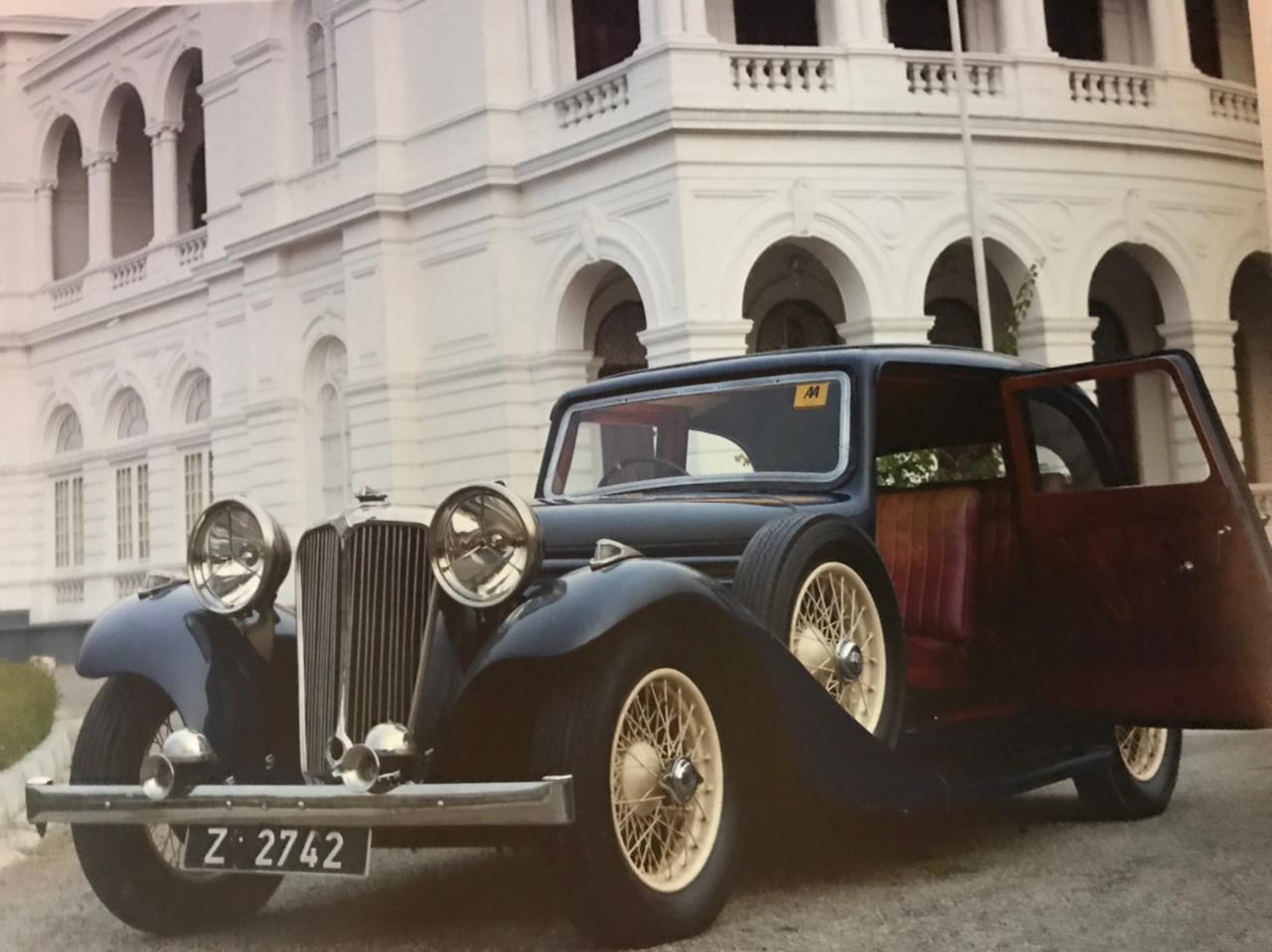
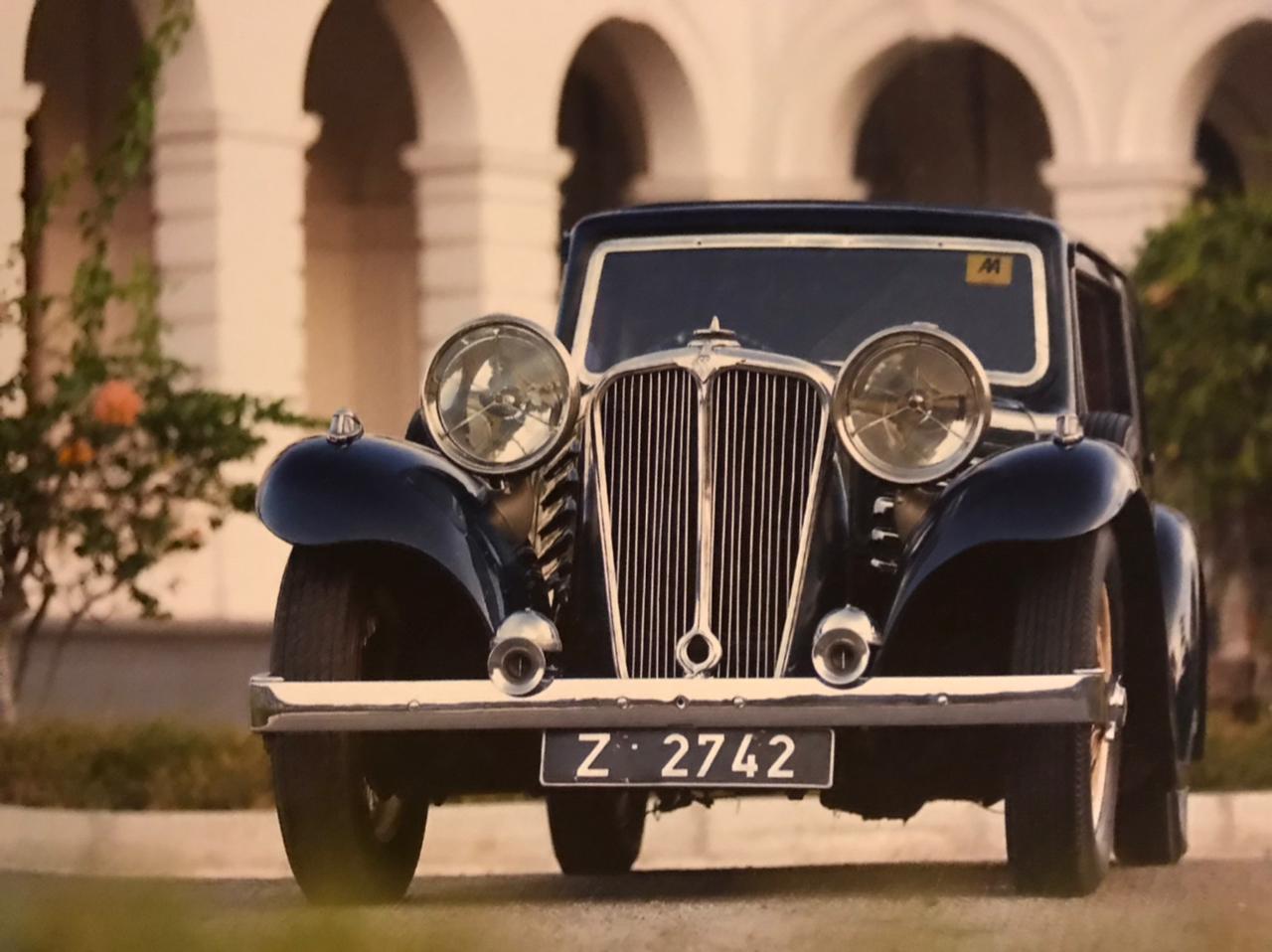
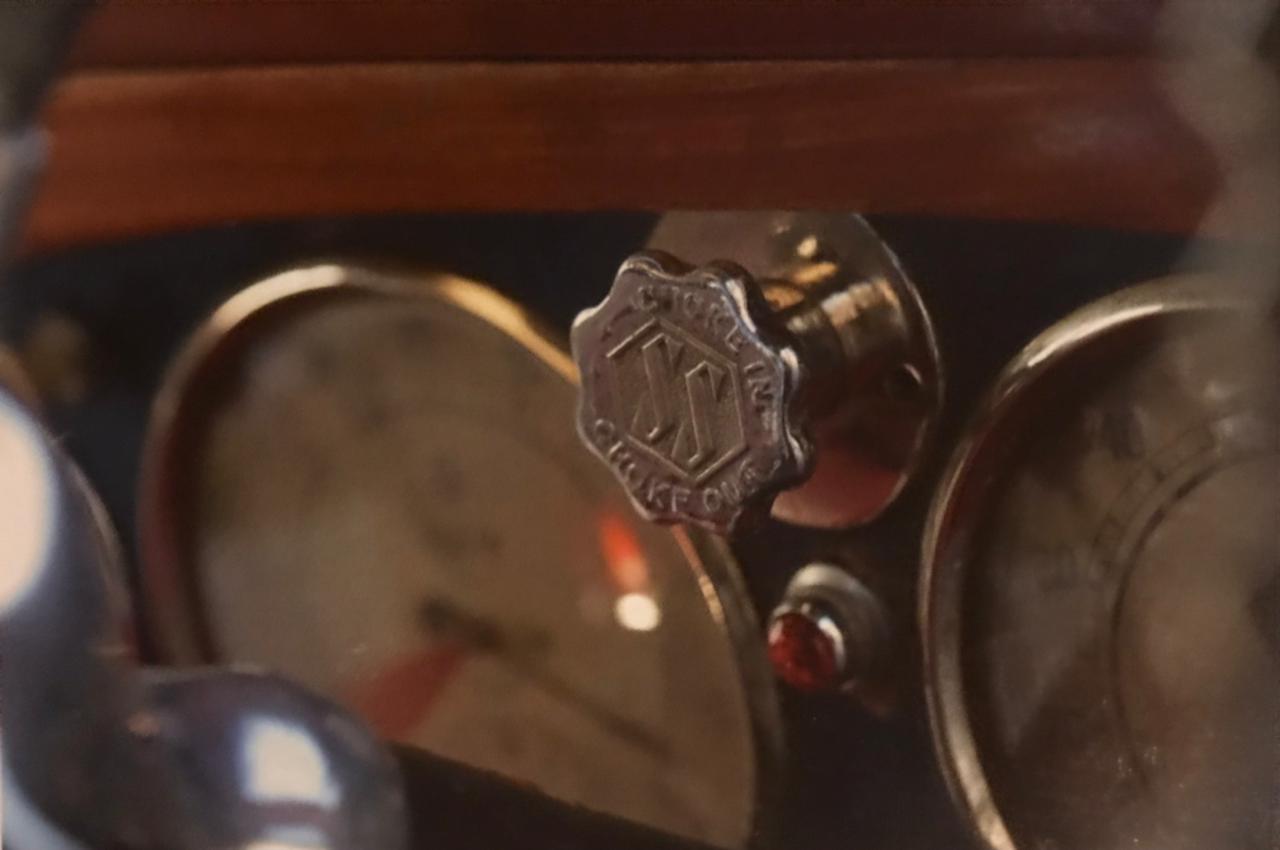
This is a car of unique Indo-Sri Lankan significance. First registered in 1935 in Marble Arch, London to Ratan Kumar Nehru, it was sold soon after to his cousin, Jawaharlal Nehru, later the first Prime Minister of India. The car moved to Sri Lanka in 1937 when it was bought by P. Saravanamuttu, a prominent Sri Lankan civil servant and friend of the Nehru family. Having belonged to a series of owners, it now resides in the safe care of the Akbarally family. Prior to their purchase, for reasons best known to the perpetrators, the car had been 'chopped', converting it to a tourer. The project was abandoned halfway to the travails of nature. The car was collected in the form of a rusted chassis and parts carried home in suitcases. It was then lovingly restored to its original glory via a meticulous restoration process over seven years. The country was scoured for original parts, whilst a panel beater from the original SS factory was commisioned to prepare the body work. The car is one of the last to bear the SS brand name and is one of only 6,241 SS1s ever made. It is noted for being the most elegant of the SS cars with art deco styling on its sweeping wings, with a beautifully resolved rear end where the rear arches and roofline flow into an abrupt but elegant confluence.
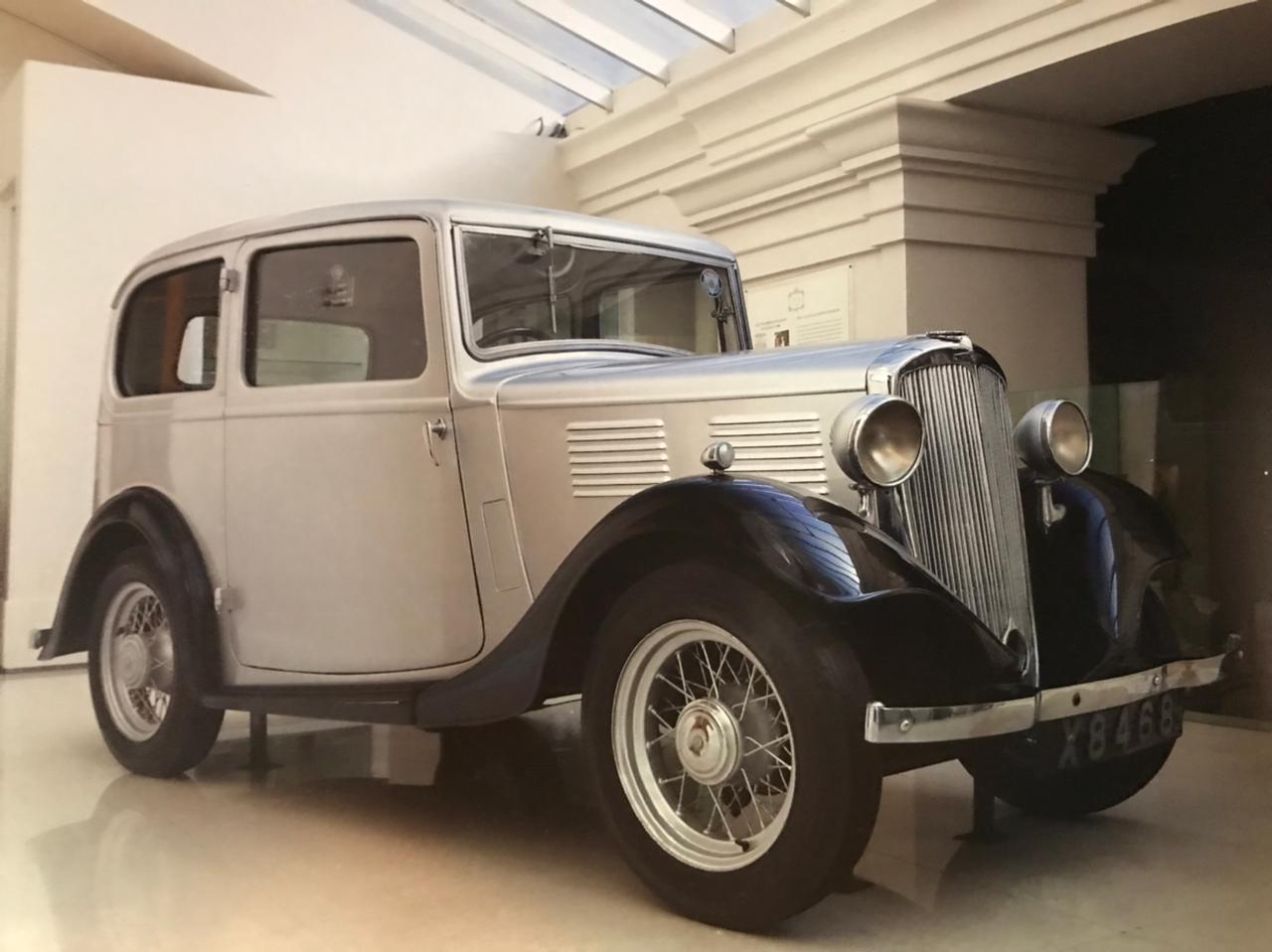
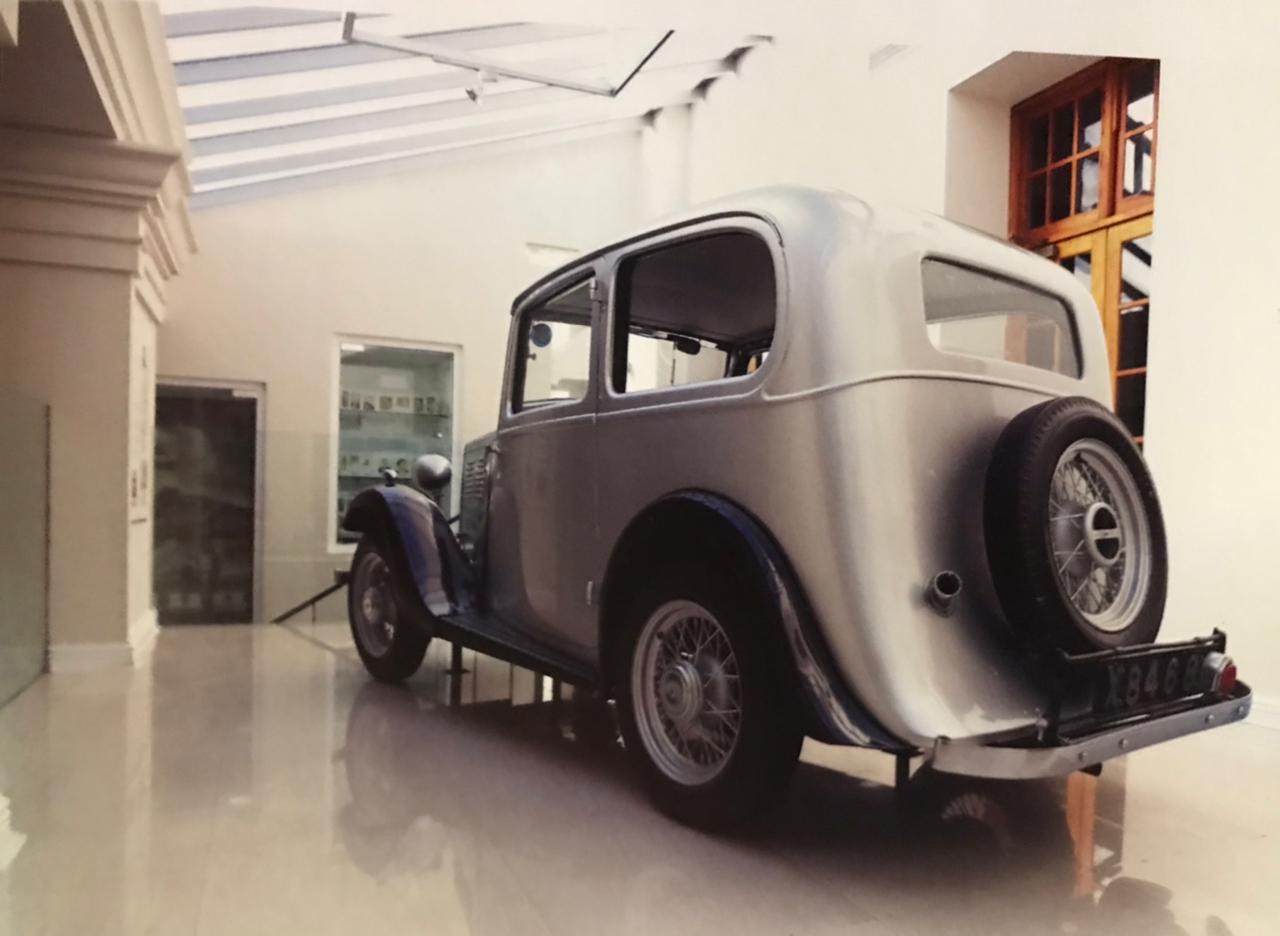
This innocuous looking family saloon has the distinction of being H.R.H. Prince Philip's first car. In 1940 the handsome 19-year-old Greek prince destined to be the spouse of Britain's Queen Elizabeth ll, was stationed in Sri Lanka as a Royal Navy midshipman. Eking out a not too princely salary, he set out to purchase his first motor conveyance. This rickety 1935 Standard caught his and he was not deterred by its scratched eye paintwork, worn brakes and the cod liver oil bottle top which served as a petrol cap. Records indicate that having negotiated down the original asking price of Rs.450/- to be paid in installments to one Winston Guy Brohier, Prince Philip purchased and registered the vehicle on 27th August, 1940. The car remained in Sri Lanka upon his departure, eventually winding up in the care of businessman Cyril Gardiner by 1956. Gardiner's son Sanjiv has since given it pride of place in the eclectic museum of the Galle Face Hotel. Prince Philip endeavours to view his four wheeled love whenever he visits Sri Lanka and a framed photograph of this Standard is said to reside at Buckingham Palace.
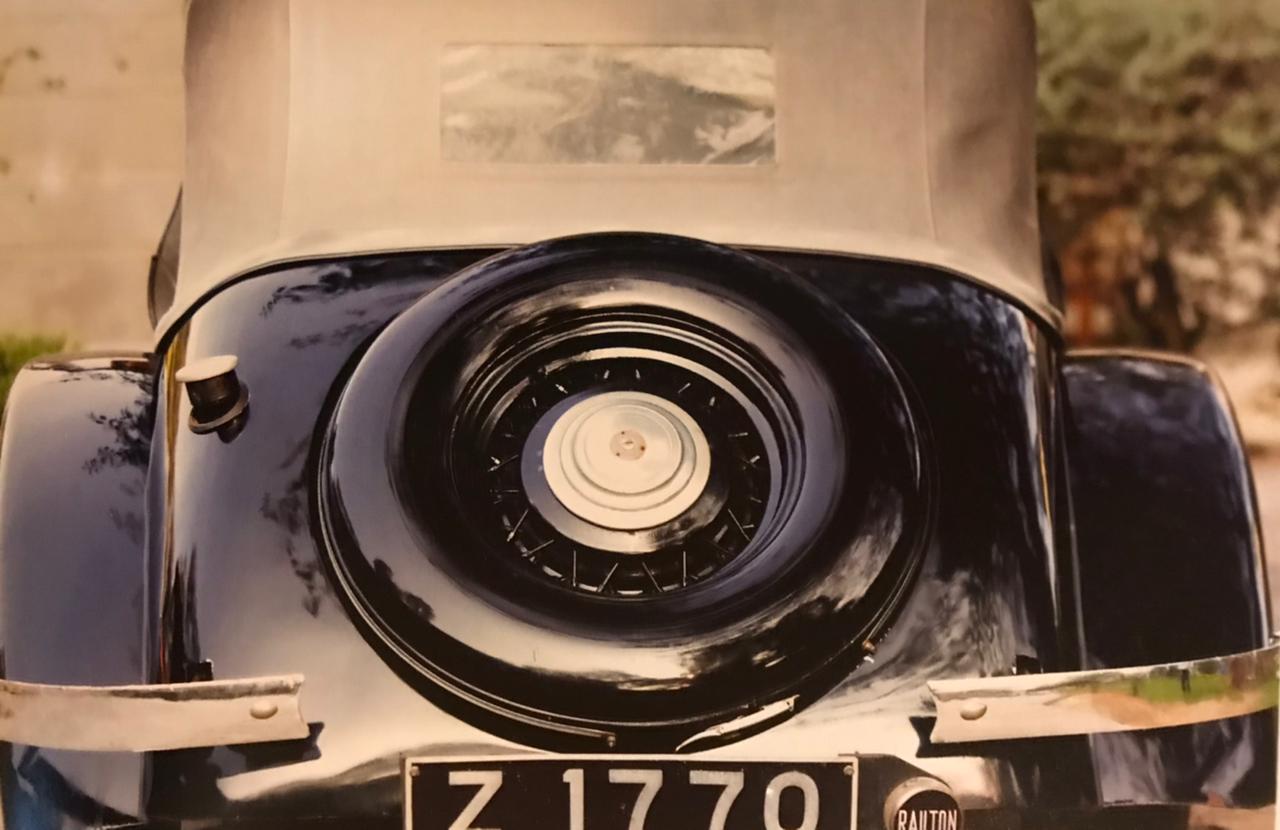
In 1933 Reid Railton took over the Invicta factory in Surrey, England. He was well known as a designer of cars for the World Land Speed Record. A principal client was John Cobb, who in his Napier-Railton with an aircraft engine reached a speed of 144mph at Brooklands. In 1947 it reached 394.2mph which stood as the world land speed record until 1963. Railton produced some fascinating cars during its brief existence. A Railton motorcar is a rarity anywhere in the world, given its brief production period between 1933 and 1940. The fact that a small island nation possesses such a specialist car is another insight into the rich heritage of automotive enthusiasts of Sri Lanka. The Straight Eight model here is the product of an Anglo-American effort combining an American Hudson engine and chassis with a lightweight British built body. With an impressive 0-60mph time of 9.5 seconds, the Railton was one of the fastest cars of its era and was used by the Scotland Yard Flying Squad. Its official documentation records that it bettered the Hispanos, Lagondas, Bentleys and Aston Martins of its time around the Brooklands circuit. The ownership of this car is equally fascinating. It has been owned by the same family for more than 75 years. The first owner, V.M. de Mel became enamoured of the car at the 1936 Earls Court Motor Show and proceeded to order one immediately, paying a sum of £553. He was an enthusiast to the core as evidenced by the immaculate records kept. He carried out the servicing himself and recorded in great detail the spare parts and tools ordered, some of which are still in use.