- Loading....
PRIOR TO 1902 , WHEN THE FIRST MOTORCAR ARRIVED IN CEYLON , carts drawn by elephants , horses and oxen travelled the island's roads . On long distance journeys , a gaman karatta wagon was used . This was driven by bulls and could accommodate up to ten people . Bakkis were used for short journeys such as the school run and household shopping , whilst hack eries were used for transporting one or two people . The arrival of a steam car in February 1902 signalled the beginning of a new era in Ceylon . The car , imported by E.G. Money who was attached to Bousteads Ltd , was an eight horsepower , single - cylinder steam driven locomobile . It was fitted with high tiller steering and two front seats , which were placed over a boiler and therefore it was quite hot for the occupants ! The main trouble with this model was the burner , which had to be specially con structed to burn kerosene instead of petrol . As long as steam was kept up and the burner was clean , the car could run at 20mph , which was considered extremely fast at the time . In May of the same year , E.G. Money and his friend H.J. Scott travelled to Nuwara Eliya in one and a half days , setting a new island record for this journey . They left Colombo at 4:30 am and reached Gampola at 4:00 pm . The next day , they set off from Gampola at 6:00 am and reached Pussellawa at 8:15 am . From here they proceeded to Nuwara Eliya . In 1885 , only seventeen years earlier , the German engine designer Karl Benz had invented the first automobile : the Benz Patent Motorwagen . The design featured a 4 - stroke engine with a very advanced coil ignition and evaporative cooling rather than a radiator . It would be responsible for a revolution far more dramatic than any political upheaval over the cen turies . This formidable creation would spawn new industries , stimulate mass employment , erode the class system and provide travel for those who had never travelled before .
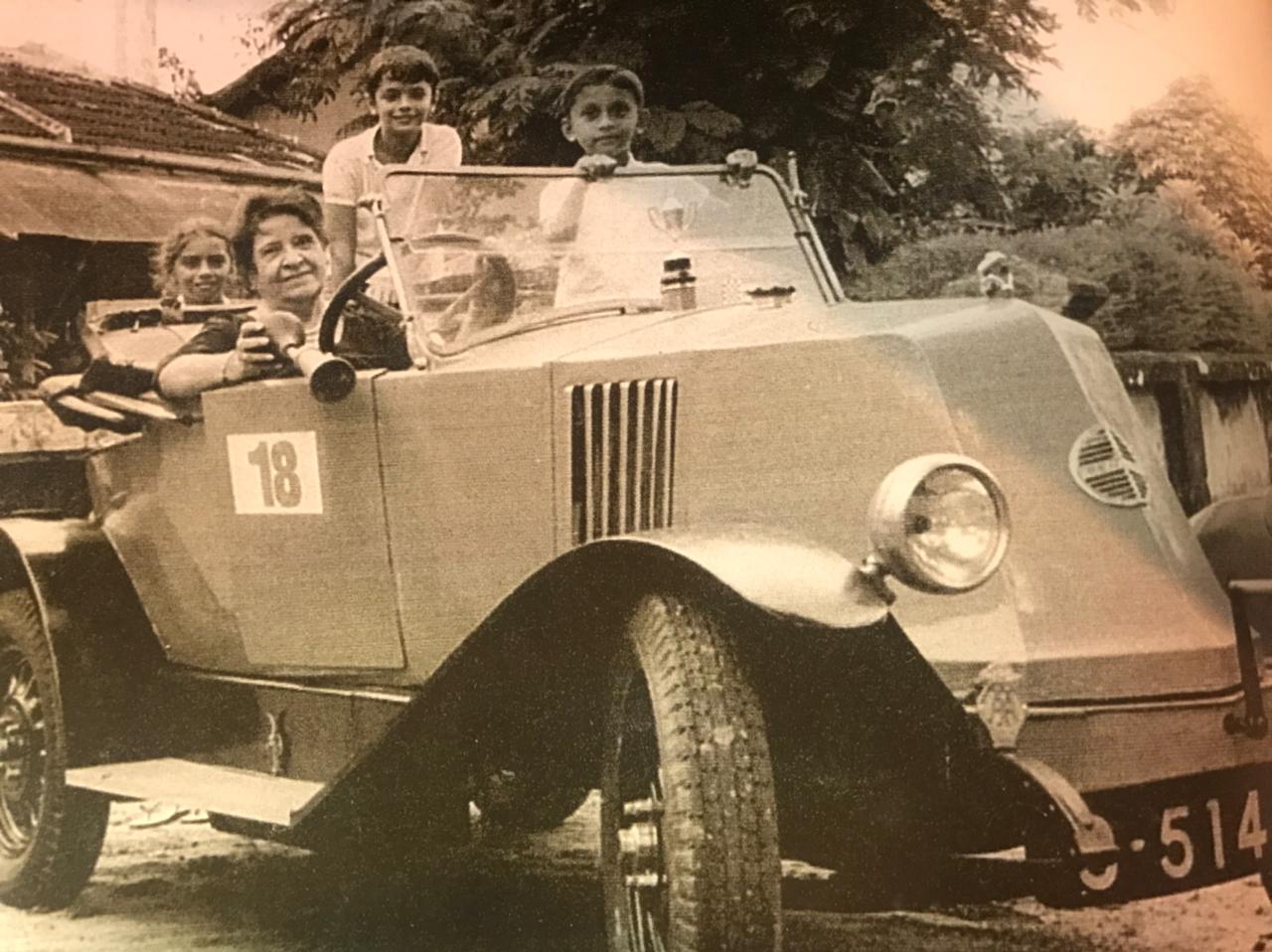

The Motorwagen patent was applied for on 29th January 1886 as the first ' Internal combus tion engine propelled vehicle : This was the beginning of the long history of the brand Mercedes - Benz and the start of motorised transport . However , the credit for mass production of motor cars should be given to the American , Henry Ford , who virtually put America and the world on wheels by mass producing more than 16 million Ford Model T automobiles , a record which was only surpassed by the Volkswagen Beetle much later . Henry Ford was the pioneer who introduced the production line method of motor manufacture . As a result of this he was able to substantially reduce the price of his product due to economies of mass production . Successful automobile manufacturers , including the world's largest automobile manufacturer , General Motors , subsequently followed this system of line production . This motoring revolution arrived into Ceylon in the early years of the twentieth century with E.G. Money and took off from there . One morning in 1902 , Colombo awoke to see four steam cars starting their run from Colombo to Bandarawela . They were ' Gardner Serpollet ' models , which were brought out by Stanley Green of Batticaloa . He had obtained a contract from the government to run a mail service from Bandarawela to Badulla . Stanley Green , like all other pioneers did his best to carry out the work he had undertaken , but he was heavily handicapped by the lack of infrastructure and after a most valiant attempt he decided to give up the contract and the cars were sent back to England . Mr. Cottrell of the Government Factory owned the second steam car and drove all over the country terrifying both people and animals . In those early days anyone was allowed to drive a car : a driving license , vehicle registration and insurance were not necessary . The drivers had to use their own initiative as they were driving on untarred roads and through parts of the coun try that had never seen such vehicles before . Then came the sensational news that a Mr. Cockeril had accomplished a journey from Colom bo to Batticaloa in just under ten days in a little steam car . This may seem of small account to the present day motorist but when one takes into consideration the number of times he would have had to clean out the burner and the fact that he had to rely on his own mechanical skill to make the necessary adjustments , it was a remarkable feat . It stands out as an adventure that few would care to undertake , bearing in mind that at that time he had no one to fall back on . The next ripple of excitement in Ceylon's motoring history was created by the arrival of the first motorcycle on 201 " of January 1903. It was brought by Mr. C. Hahn of Messrs . Bohringer & Co.
On 21 January 1903 The Observer carried this story : He was seen yesterday " cycling about Colombo in the new machine which is not very different from the ordinary " bike " beyond the slight noise by the apparatus and the comfort word ease of function while on the machine . These early motorcycles were belt - driven from the engine to the rear wheel and had only one speed . To start the cycle , pedals were used . These pedals proved to be very useful by assisting the engine on an incline . Fred Nell , the founder of Colonial Motors , undertook the first motorcycle ride to Kandy and back in a day , which was a great achievement . By the end of 1904 motoring was well established in the country . On 12th of November of that year , the Automobile Association ( AA ) of Ceylon was inaugurated in Kandy with a membership of 100. In 1905 the first petrol driven vehicle arrived on the island . This was a five horsepower Oldsmobile , probably with a tiller steering . As soon as the car was off - loaded , it was driven from the port to Mount Lavinia by Cecil Gnapp , the Manager of the Cycle Department of Walkers . With him was W.G. Edema who later drove Prince Leopold of Austria and Sir Thomas Lipton in England . In his elder years , Mr. Edema became a Director of Colonial Motors . Incidentally , D.R. Marchal of the National Bank owned the first wheel - steering Oldsmobile car . This car was priced at a mere Rs.3500 / - . The first Ceylonese to own and drive a motor car was E.L.F. de Soysa of Moratuwa who purchased a black and blue one - cylinder Oldsmobile . His wife was also a pioneer , being the first female driver in the country . ( See Page 95 ) Many years later in an interview with The Ceylon Observer Mr. de Soysa said : It was tremendous . Crowds lined the road watching what they called the mechanical animal puffing along the road . My greatest difficulty whilst driving was the dogs . There were packs of them , so I had to take a gun and shoot over them to frighten them away . When asked about driving he replied : " I always like to say there were just as many careless drivers then as there are today - only the bulls had more sense ! By 1914 there were many different makes of cars and motorcycles in Ceylon . Most of the cars were of low horsepower . It was quite common for a 2 - cylinder car to have a full five - seater body , doing 25 miles to the gallon , and getting up to a comfortable 25 miles per hour .
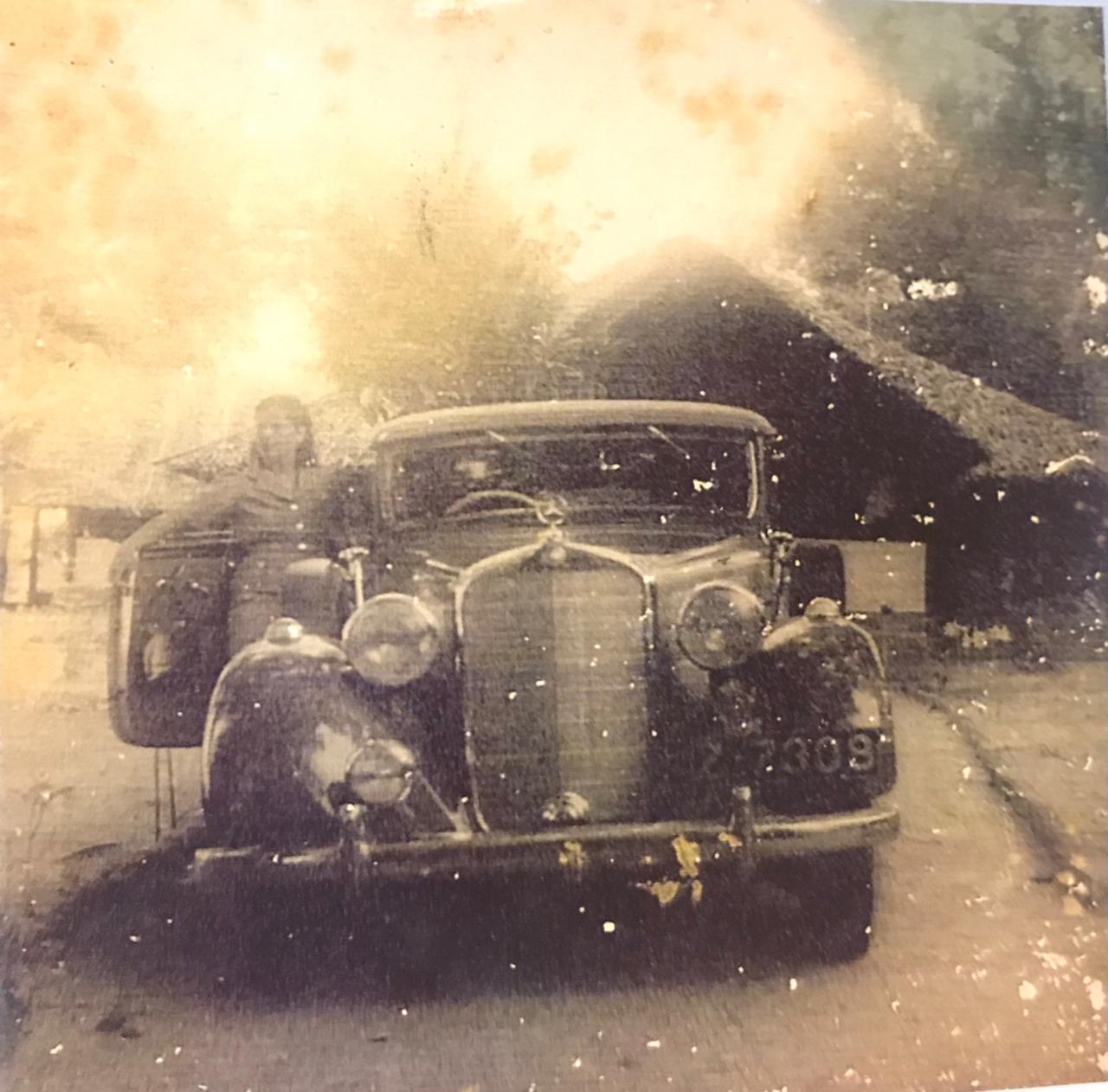
At this speed all passengers were thrilled and keyed up . This is what the late Louis Seidle , the pioneer ing motorist had to say of the early days : The difficulties of the early motorist in Ceylon can be well imagined . The roads were rough and very severe on tyres . There were no petrol depots so that whenever possible petrol in gas - tight drums would be sent by train to accessible points to meet the motorist . There were no repair shops out of Colombo so that the motorist had to use his own knowledge and resourcefulness . There were no road signs . In fact , there was nothing to help the motorist beyond his own intel ligence and common sense . There was however , road courtesy , something that is lacking today . The Ceylon Motor Sports Club was founded in 1934 and the inaugural meeting was held on 4 " of September at the Grand Hotel in Nuwara Eliya . Two weeks later the club held its first hill climb at Mahagastota ; later on many more hill climb venues were added , mainly on planta tion roads such as St. James ' in Badulla , Karudupona in Kegalle , and Bogala in Kurunegala . Circuit racing was organised on the airstrips in Ratmalana and Katukurunda and road racing in Kurunegala , Kandy , Colombo etc. and were keenly contested . During the twenties , thirties and forties Austins , Fords , Morrises and Standards were imported in large numbers and cars became a popular form of private transport . Importers included Mann Little & Co. , Eastern Garages , Walkers , Pierce Leslie & Company , Lover Bros. , and C.M. Wright & Co. , Many of the motor showrooms including the Ceylon Motor Supply and Agency Company were located along the stretch of Galle Road that runs from Kollupitiya Junction to the Galle Face Hotel The 1950s were the golden decade of motoring in Ceylon , like Cuba before the revolution . There were no import restrictions and around 10,000 cars a year were imported to the island . It was a time when owners changed models frequently and car salesmen were doing a roaring trade . Morris Minors , Volkswagens and Austin A40s were affordable models whilst those on a higher income level had Opels , Austin Cambridges , Morris Oxfords and Simcas . of the more expensive marques owned by the prominent personalities of Independent Ceylon were the notable 1 - Shri - 1 Cadillac belonging to Prime Minister Sir John Kotelawala , the Cadillac Convertible used by Prime Minister S.W.R.D. Bandaranaike , and the Rolls - Royces ' used by the Governor General Sir Oliver Goonatilake and Geoffrey Bawa , the world renowned architect . The impressive collection of American cars owned and used by Earle Arnolda of Bob by Arnolda Travel Services - the pioneering car - rental company , is also worthy of appreciation